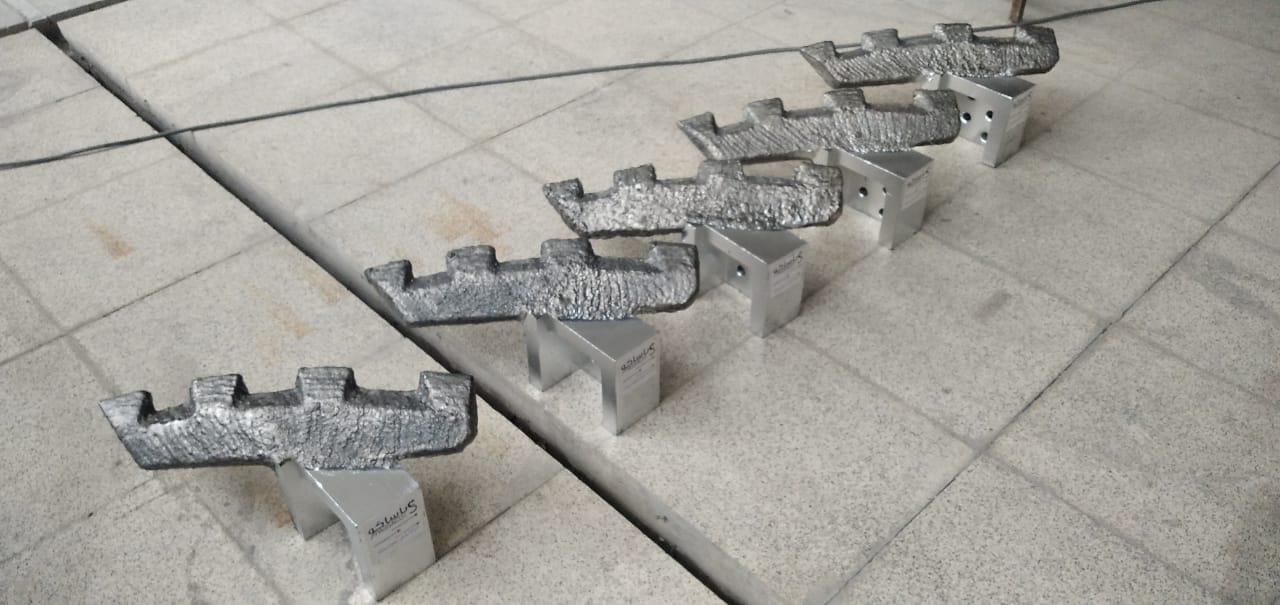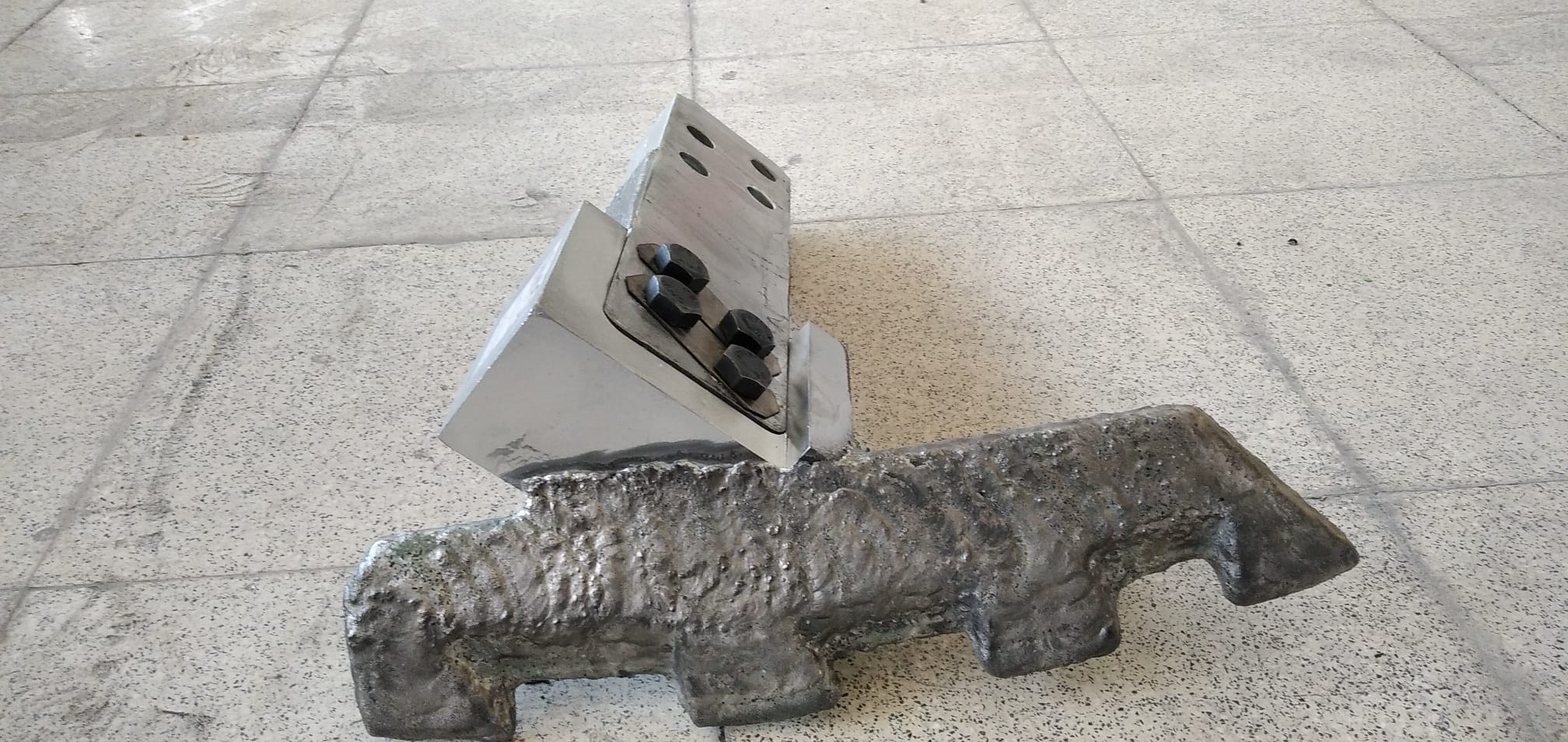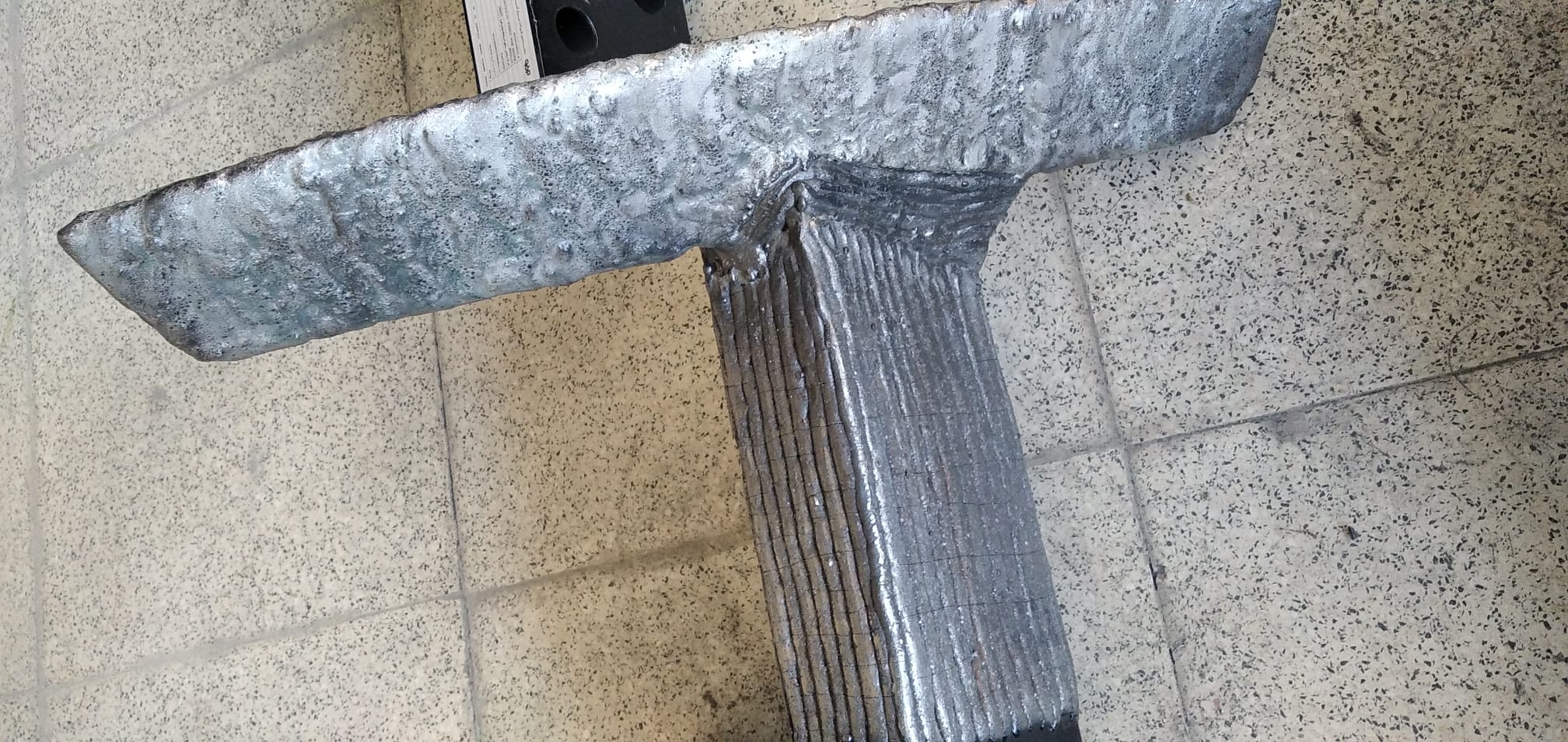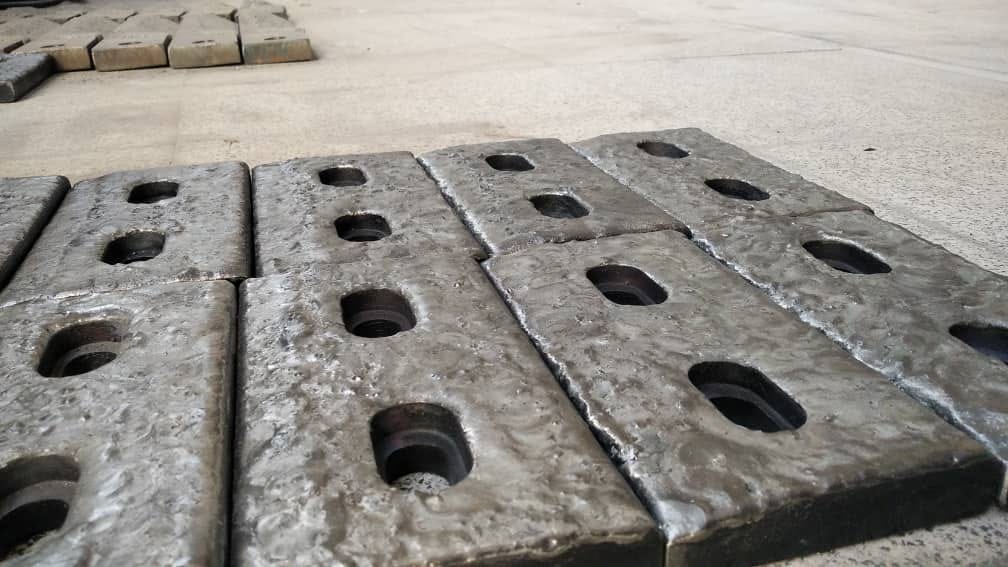
Tungsten Carbide Cladding Solution
IntegriClad™
Tungsten Carbide Cladding Solution
Advanced Wear Protection for Severe Abrasion, Erosion & Impact
IntegriMat provides advanced tungsten carbide cladding solutions for components operating under severe abrasion, erosion and combined wear conditions.
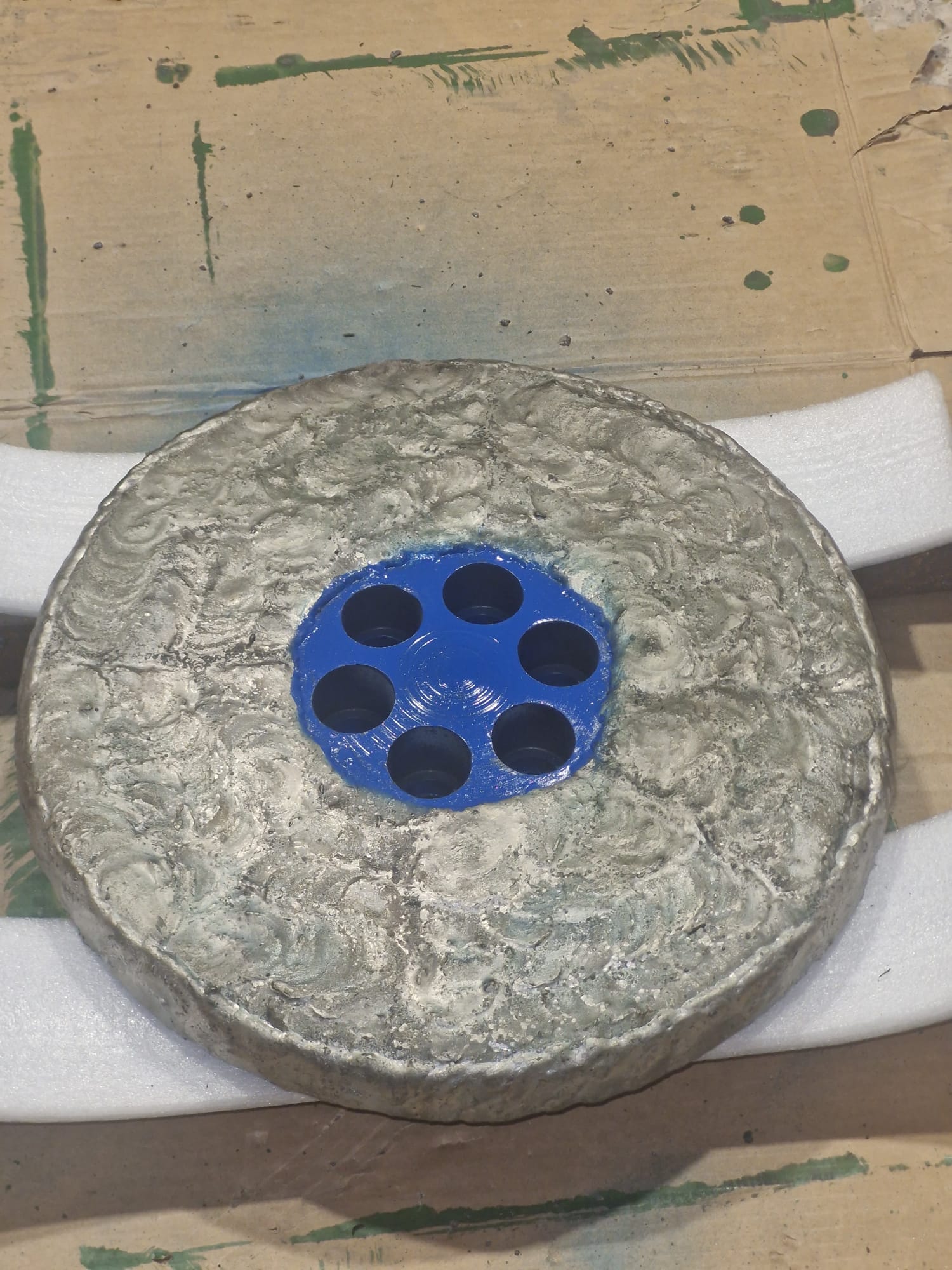
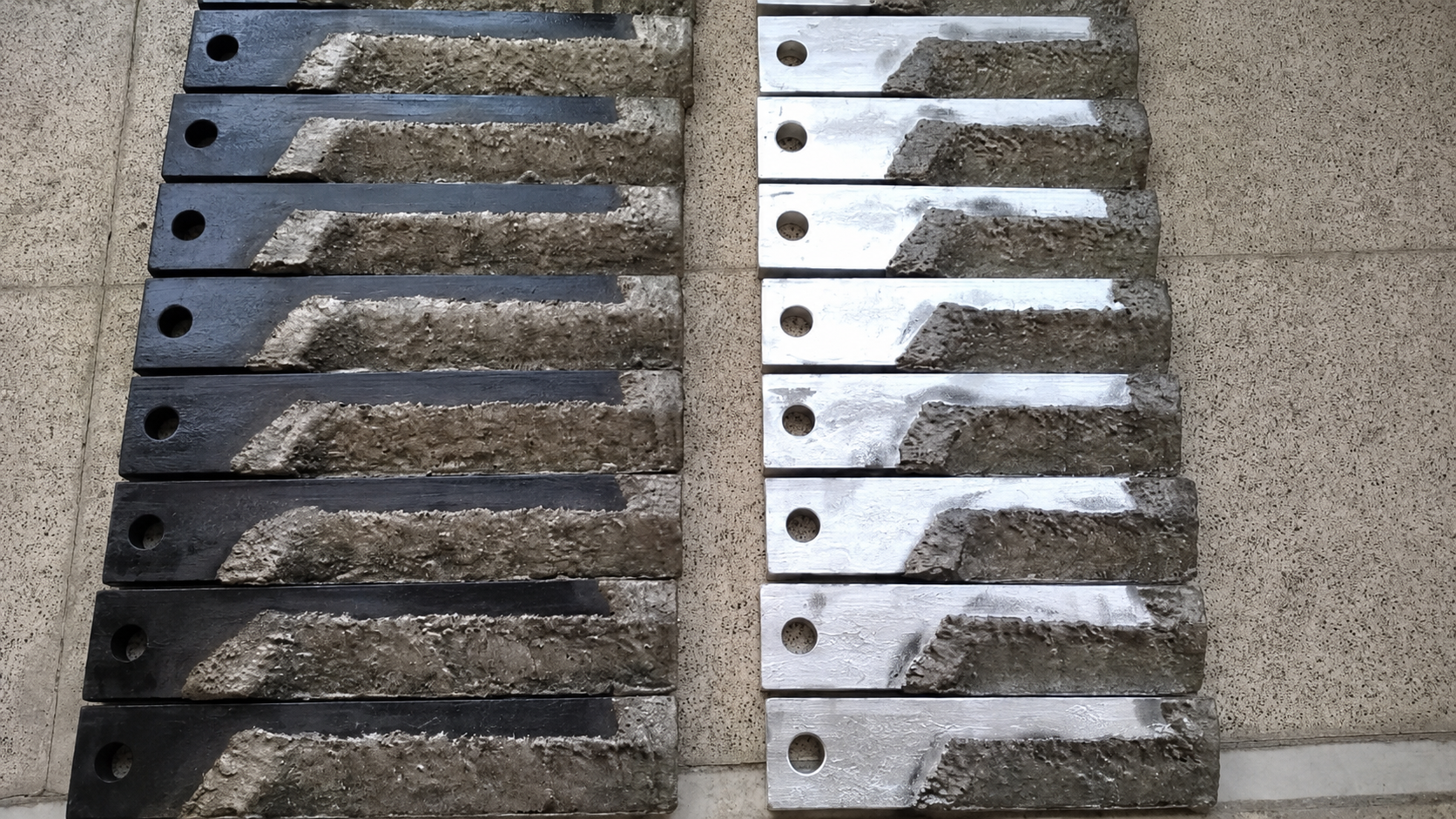
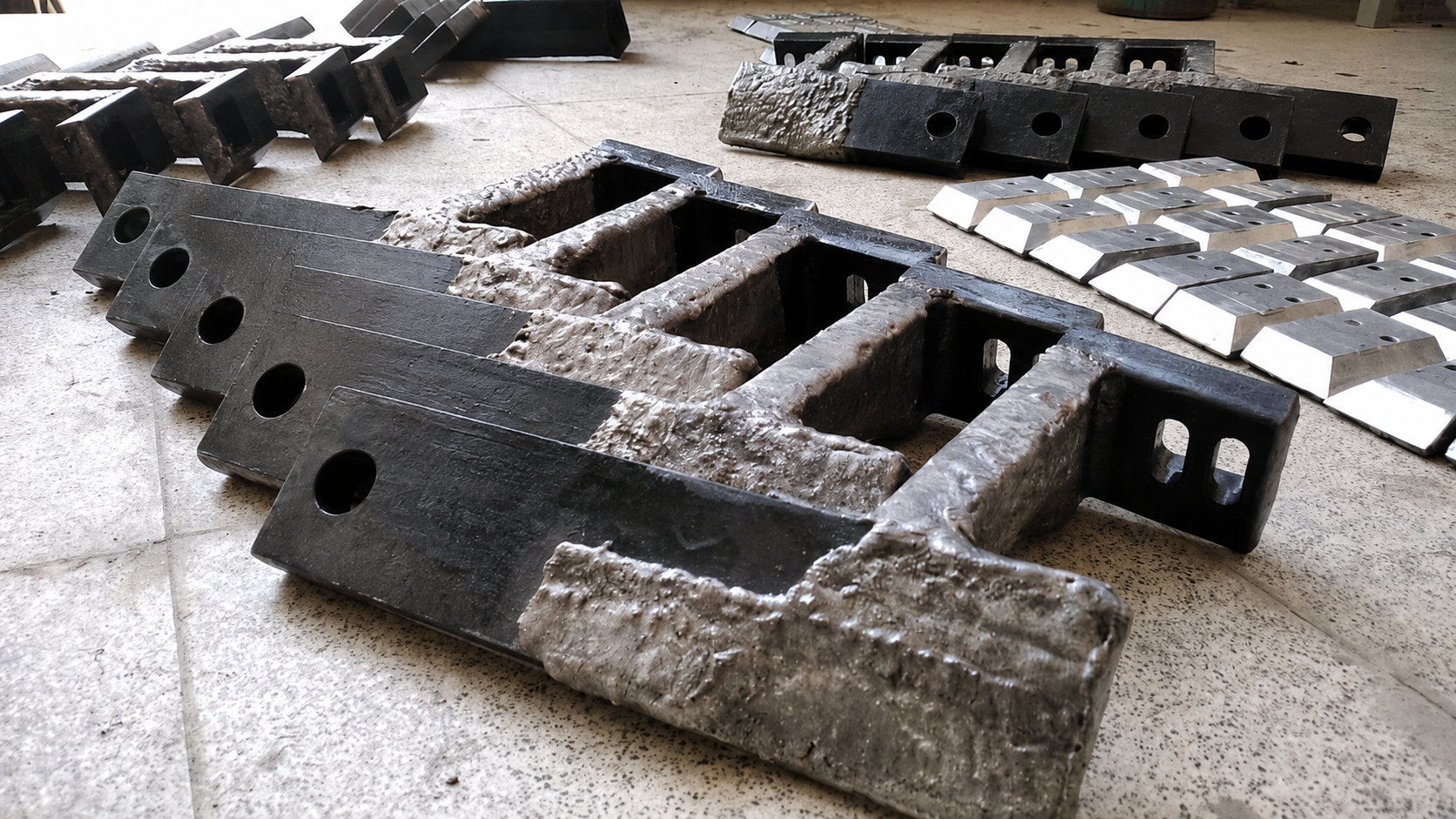
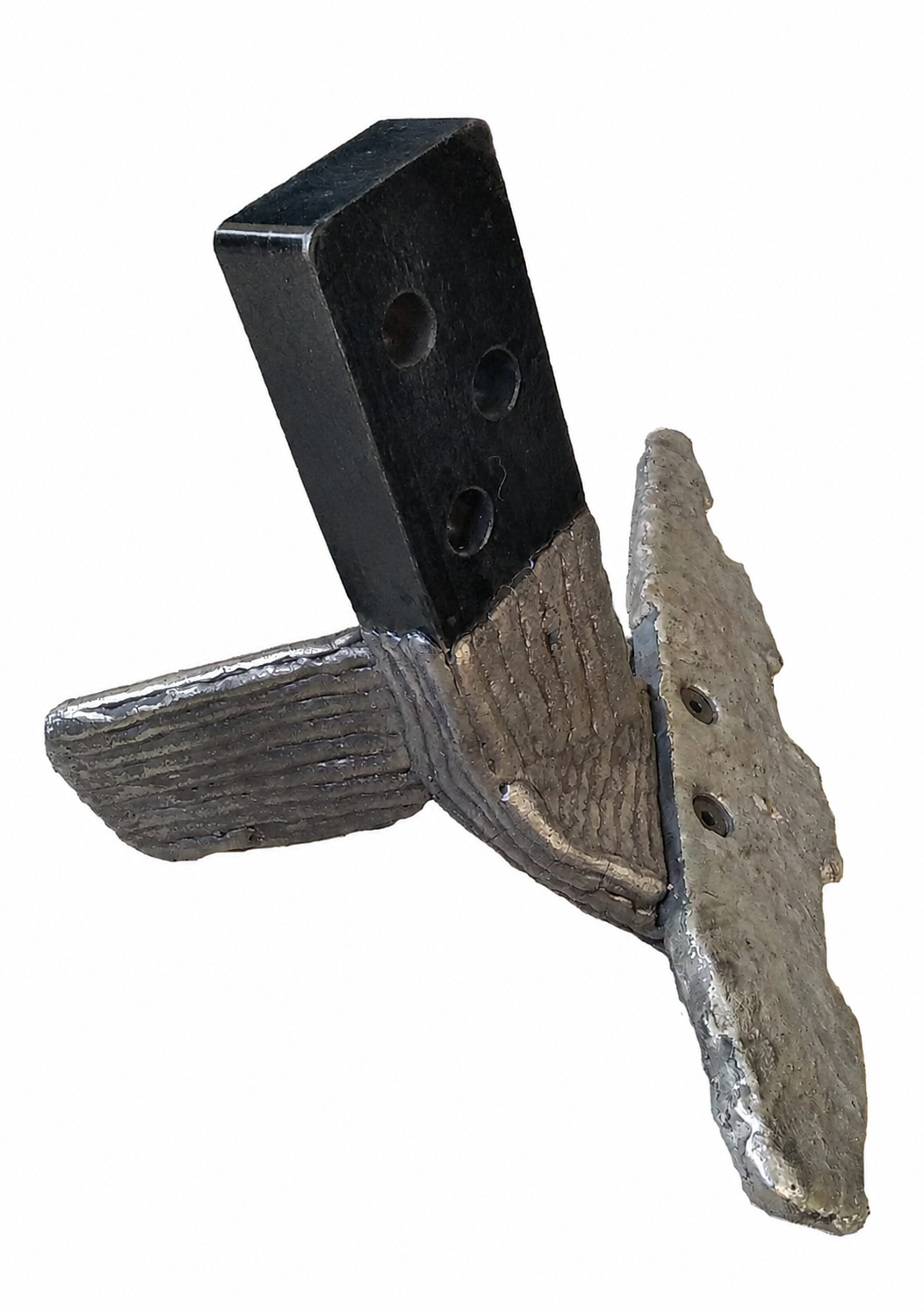
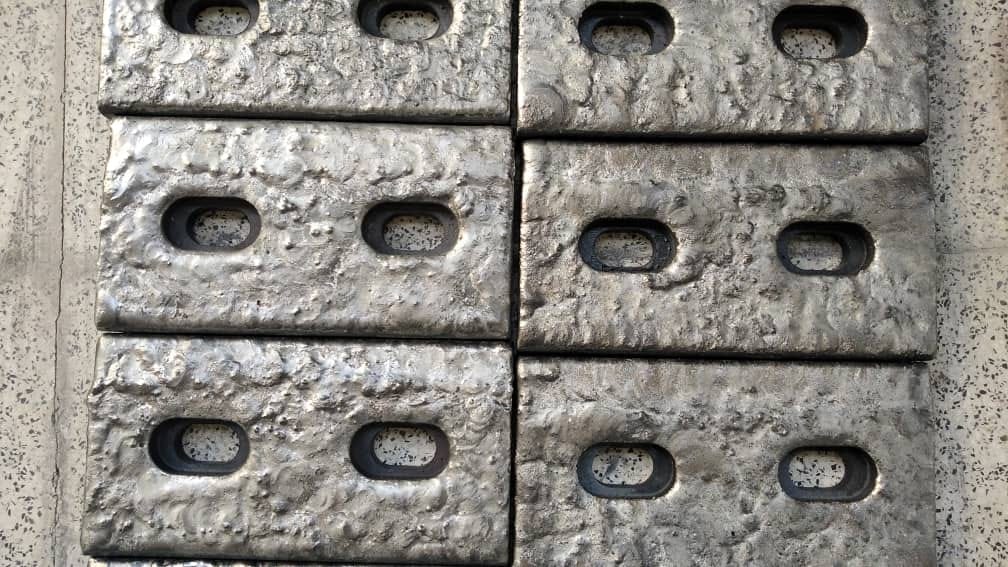
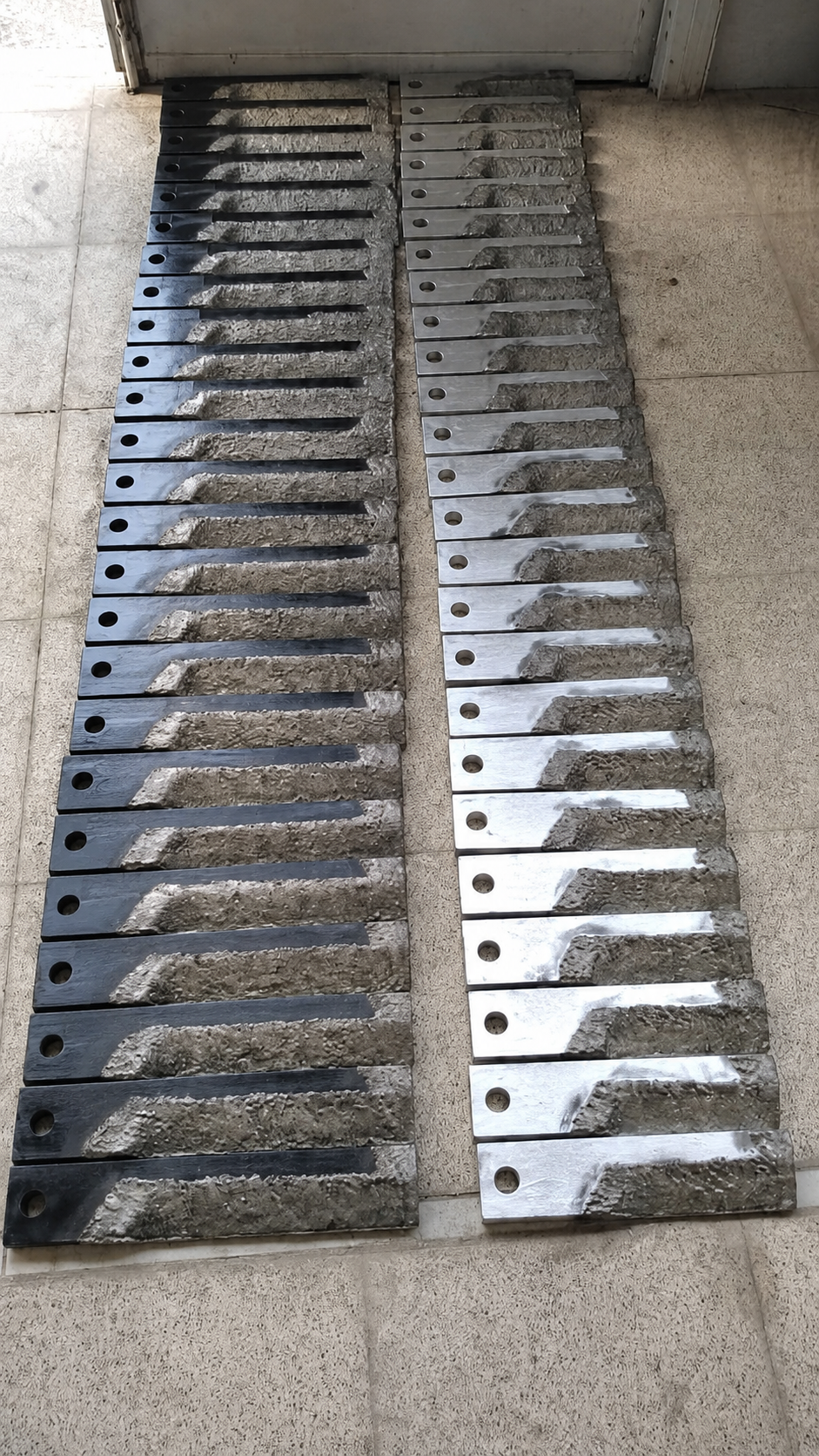
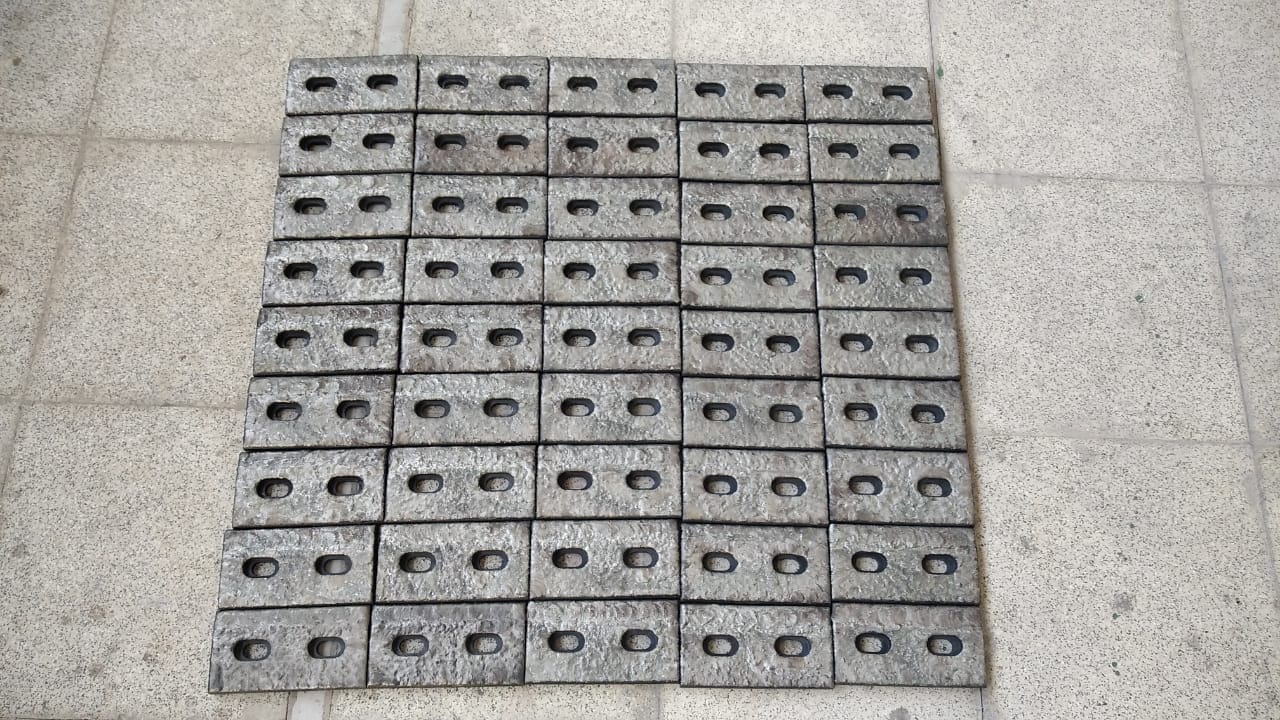
Using IntegriClad™ tungsten carbide welding rope, a dense carbide-reinforced layer is applied to critical wear surfaces to protect both new and existing components. The flexible rope format makes the process particularly suitable for complex geometries, localized wear zones, edges, curved surfaces and components that cannot be effectively protected using conventional wear plates.
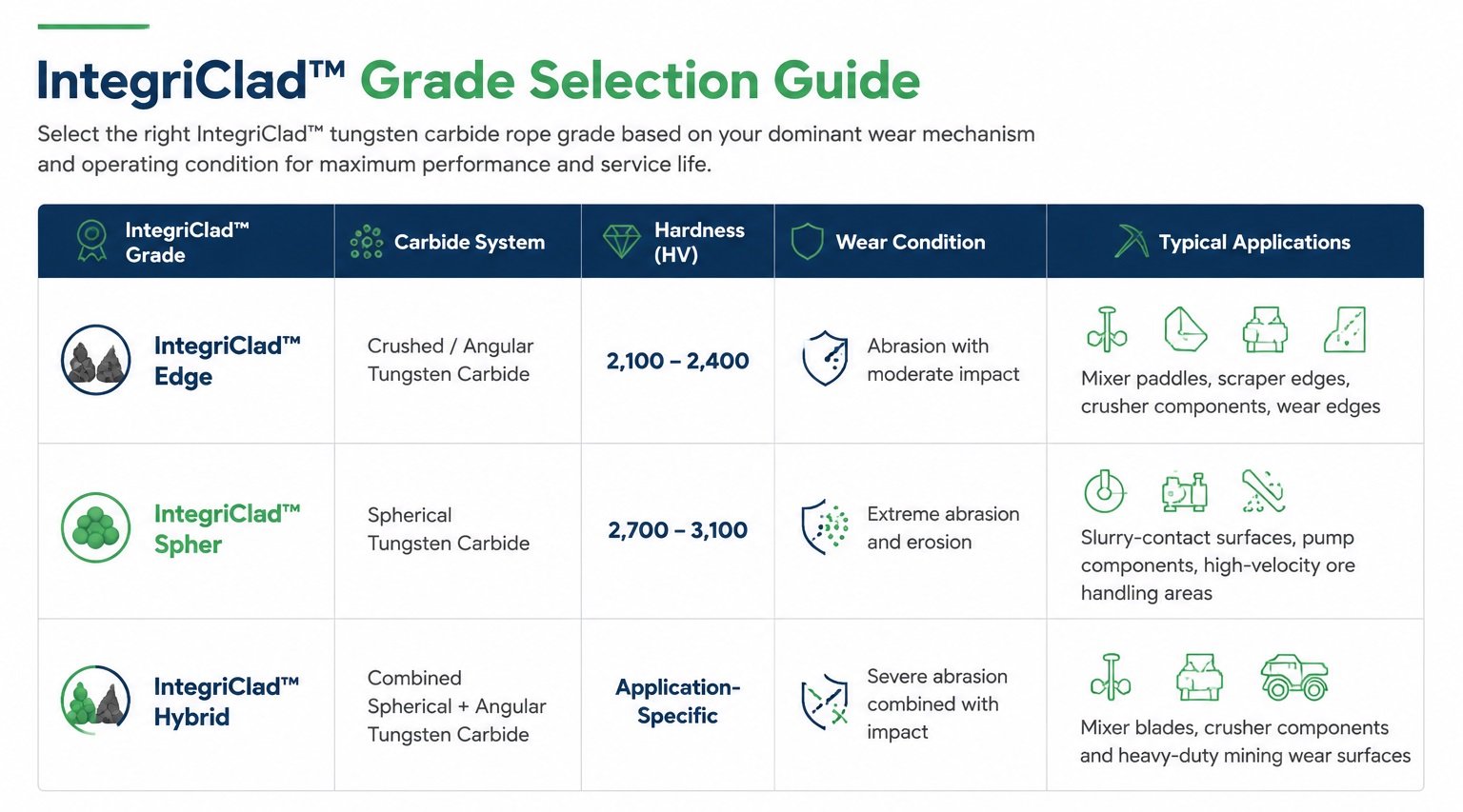
IntegriClad™ solutions are available with crushed/angular, spherical and hybrid tungsten carbide systems, allowing the carbide morphology to be selected according to the dominant wear mechanism and operating environment.
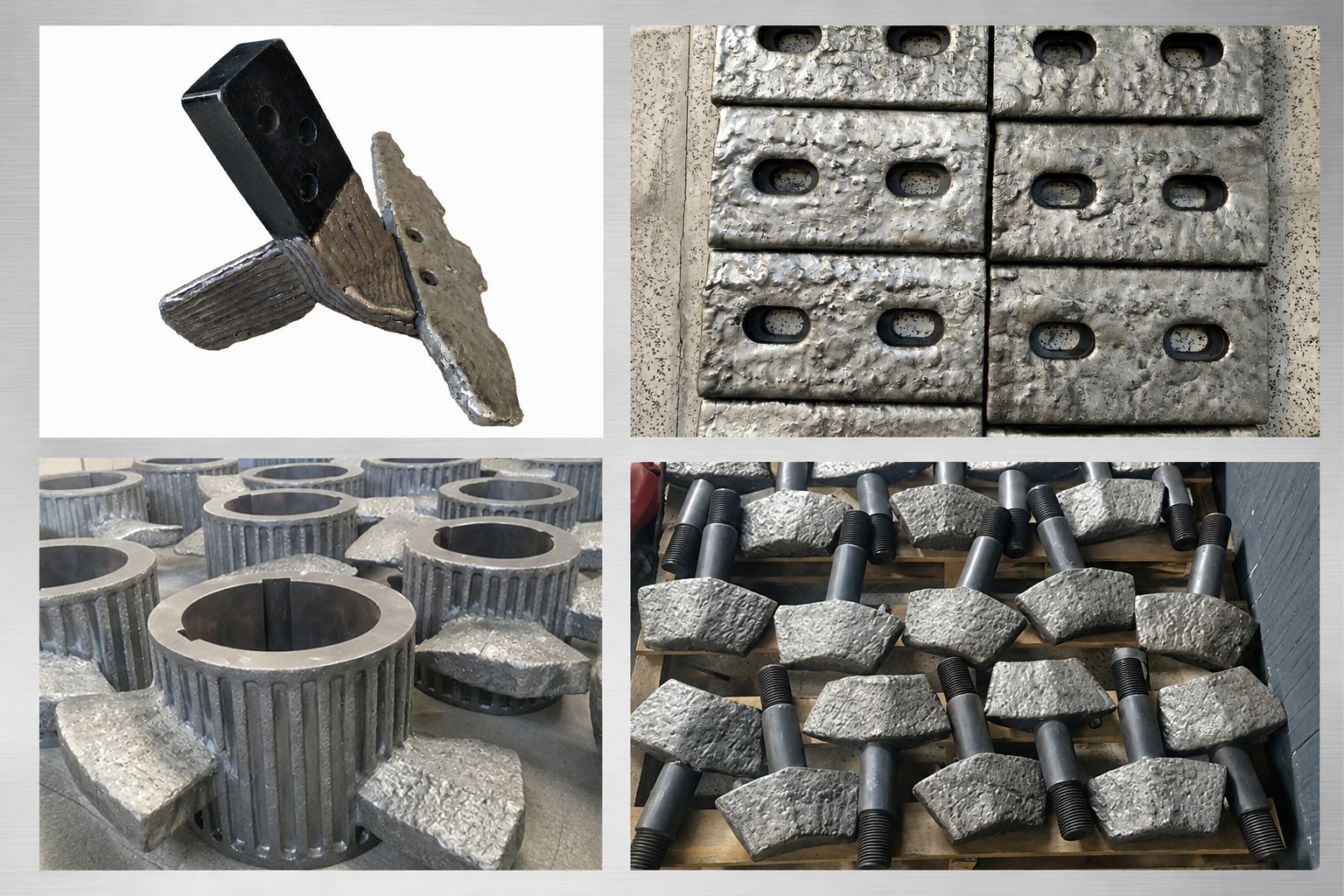
Key Benefits
- Exceptional resistance to severe abrasion and erosion
- Localized protection of critical wear areas
- Suitable for complex and irregular component geometries
- Controlled build-up to achieve application-specific wear protection thickness
- Repair and refurbishment of worn components
- Reduced component replacement frequency
- Extended service life and reduced maintenance downtime
- Application-specific carbide selection
IntegriClad™ Grade Selection Guide
Selecting the appropriate carbide system is critical because different components experience different combinations of abrasion, erosion and impact. IntegriClad™ is available with crushed/angular, spherical and hybrid tungsten carbide systems — see the grade selection guide below.
Industries & Typical Components
Mining & Mineral Processing
Mining and mineral-processing equipment is continuously exposed to abrasive ore, rock, mineral particles and impact. IntegriClad™ can be applied selectively to high-wear areas without replacing the complete component.
Typical components include:
- Crusher components
- Crusher hammers and wear areas
- Drill bits
- Mining drill stabilizers
- Ground-engaging tools
- Bucket teeth
- Bucket-wheel teeth
- Excavator teeth
- Dredge cutter components
- Wear pads
- Scraper blades and edges
- Conveyor screws
- Feed screws
- Auger flights
- Hoppers and discharge components
- Mixer blades and paddles
- Slurry-handling wear components
Oil & Gas and Drilling
Drilling and downhole equipment can experience severe combinations of abrasion, erosion and contact wear. Tungsten carbide cladding provides localized protection of critical surfaces while retaining the geometry and functionality of the underlying component.
Typical components include:
- Drill stabilizers
- Non-magnetic stabilizers
- Drill bits and drilling tools
- Downhole tools
- Wear pads
- Bearing surfaces
- Mandrels
- Rotary-steerable components
- Pump components
- Plungers
- Frac components
- Coil-tubing wear components
Tunneling & Underground Excavation
Tunnel boring and underground excavation equipment encounters highly abrasive rock and soil under continuous mechanical loading.
Typical components include:
- TBM conveyor screws
- Extraction screws
- Screw flights
- Cutter-head wear area
- Wear pads
- Excavation tools
- Blades and teeth
- Other localized high-wear components
Mixing & Material Processing Equipment
Mixers processing mineral concentrates, concrete, abrasive slurries, sand and other particulate materials are particularly suitable for localized tungsten carbide cladding. The cladding can be concentrated on the leading edge and other high-wear zones rather than covering the entire component.
Typical components include:
- Mixer blades
- Mixer paddles
- Mixing arms
- Propellers
- Scraper blades
- Scraper edges
- Agitator components
- Pug-mill paddles
- Wet-mixer paddles
- Mixing screws
- High-wear leading edges
Brick, Tile & Ceramic Manufacturing
Highly abrasive clay, chamotte and ceramic raw materials create severe sliding wear in forming, mixing and material-preparation equipment.
Typical components include:
- Auger blades
- Extruder screws
- Pug-mill paddles
- Mixer paddles
- Propellers
- Mill-roll scrapers
- Filter-mixer scrapers
- Extruder screens
- Die cores
- Die combs
- Crusher plates
- Kibbler-roll teeth
- Bucket teeth
Foundry & Sand Processing
Sand preparation and reclamation systems contain highly abrasive silica and molding materials that can rapidly wear conventional steel components.
Typical components include:
- Sand mixer blades
- Mixer knives
- Mixer paddles
- Sand conveying paddles
- Scrapers
- Cutter blades
- Feeder components
- Corner pieces
- Mold drills
- Sand-processing wear components
Steel & Metal Processing
Wear occurs throughout steel production and metal-processing equipment through abrasion, sliding contact, scale and material movement.
Typical components include:
- Guide components
- Wear plates
- Material guides
- Scraper components
- Fan wear areas
- Handling-system wear components
- Localized high-wear surfaces
Construction & Earthmoving
Construction and earthmoving tools experience severe abrasive contact with soil, sand, aggregate and rock.
Typical components include:
- Excavator bucket teeth
- Loader bucket teeth
- Ground-engaging tools
- Cutting edges
- Scraper edges
- Trencher components
- Augers
- Excavation blades
- Crusher components
- Road-construction wear components
Dredging & Slurry Handling
Continuous contact with sand, gravel and mineral-rich slurry can produce a combination of severe abrasion and erosion.
Typical components include:
- Dredge cutter teeth
- Cutter-head components
- Pump wear components
- Pump and impeller wear areas suitable for localized hardfacing
- Scrapers
- Slurry-handling components
- Suction-system wear areas
- Agitator components
Agriculture
Soil-engaging agricultural components can experience rapid abrasive wear, particularly in sandy and mineral-rich soils.
Typical components include:
- Tillage tools
- Cultivator points
- Plough components
- Soil-engaging blades
- Augers
- Feed screws
- Scraper components
- Wear edges
Recycling & Waste Processing
Recycling and waste-processing equipment encounters abrasive particles, contaminants and mixed feed materials that cause accelerated wear.
Typical components include:
- Shredder wear components
- Crusher components
- Scraper blades
- Conveyor screws
- Feed screws
- Mixer blades
- Material-handling components
- Wear edges
From Drawing to Finished Wear Component
IntegriMat supports both new component manufacturing and wear-component refurbishment. Customers can provide a drawing, dimensions, photographs or an existing component for review. Based on the operating conditions and dominant wear mechanism, we can support component manufacturing, IntegriClad™ grade selection, cladding configuration and finished-part supply.