Tungsten Carbide Parts
Tungsten Carbide Parts
Supply & Engineering Solutions
IntegriMat Inc. supplies high-performance tungsten carbide components for industrial applications worldwide, supporting customers with reliable sourcing, technical selection, and application-based engineering support.
Our focus is not only supplying parts, but also helping customers select the right solution for wear, abrasion, corrosion, and high-load conditions to maximize equipment life and reduce downtime.

Tungsten Carbide Parts We Supply
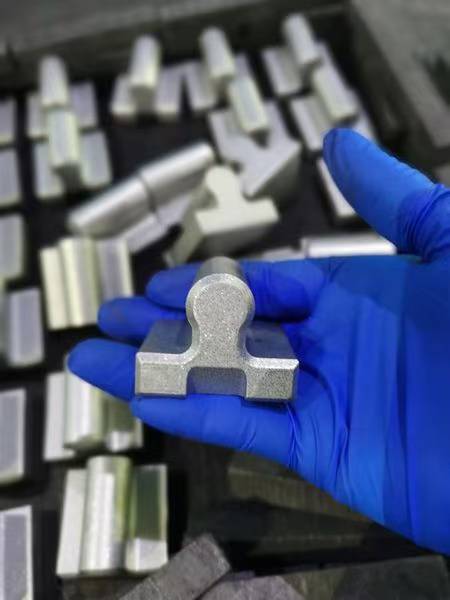
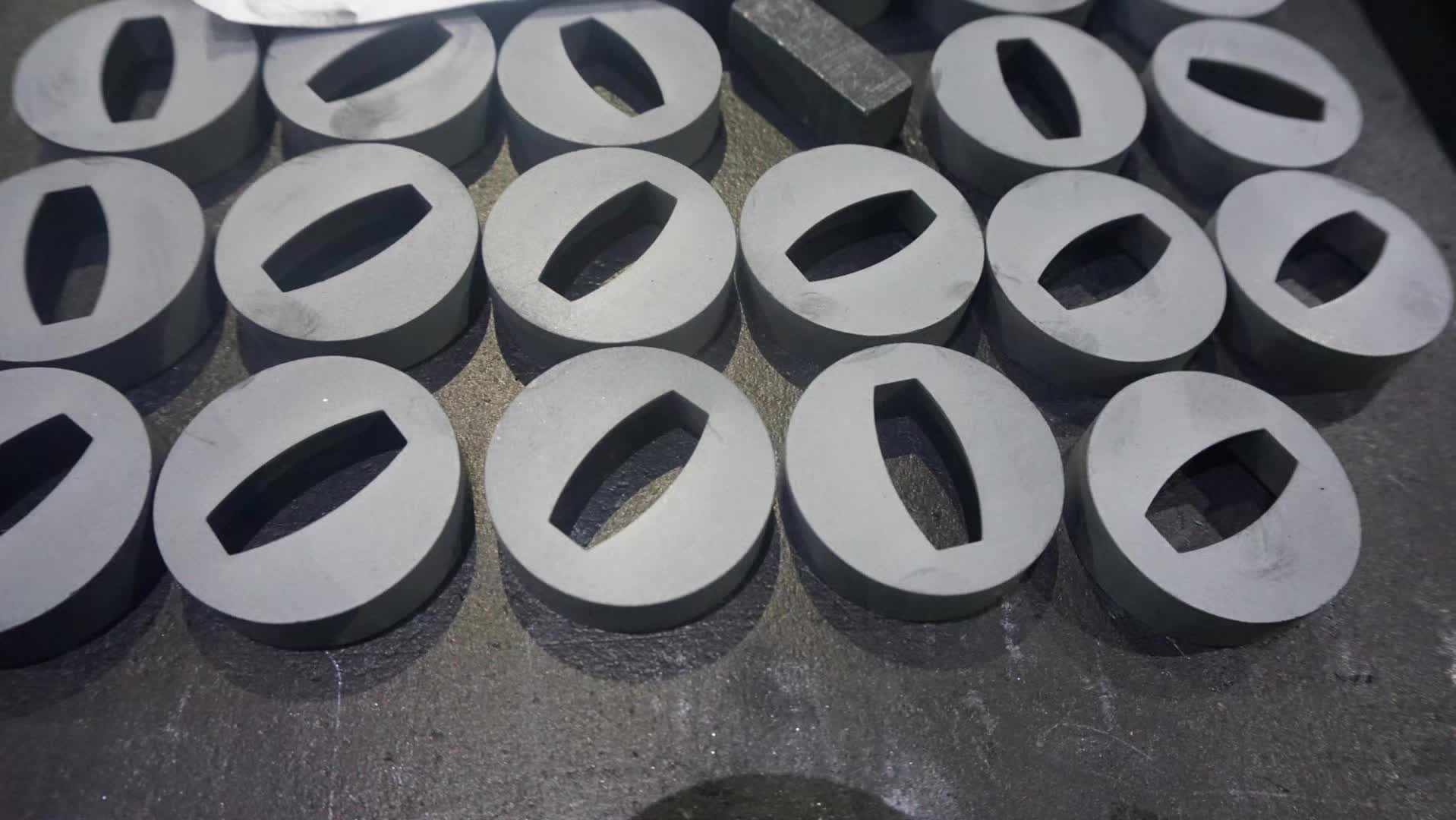
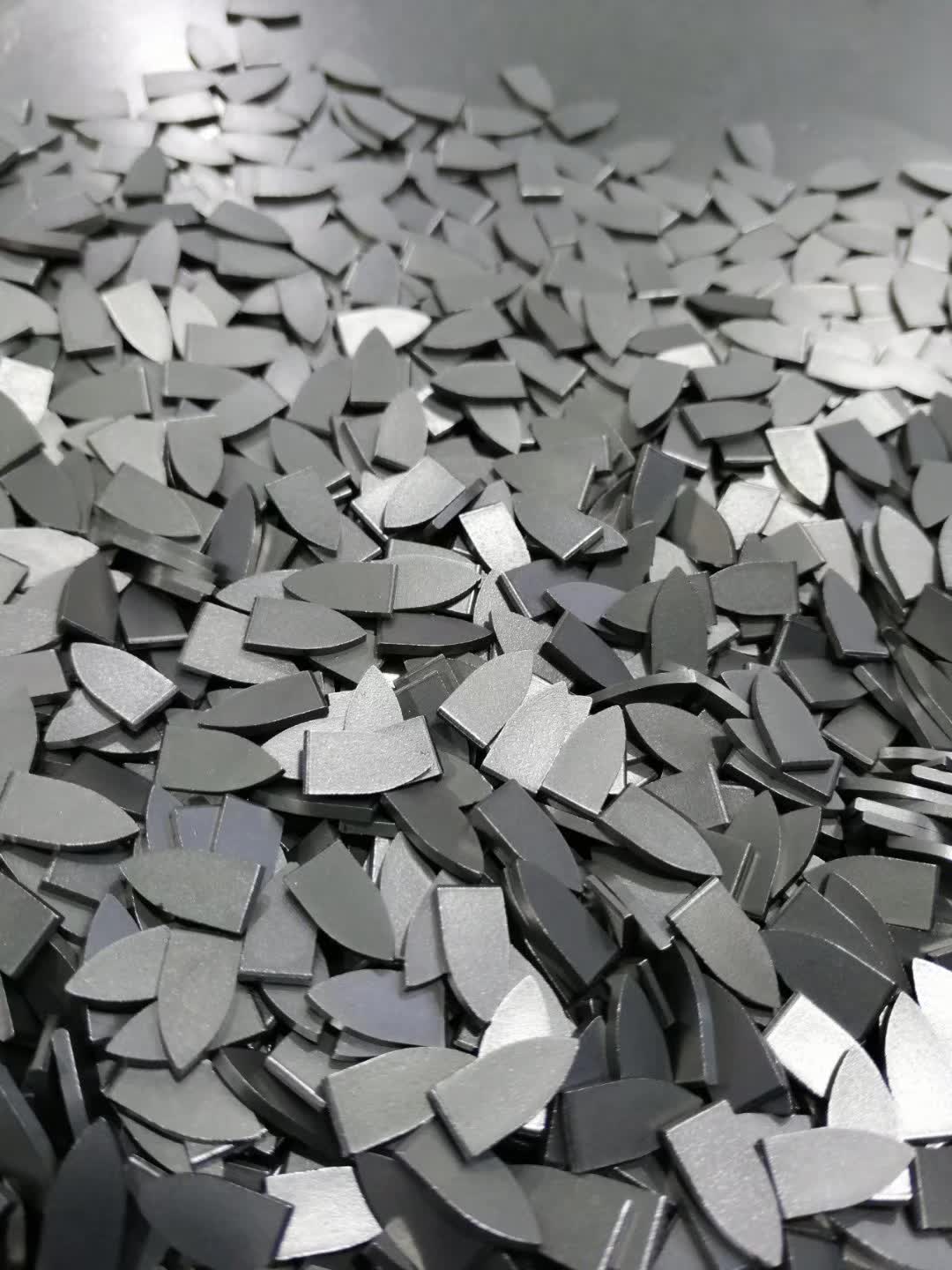
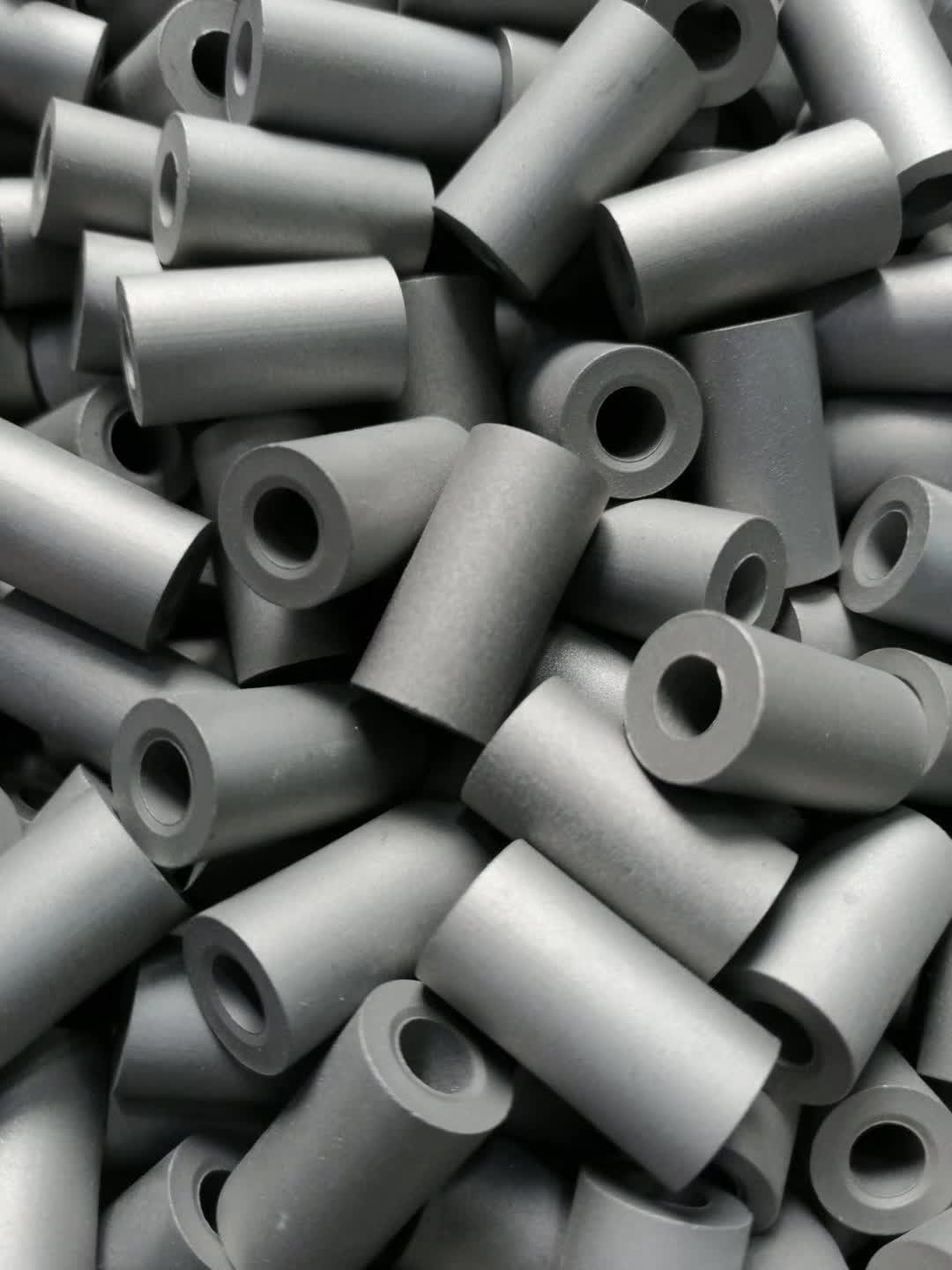
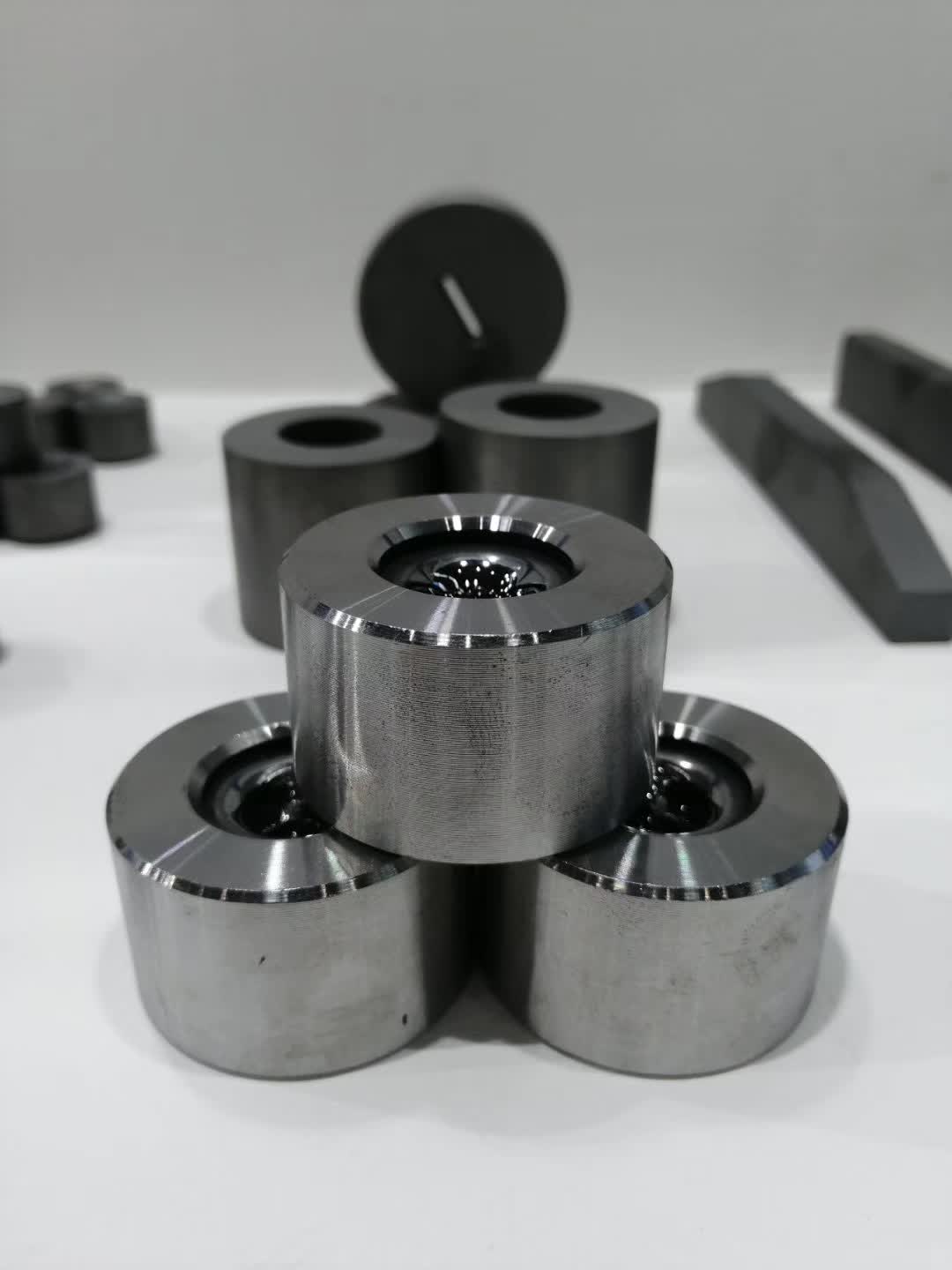
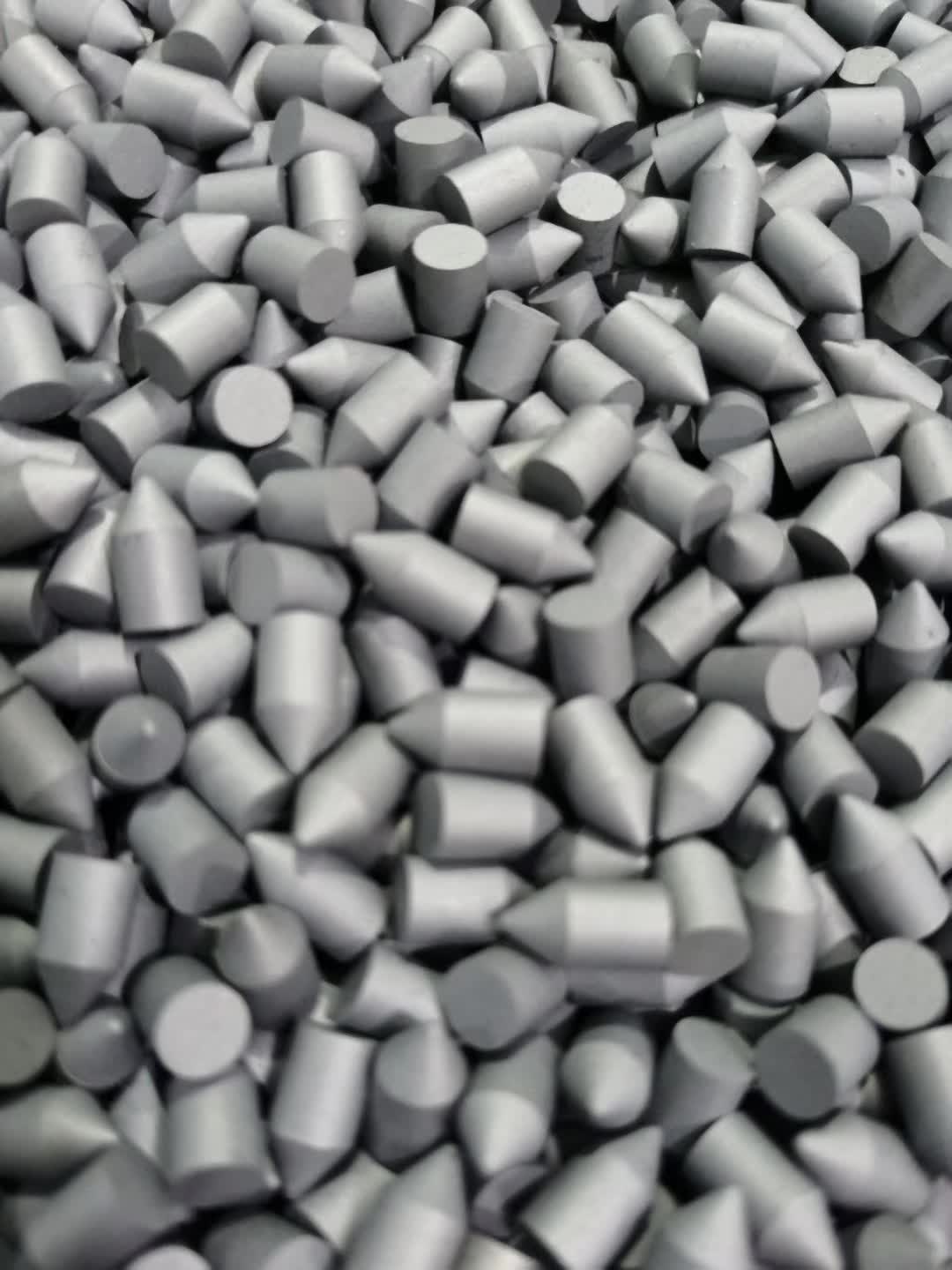
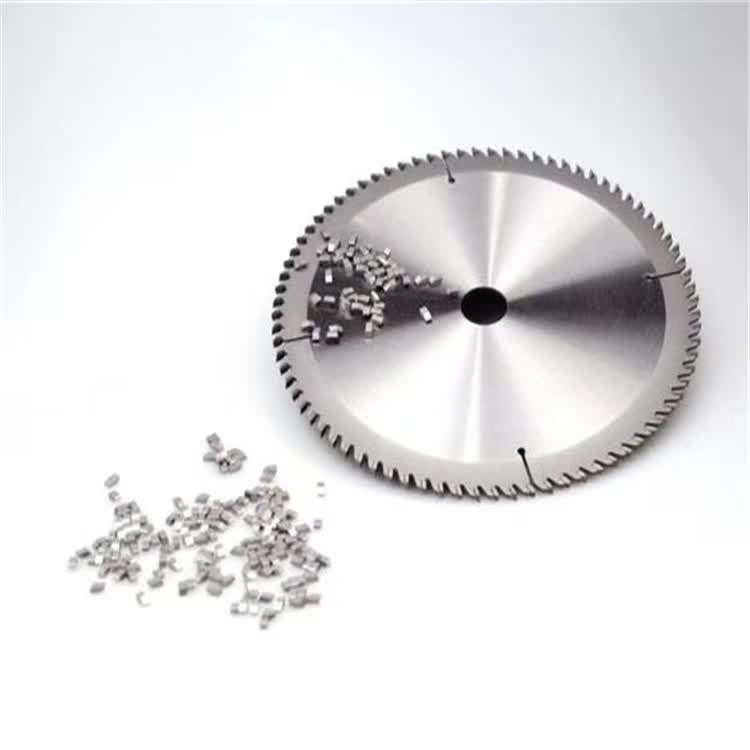
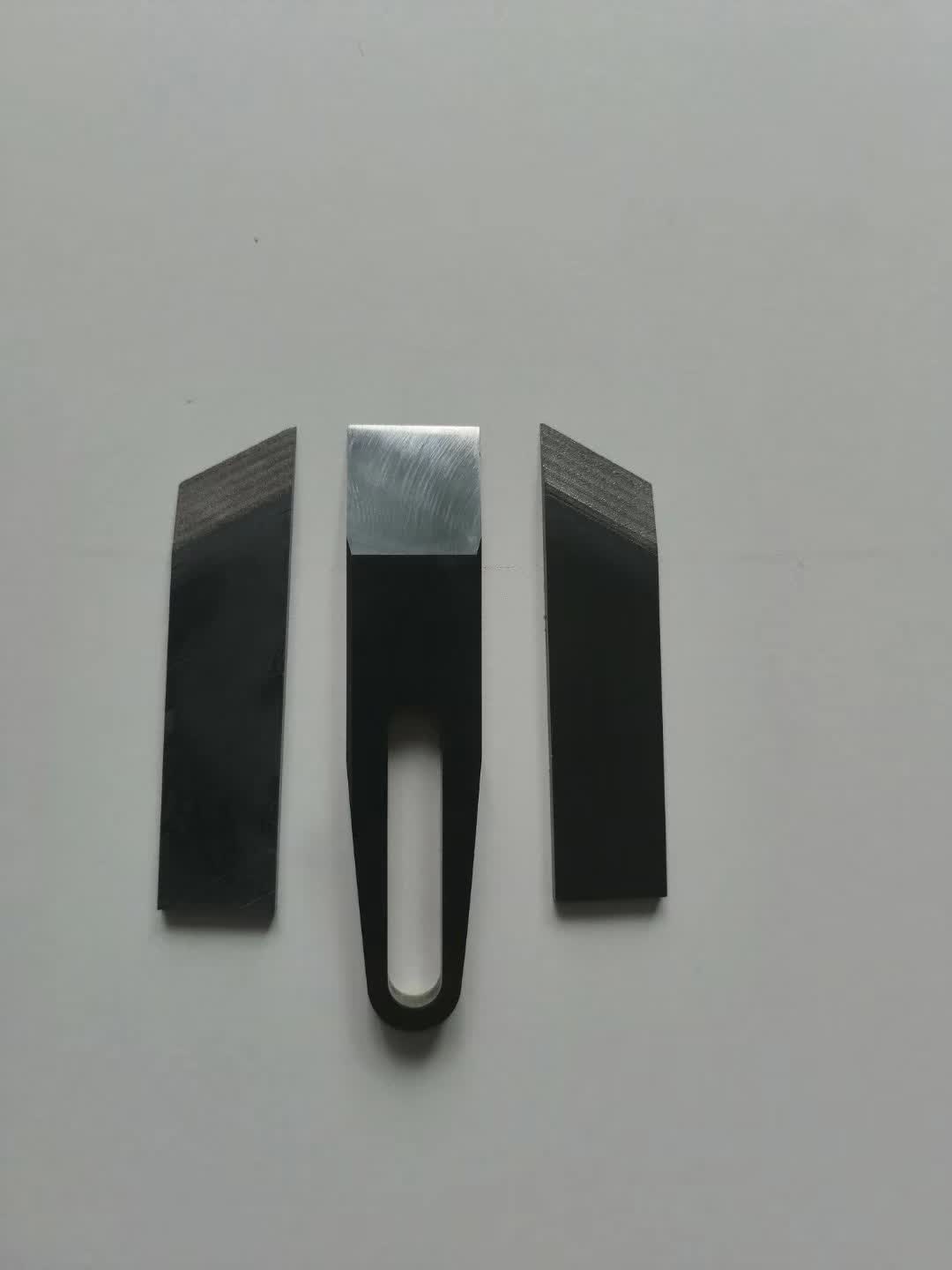
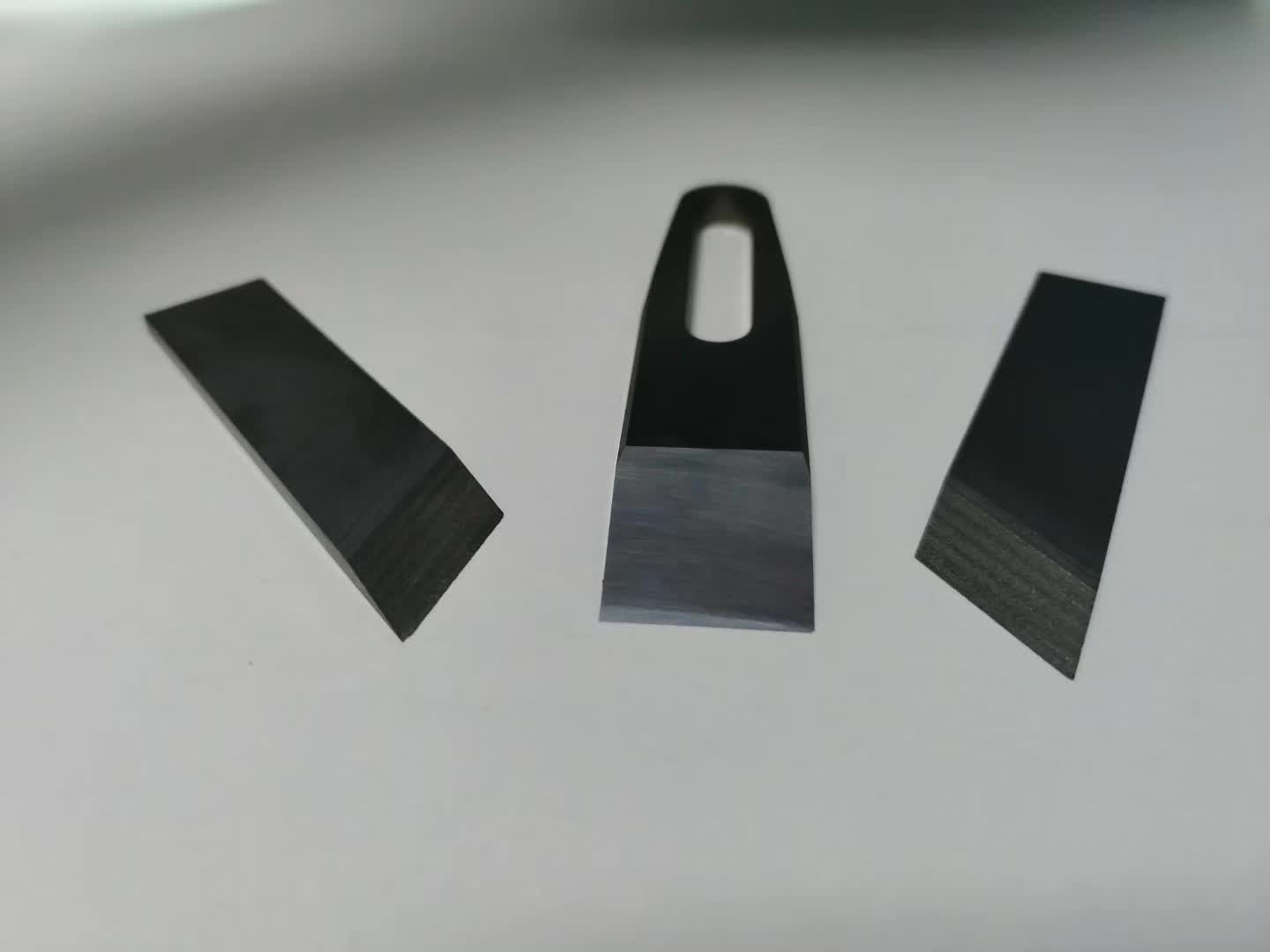
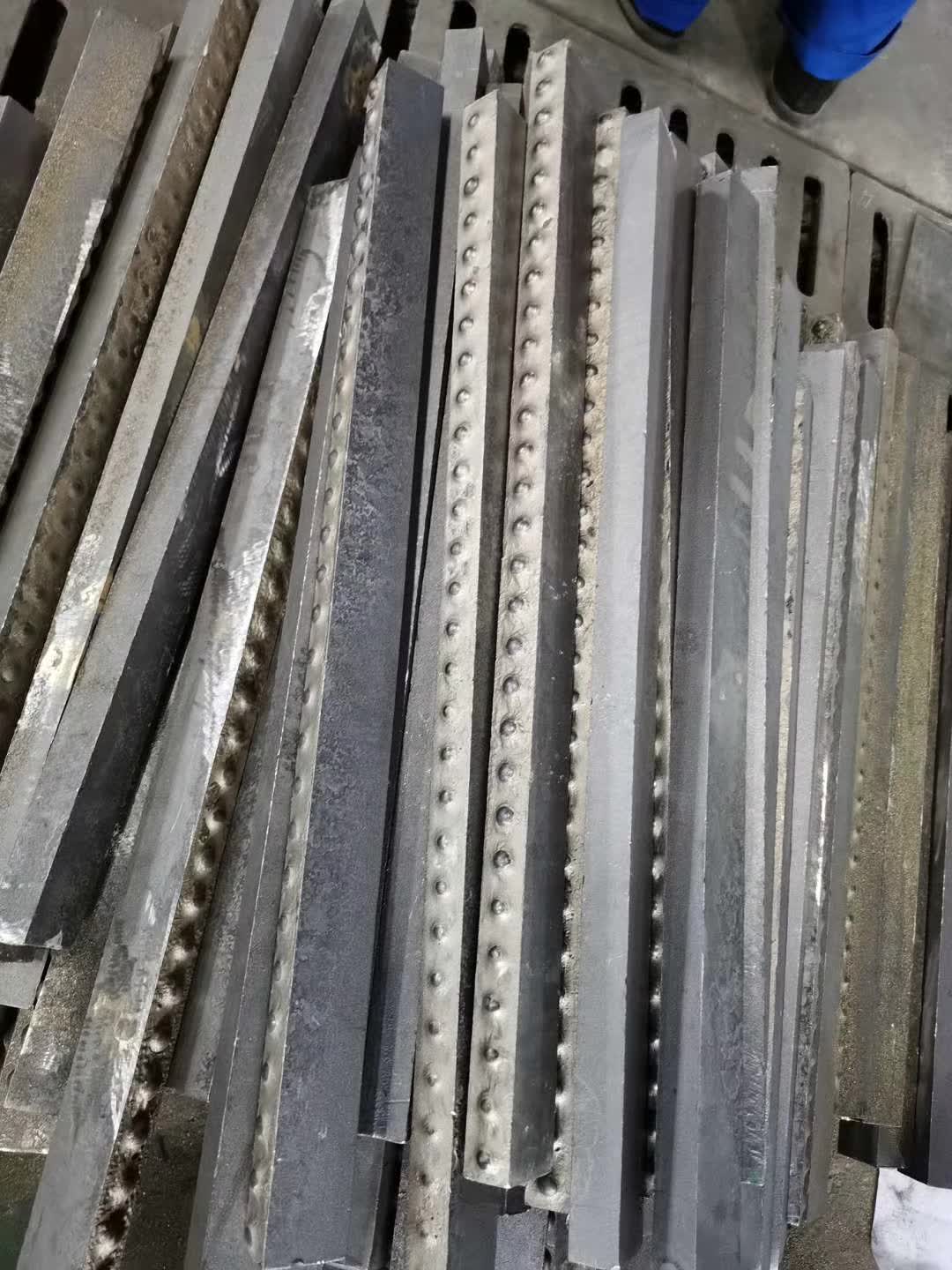
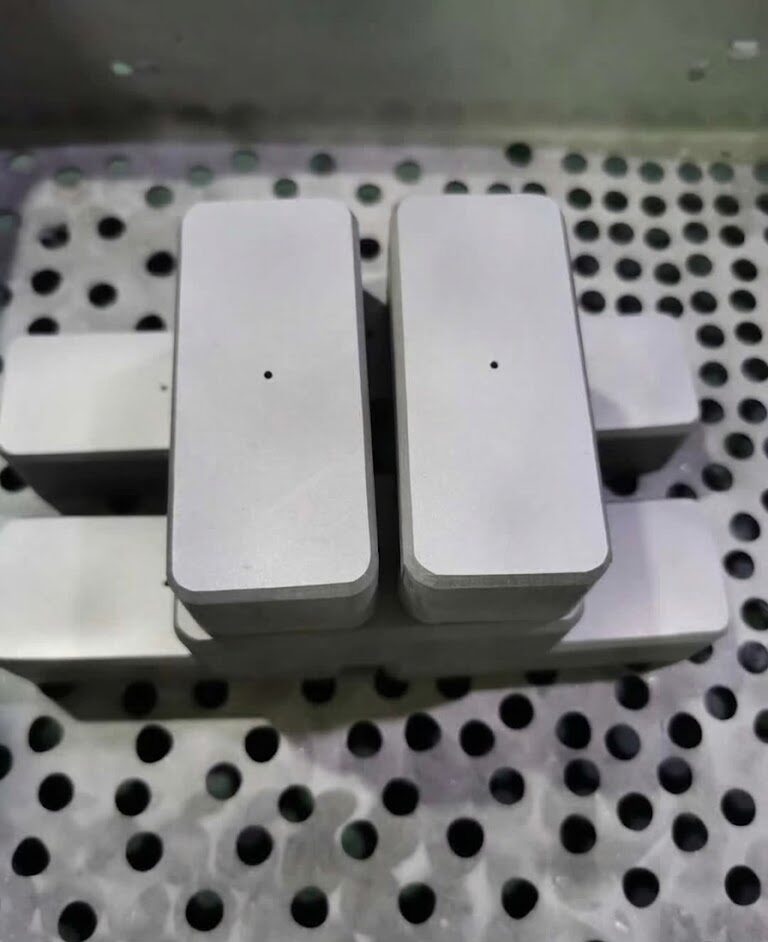
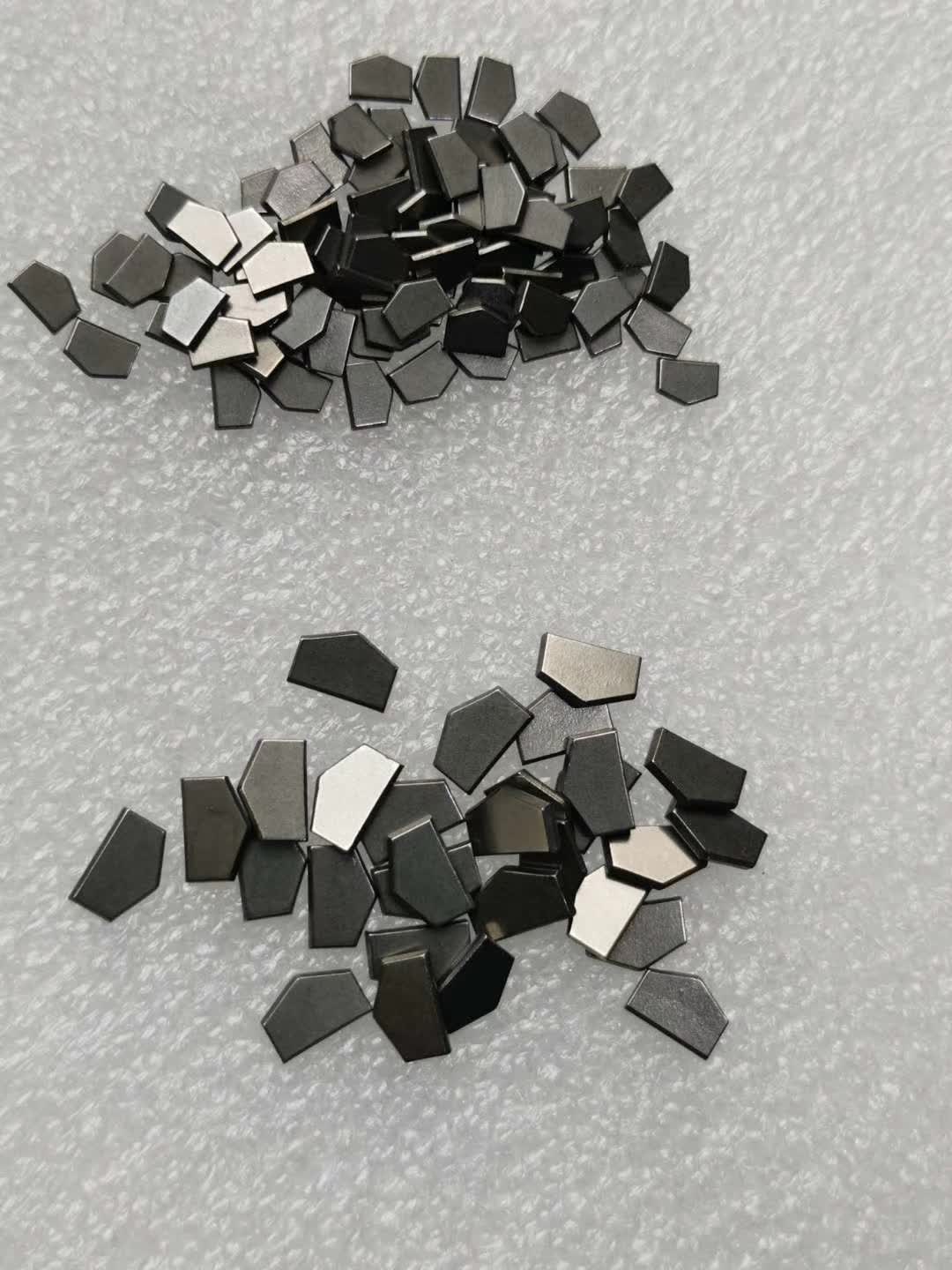
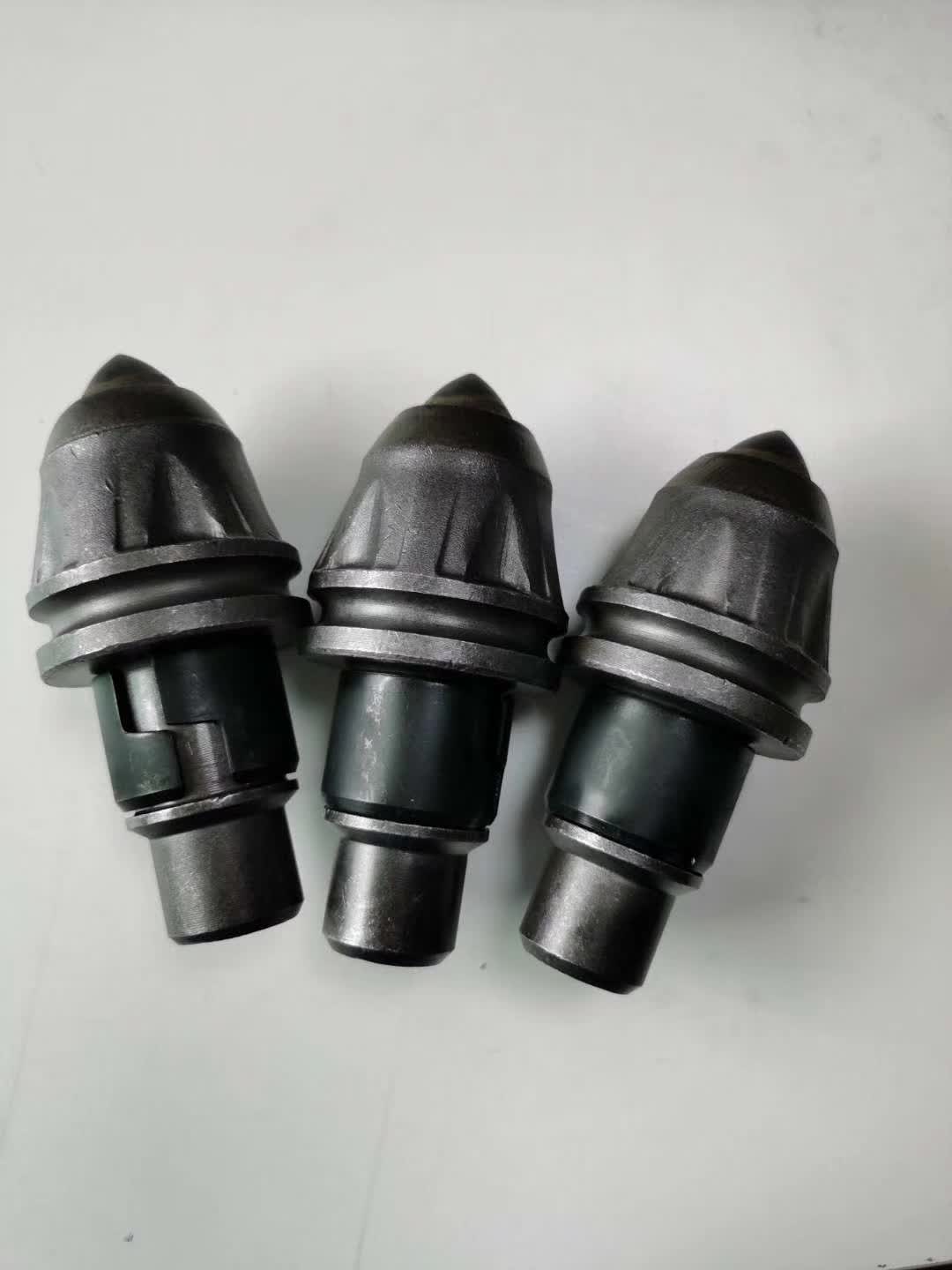
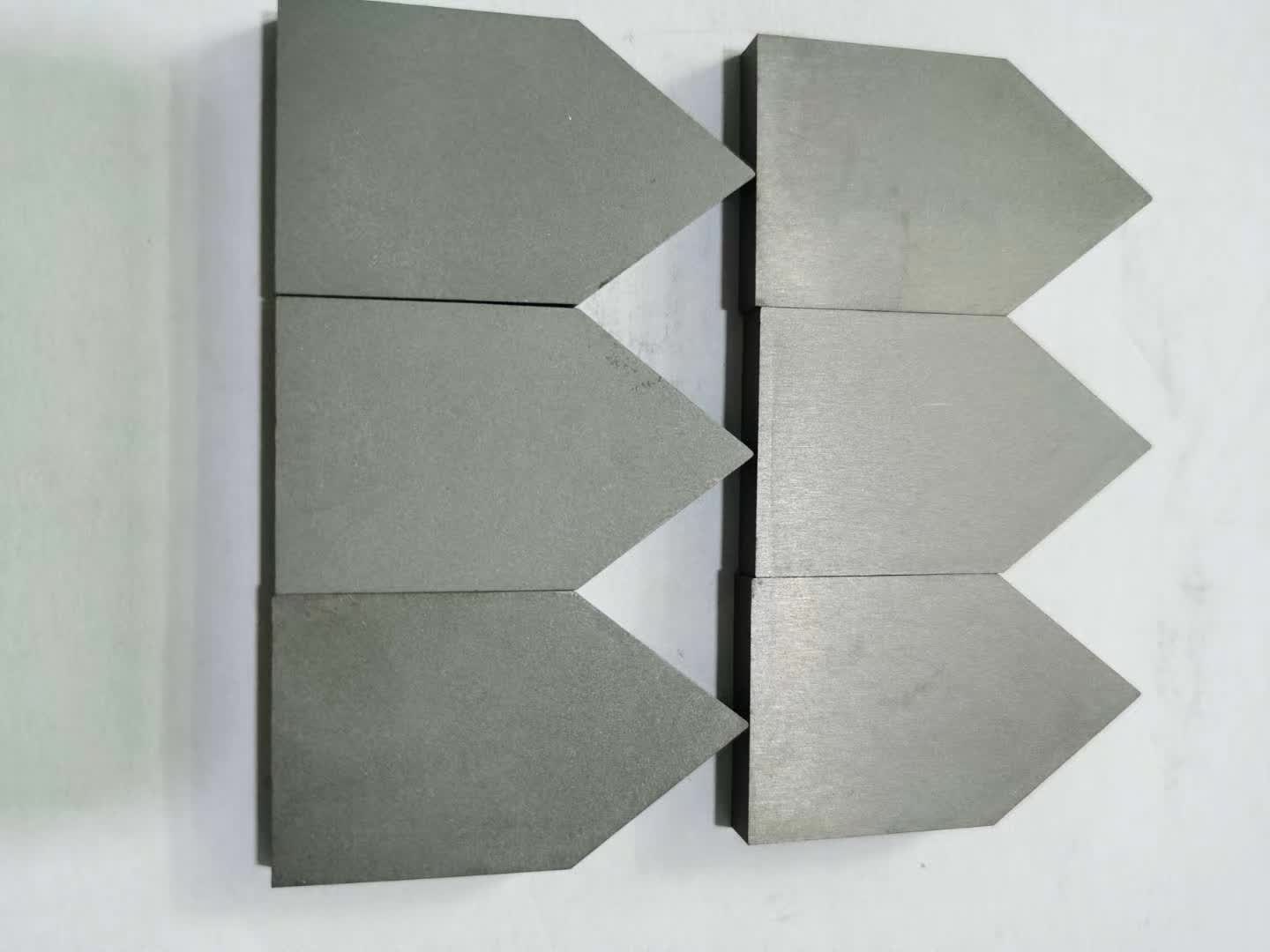
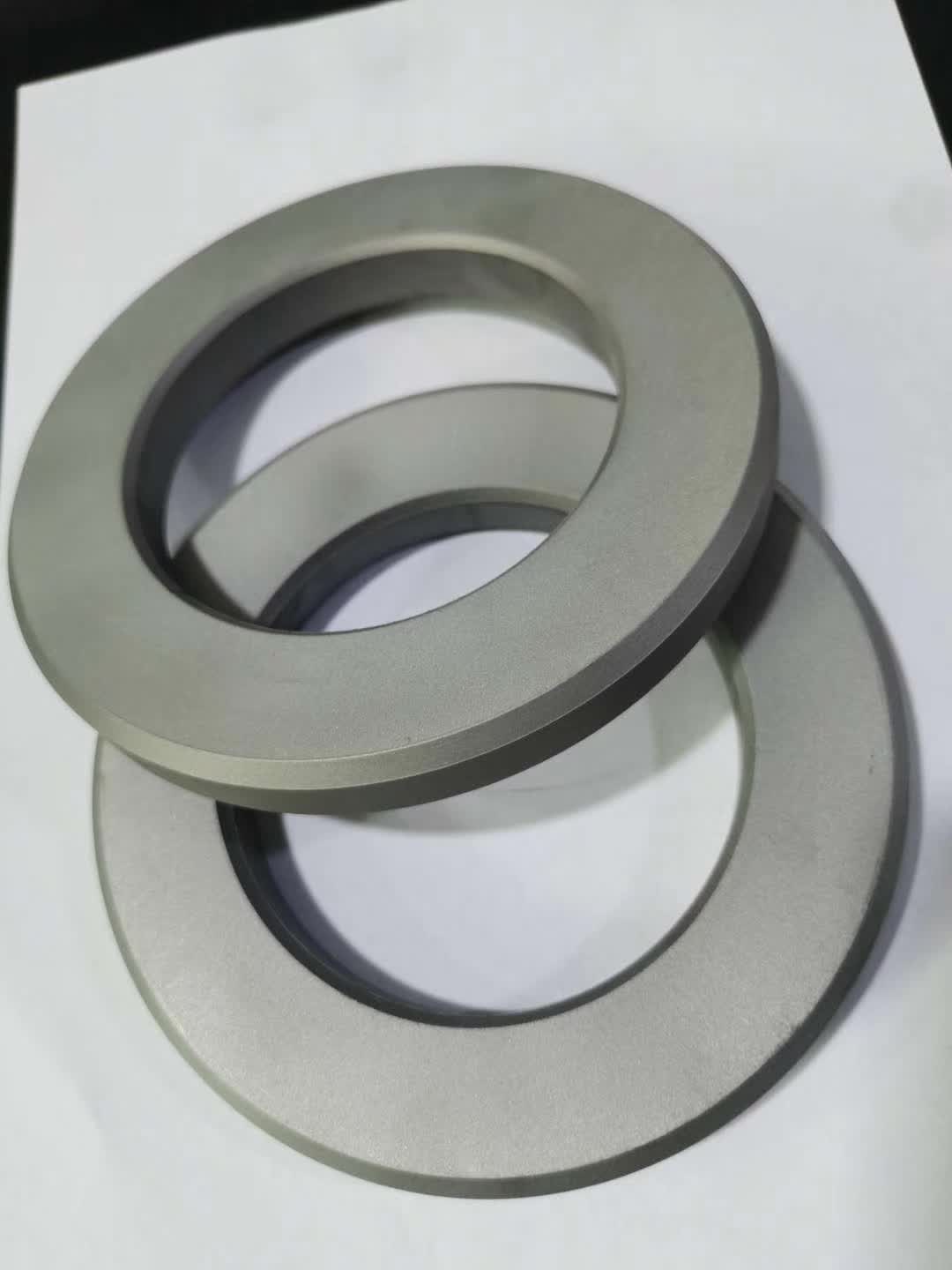
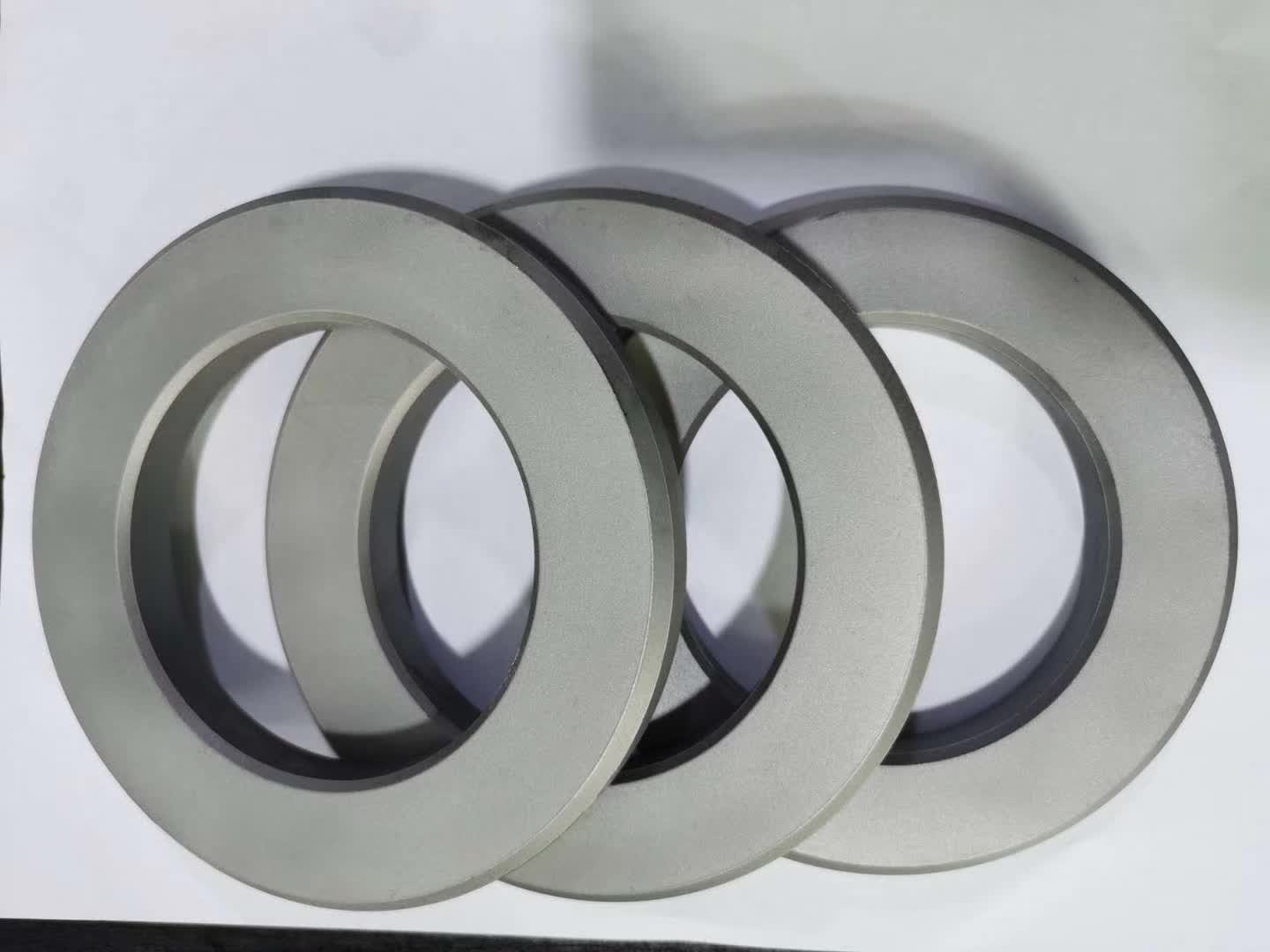
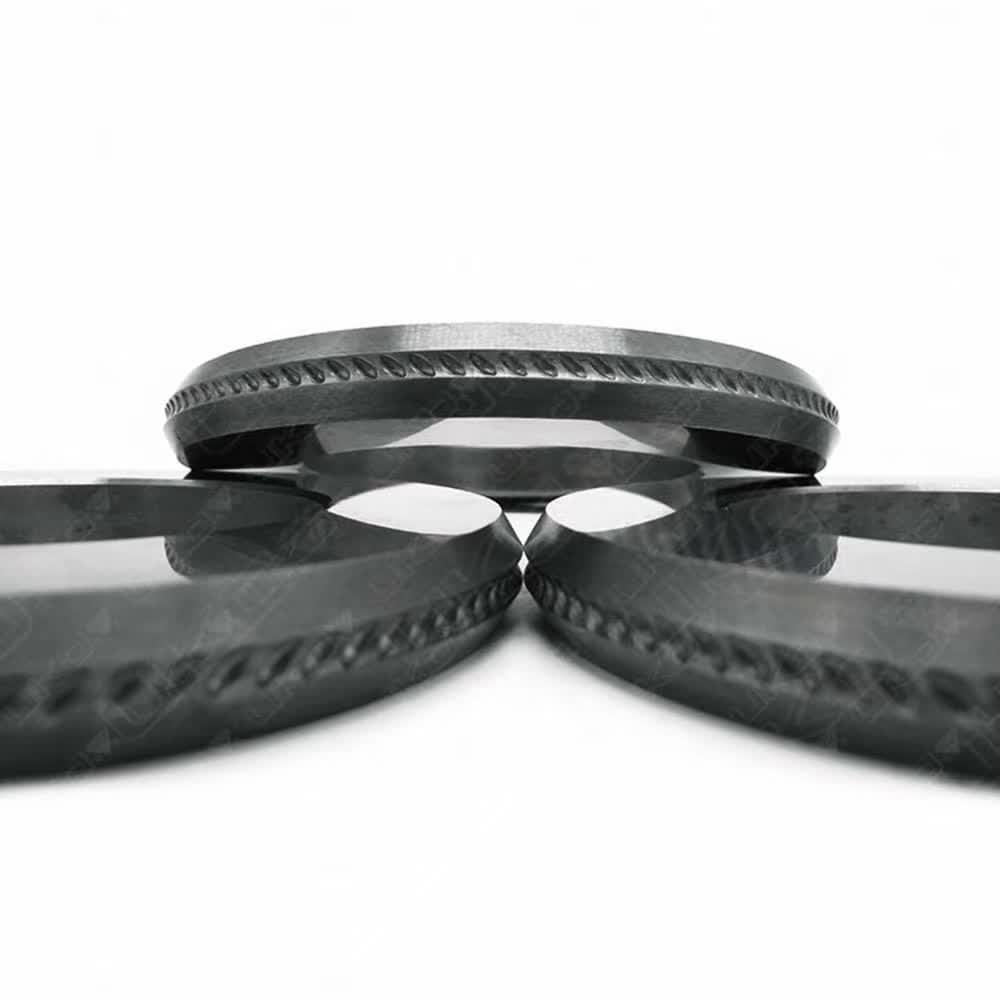
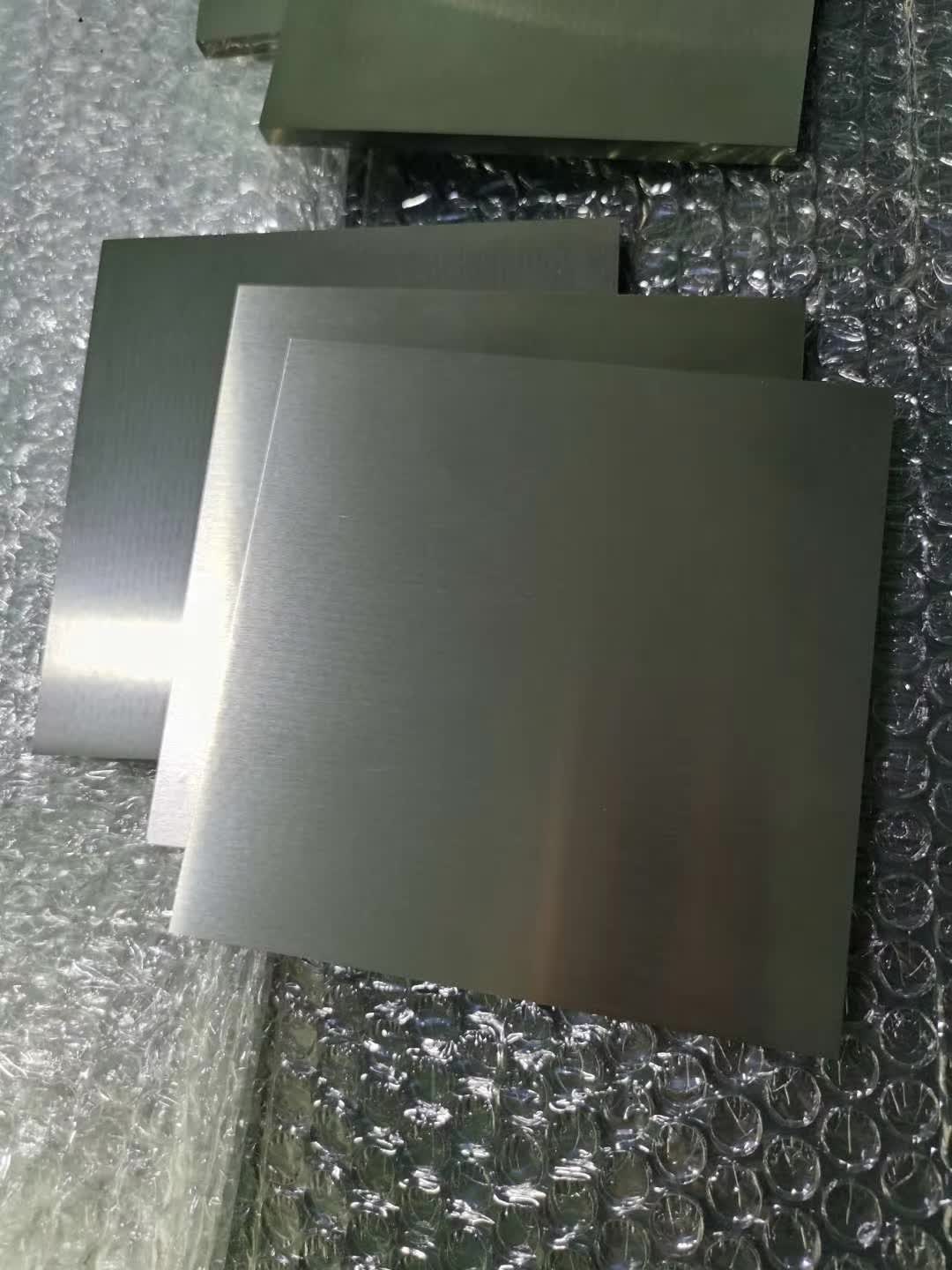
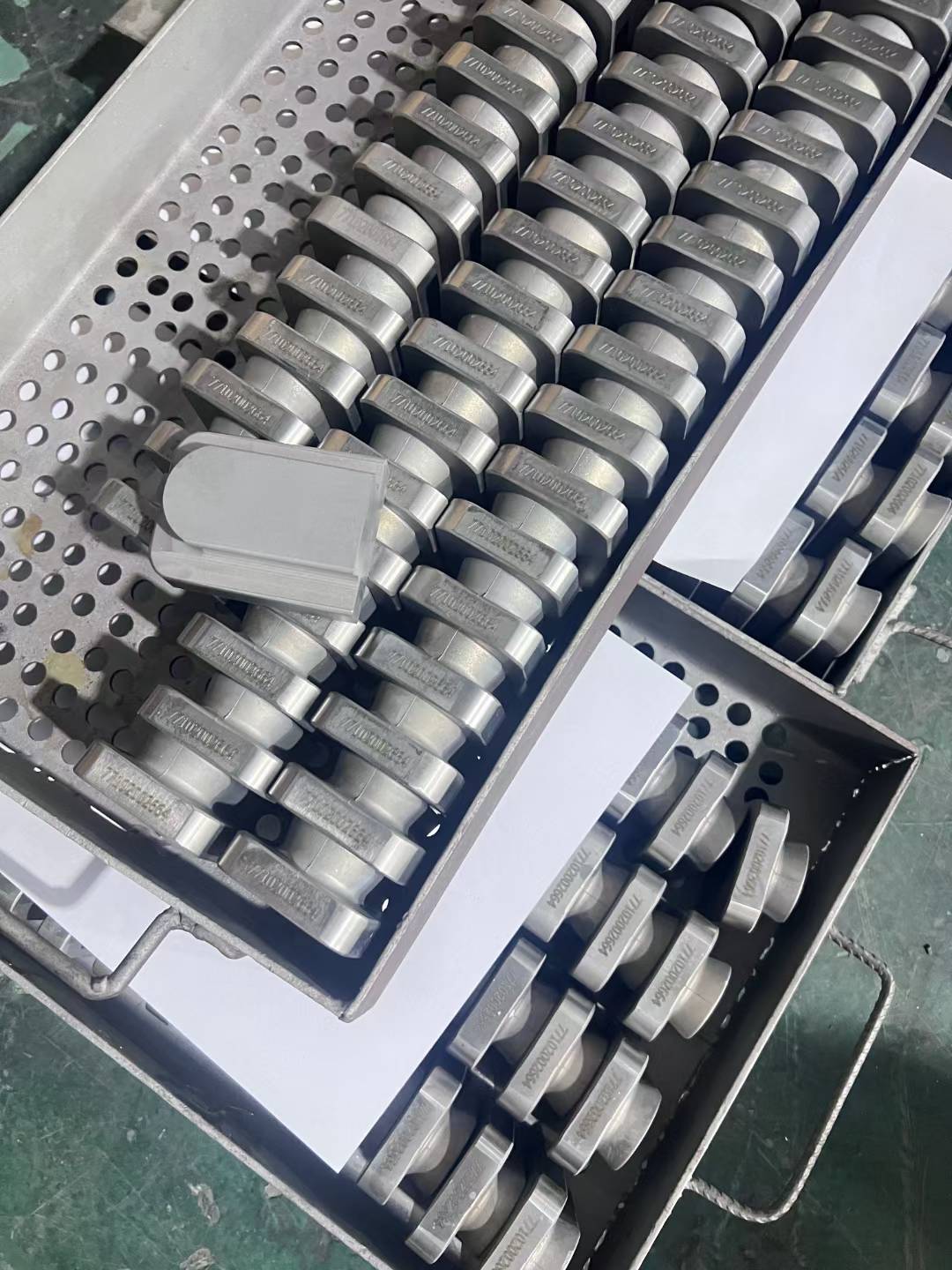
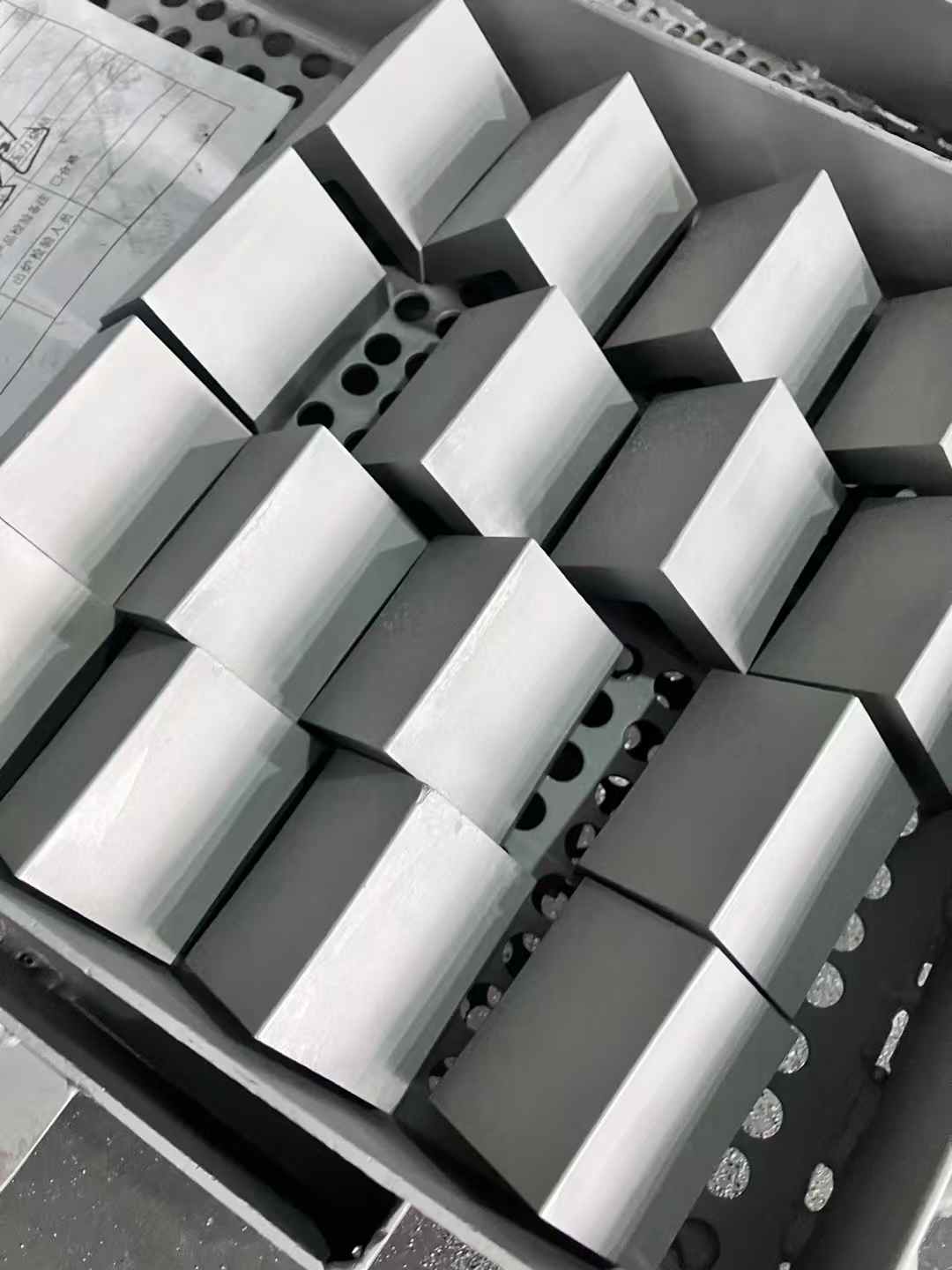
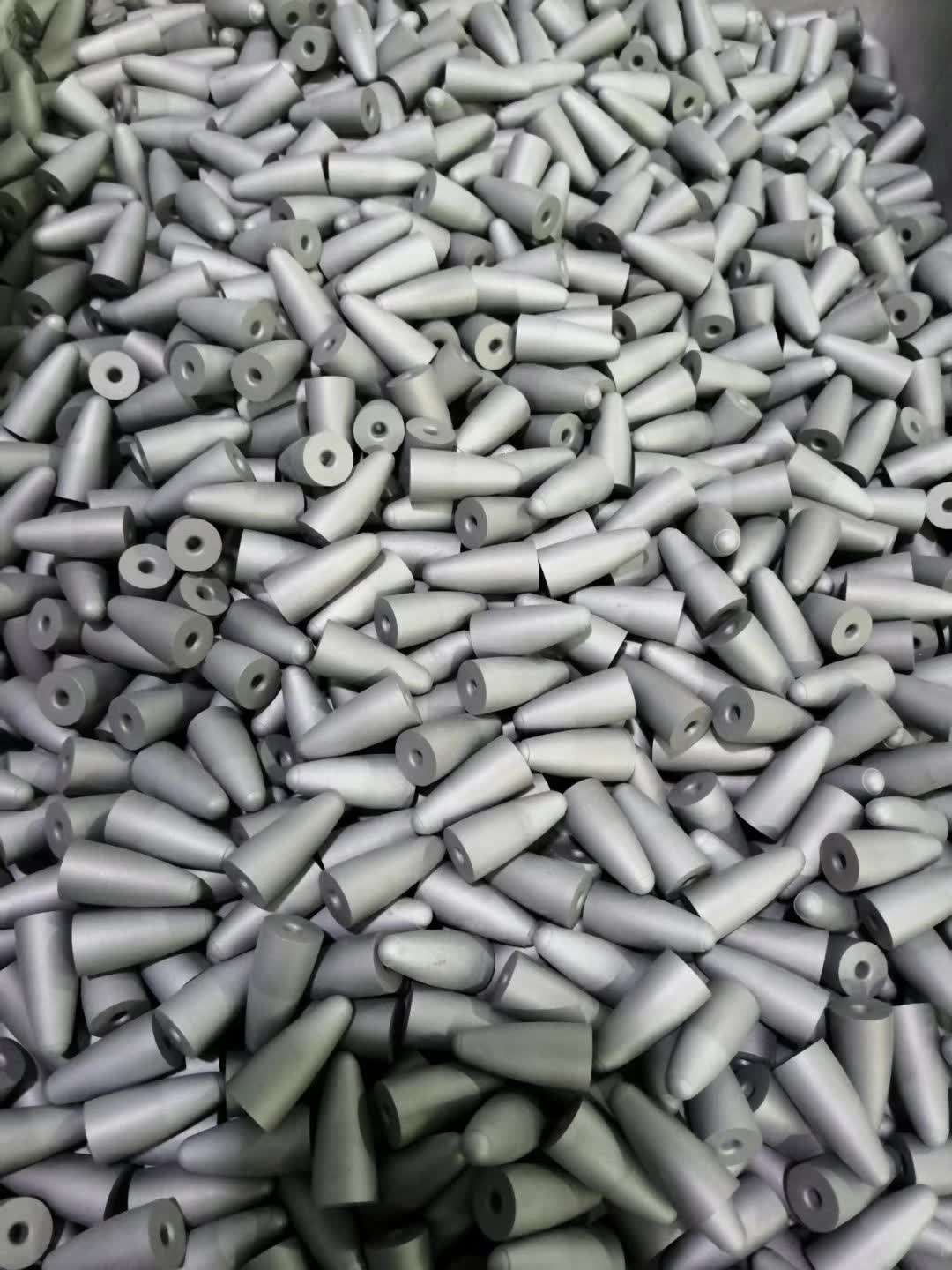
We provide a wide range of standard and custom-engineered tungsten carbide wear components, including:
- Bushings and sleeves
- Seal rings and mechanical seals
- Nozzles and spray tips
- Valve seats and valve components
- Balls and precision components
- Rollers and guide wheels
- Plungers, pins, and shafts
- Wear dies and forming inserts
- Oil & gas wear parts
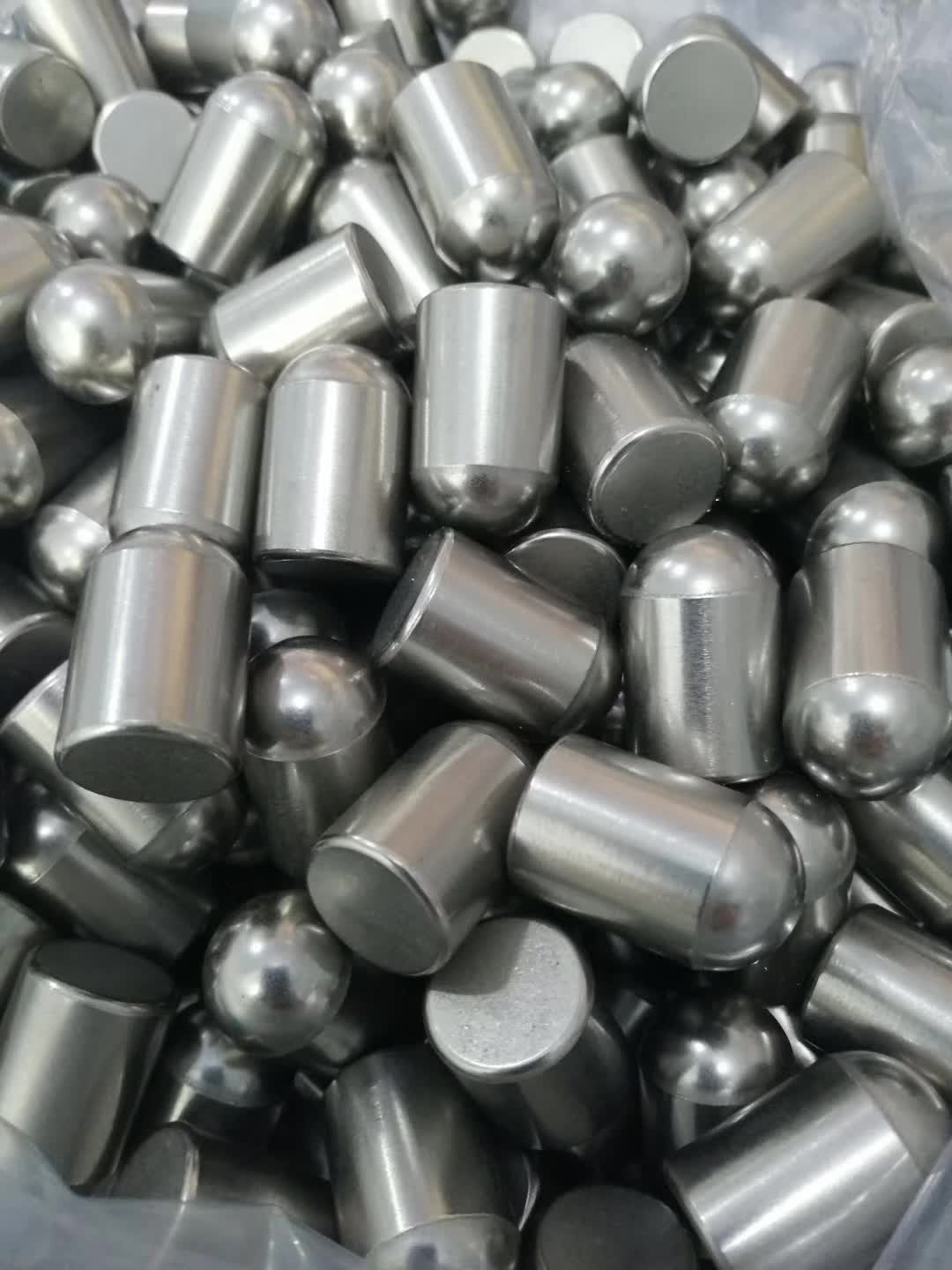
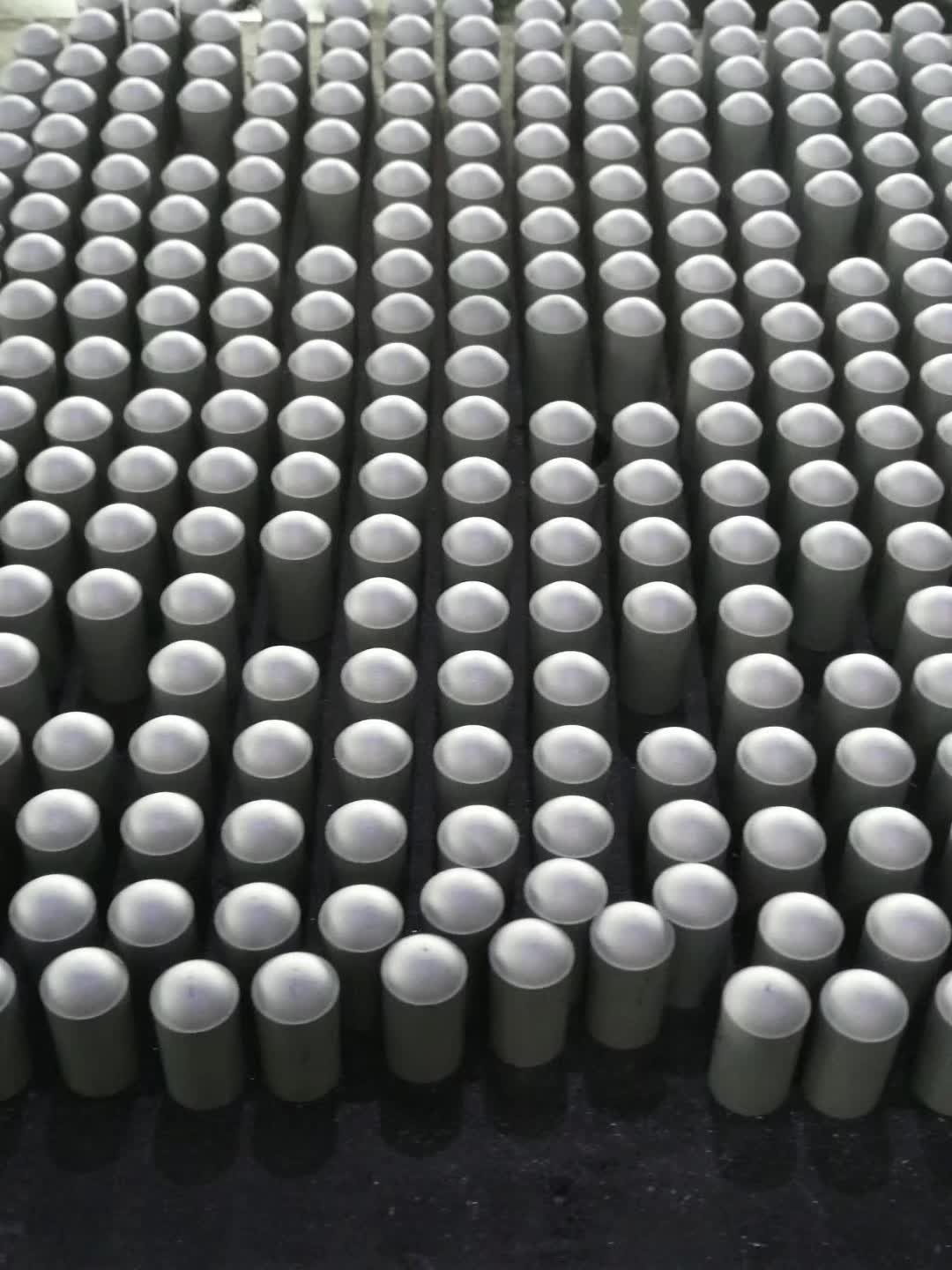
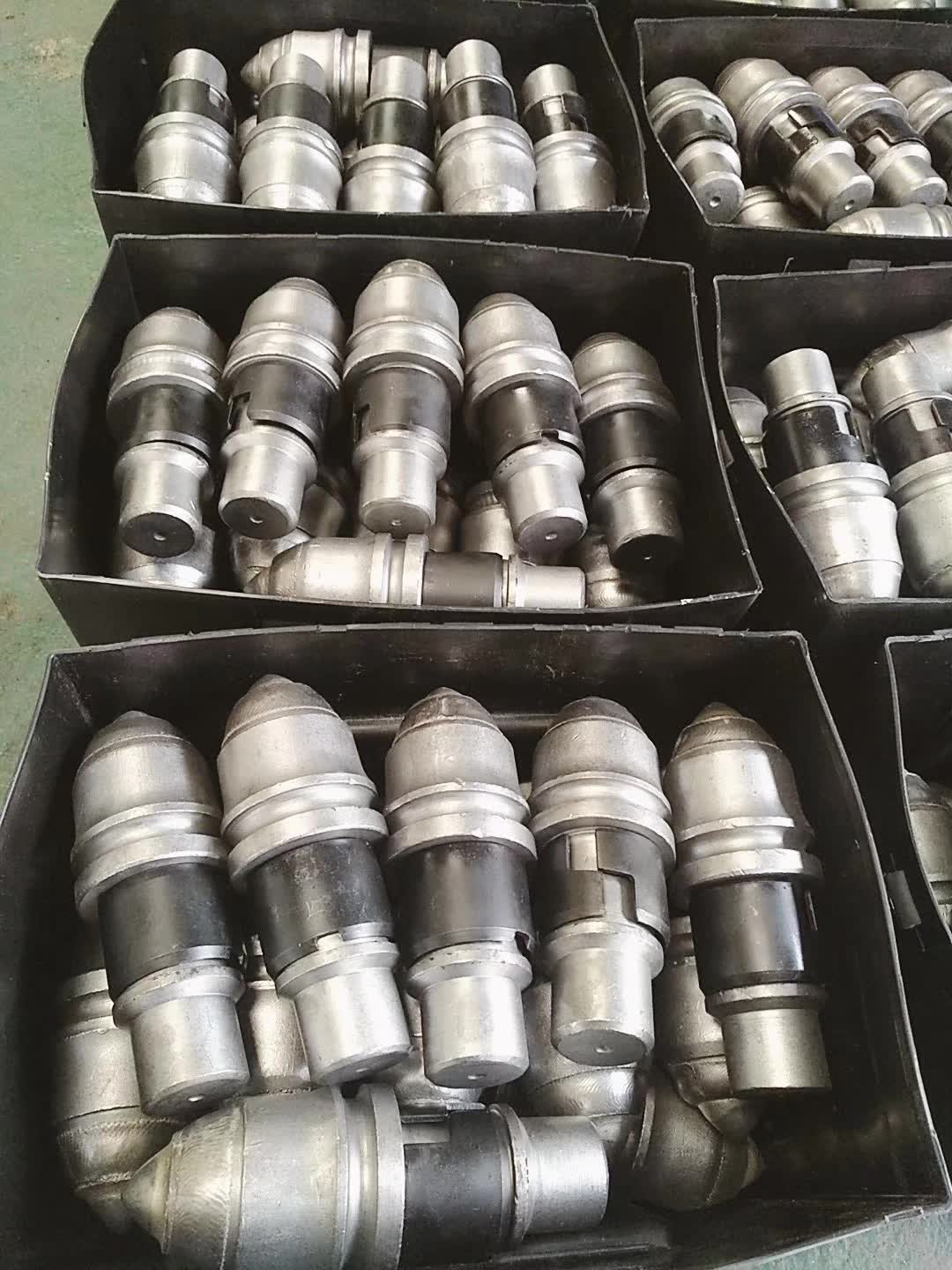
- Mining and abrasion-resistant components
We support supply based on drawings, samples, or application requirements.
Technical Selection & Application Support
Selecting the correct tungsten carbide grade and geometry is critical for performance and service life.
We provide technical support to help customers choose the most suitable solution based on:
- Wear and abrasion conditions
- Impact loading requirements
- Corrosion and chemical exposure
- Temperature and operating environment
- Required service life and cost targets
Our selection review aims to match the component specification to the actual operating environment and agreed acceptance requirements.
For further guidance on comparing tungsten carbide wear protection technologies, material properties and application-specific selection, read our technical white paper, Comparative Evaluation of Tungsten Carbide Wear Protection Solutions (IM-WP-002).
Selecting a tungsten carbide wear part
Selecting a carbide part requires more than matching its external dimensions. The grade, geometry, surface finish and installation requirements must suit the wear mechanism and operating environment.| Selection factor | Information to provide |
|---|---|
| Abrasion and erosion | Contact material, particle characteristics and material movement |
| Impact and loading | Impact severity, loading direction and component support |
| Chemical exposure | Process medium and relevant operating conditions |
| Temperature | Normal operating temperature and significant temperature changes |
| Dimensions and fit | Drawing, tolerances, mating surfaces and fixing method |
| Procurement requirements | Quantity, existing grade/specification and required documentation |
IntegriMat Tungsten Carbide Grade Selection
IntegriMat offers a range of tungsten carbide–cobalt (WC–Co) grades for industrial wear applications. Grade selection considers cobalt content, WC grain size, hardness, transverse rupture strength, and operating conditions. Our selection guide provides representative material properties and ISO application groups to support engineering evaluation and material selection.| IntegriMat Grade | ISO Application Group | Co Content (wt.%) | WC Grain Size (µm) | Density (g/cm³) | Hardness (HRA) | Transverse Rupture Strength (N/mm²) | Typical Applications |
|---|---|---|---|---|---|---|---|
| IM-K10F | K10 | 6 | 0.8 (Fine) | 14.7–15.1 | ≥ 91 | ≥ 2700 | Fine finishing dies, small wear parts, high wear resistance, limited impact. |
| IM-K10M | K10 | 6 | 1.6 (Medium) | 14.7–15.1 | ≥ 90 | ≥ 2600 | General wear parts, forming dies, abrasion-resistant components. |
| IM-K20F | K20 | 8 | 0.8 (Fine) | 14.6–14.9 | ≥ 90 | ≥ 2800 | Forming dies, moderate impact, higher wear resistance. |
| IM-K20M | K20 | 8 | 1.6 (Medium) | 14.6–14.9 | ≥ 89 | ≥ 2700 | General-purpose wear parts and tools. |
| IM-K40F | K40 | 10 | 0.8 (Fine) | 14.3–14.7 | ≥ 88 | ≥ 2600 | Wear parts with impact, mining, mineral processing. |
| IM-K40M | K40 | 10 | 1.6 (Medium) | 14.3–14.7 | ≥ 88.5 | ≥ 2800 | General wear components, chutes, liners, tools with impact. |
| IM-K40C | K40 | 13 | 1.2 (Medium) | 14.0–14.3 | ≥ 87.5 | ≥ 3100 | Heavy wear, high-impact conditions. |
| IM-K40UF | K40 | 13 | 0.8 (Fine) | 14.0–14.3 | ≥ 88.5 | ≥ 3300 | High wear and impact, fine grain for improved toughness. |
| IM-K40H | K40 | 15 | 0.8 (Fine) | 13.8–14.2 | ≥ 88.5 | ≥ 3400 | Severe impact and high-load applications. |
| IM-K40T | K40 | 15 | 1.6 (Medium) | 13.8–14.2 | ≥ 86.5 | ≥ 3000 | High-impact wear parts, stamping and forming tools. |
| IM-K40SH | K40 | 18 | 0.8 (Fine) | 13.6–14.0 | ≥ 86.5 | ≥ 3300 | Punching, shear and heavy forming tools, abrasive and impact wear. |
| IM-K40C20 | K40 | 20 | 1.0 (Medium) | 13.4–13.8 | ≥ 85 | ≥ 3100 | Very high-impact conditions, mining and heavy-duty wear parts. |
| IM-K40C20C | K40 | 20 | 2.0 (Coarse) | 13.4–13.8 | ≥ 83 | ≥ 3100 | Maximum toughness for extreme impact and shock loading. |
| IM-K40C25 | K40 | 25 | 1.6 (Medium) | 13.0–13.2 | ≥ 82.5 | ≥ 2800 | Severe impact, high-toughness components. |
| IM-K40C25C | K40 | 25 | 2.0 (Coarse) | 13.0–13.2 | ≥ 81 | ≥ 2600 | Maximum toughness, very high impact and shock loading. |
- Values are typical minimum properties. Actual values may vary slightly depending on component size, geometry and processing conditions.
- Grain size classification: Fine (≤ 1.0 µm), Medium (1.0–1.6 µm), Coarse (≥ 2.0 µm) — average WC grain size.
- ISO application groups (K10, K20, K40) are used as a guideline for relative wear resistance and toughness, not as a single-property specification.
- Additional grades with other binder contents, grain sizes or WC–Ni binders (including non-magnetic grades) are available upon request.
We can tailor binder content, grain size and properties to meet your specific application requirements.
The catalogue includes WC–Co, WC–Ni, fine-grain and coarser-grain material options. Binder type/content and carbide grain size should be reviewed together with hardness, toughness and chemical exposure. Grade selection should follow the application and agreed specification. Greater hardness does not automatically resolve problems caused by impact, fracture, unsuitable fit or chemical exposure. IntegriMat can review the current part and application information to support a suitable material and geometry recommendation.
Applications and component requirements
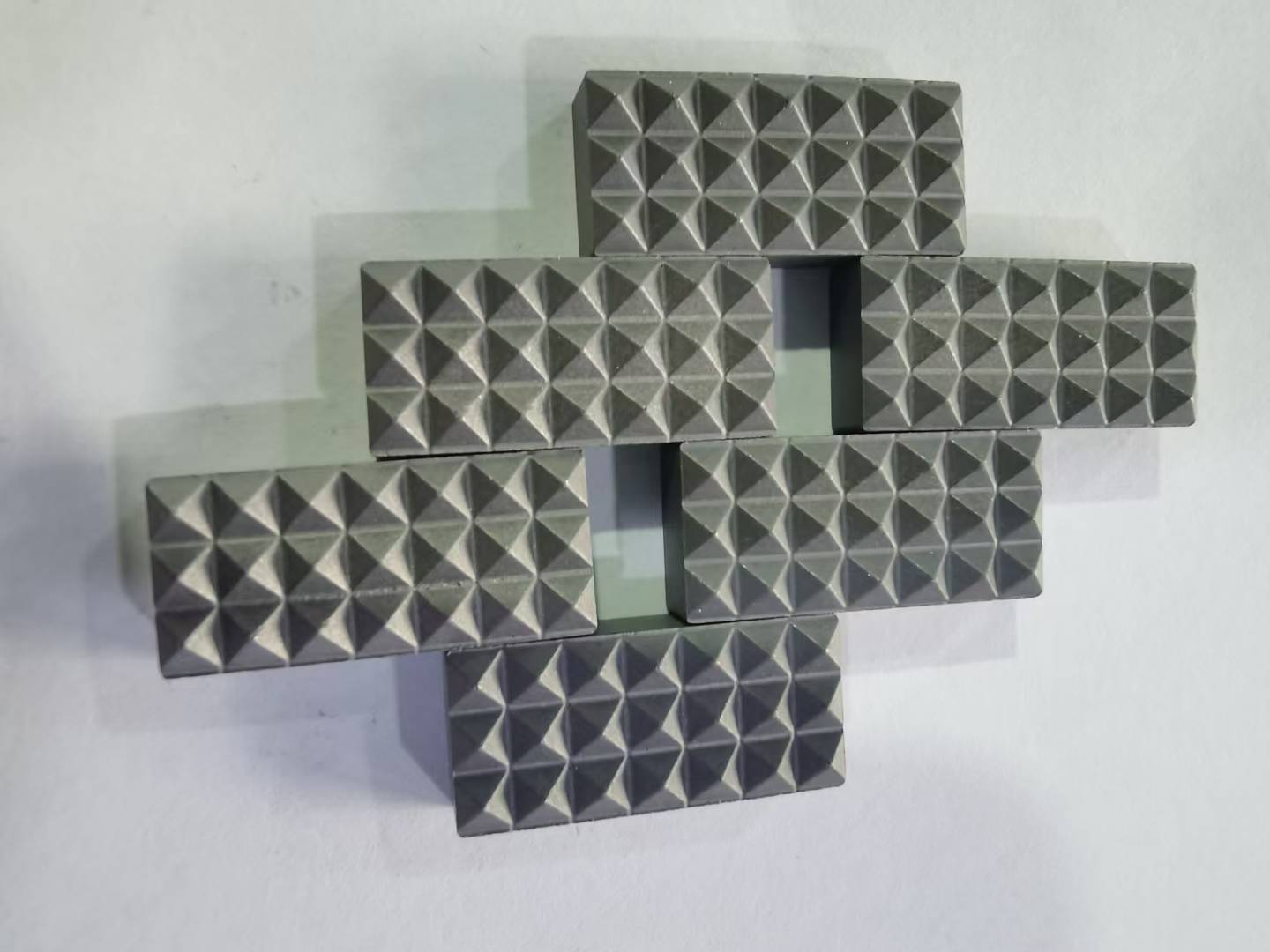
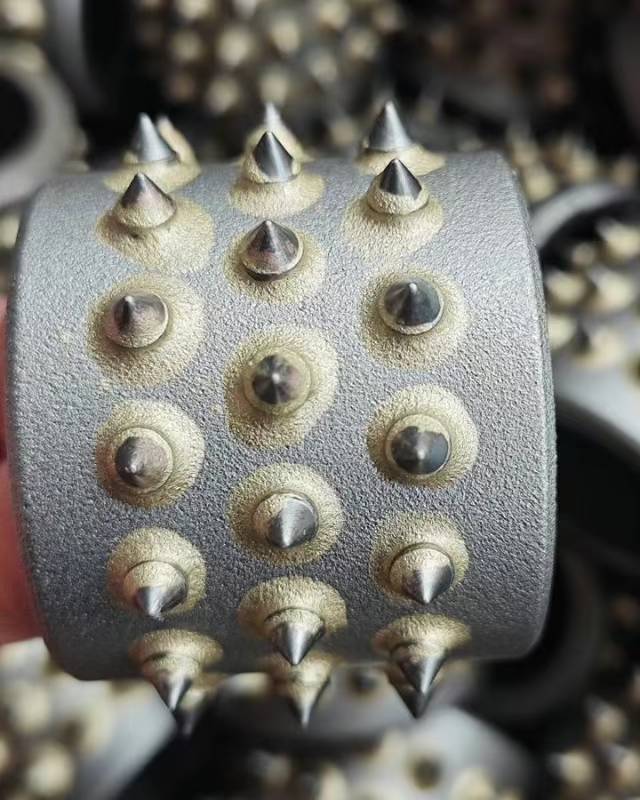
For sleeves and bushings, describe the mating part, movement, abrasive exposure and required fit. For nozzles and spray tips, provide the flow medium, particle characteristics and operating requirements. For valve seats and seal components, identify the mating surfaces, loading and process medium. Wear dies and forming inserts require information about the processed material, geometry and dimensional requirements.For HPGR studs and edge blocks, provide the roll/equipment details, existing part geometry, mounting requirements, ore characteristics and wear history. The catalogue includes these mining components alongside sleeves, nozzles, valve components, forming dies and custom wear parts.This information helps distinguish a material-selection issue from a geometry, installation or operating-condition problem.
Industries We Support
Our tungsten carbide solutions are widely used in:
- Mining and mineral processing
- Oil & gas production
- Metal forming and stamping
- Pump and valve systems
- Wire drawing and rolling
- Heavy industrial equipment
- Chemical and abrasive processing environments
Engineering-Driven Supply Partner
We combine material-selection guidance with sourcing through qualified manufacturing partners. The proposed grade, dimensions and documentation are reviewed against the application before supply is confirmed.
If you are looking to improve component lifetime or reduce wear-related failures, we can support you with both material selection and surface engineering recommendations.
Tungsten carbide wear-parts FAQs
Can IntegriMat supply a custom part from a drawing or sample?
Yes. IntegriMat supports supply based on drawings, samples or application requirements through qualified manufacturing partners. Dimensions, grade, tolerances, quantity and acceptance requirements are reviewed before supply is confirmed.
Can you help if I do not know the carbide grade?
Share the component drawing or photographs, its operating conditions and the observed failure or wear pattern. Include any existing material documentation. These provide a starting point for the material-selection review.
Should I select the hardest carbide grade?
Not automatically. The grade must balance wear resistance with loading, impact, chemical exposure and the component’s geometry. A harder material may not address the dominant cause of failure.
When should I consider a protected steel component instead?
If the requirement is to protect selected surfaces of a larger steel component rather than use a separate carbide part, consider our tungsten carbide cladding and hardfacing solutions. IntegriClad™ tungsten carbide welding rope can be used to deposit a carbide-reinforced wear-resistant layer, while vacuum-brazed tungsten carbide wear solutions use carbide tiles, blocks or inserts bonded to a steel substrate. The appropriate technology depends on the component geometry, wear mechanism, impact conditions and installation requirements.
What information is needed for a quotation?
Send the drawing or sample information, dimensions and tolerances, grade if known, application, quantity and required documentation. Include photographs of any wear or failure that the replacement part needs to address.