Vacuum Brazed Tungsten Carbide Wear Solutions
Vacuum Brazed
Tungsten Carbide Wear Solutions
Engineered Wear Protection for Severe Abrasion & Impact
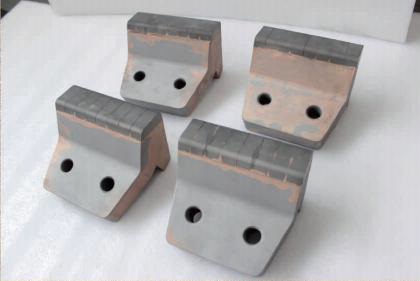
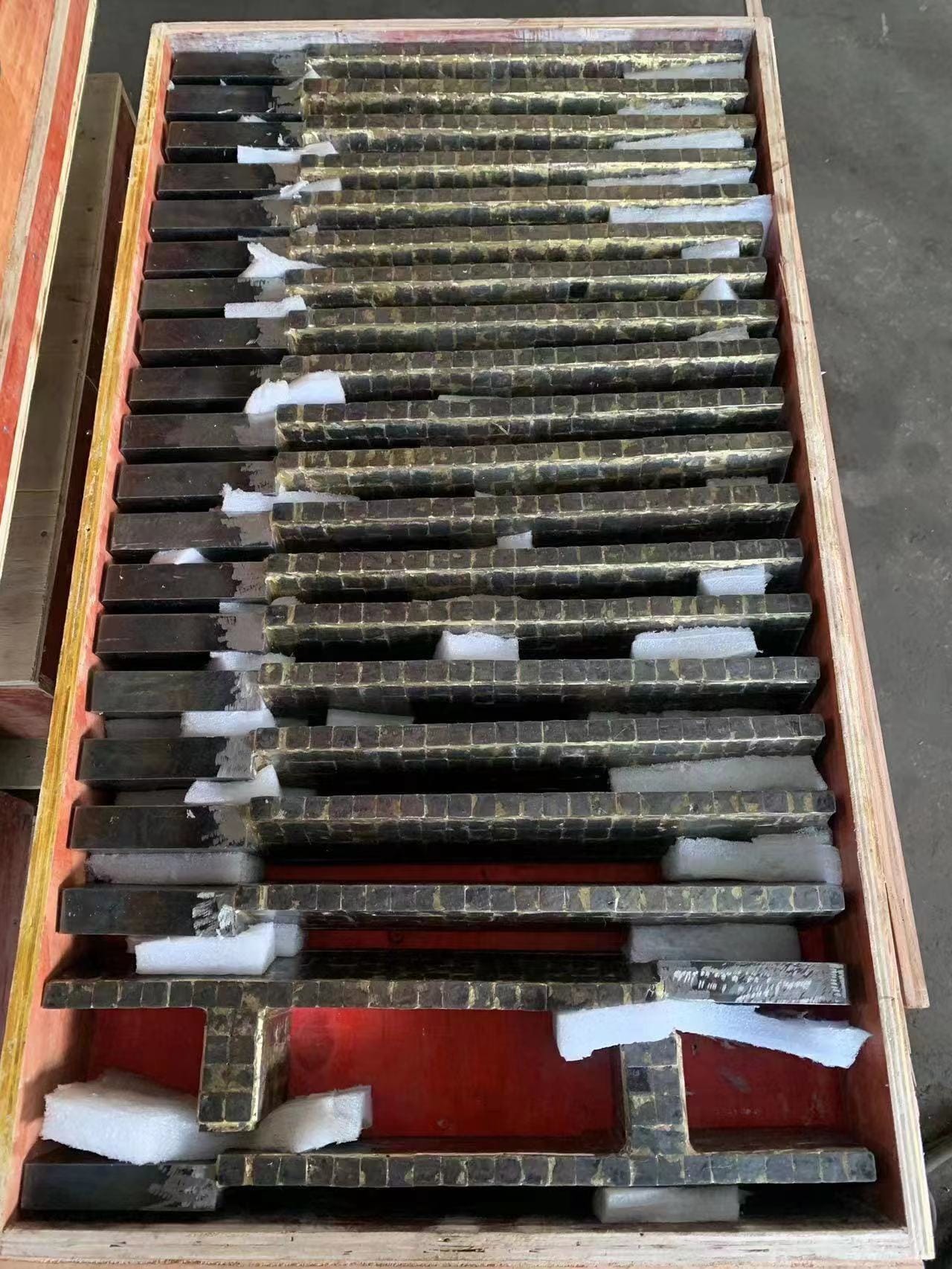
IntegriMat provides custom vacuum brazed tungsten carbide wear solutions for components operating under severe abrasion, erosion and impact conditions.
By combining the exceptional wear resistance of cemented tungsten carbide (WC-Co) with the structural strength of an engineered steel substrate, we provide robust wear components designed for demanding mining, mineral processing, material handling and heavy industrial applications.
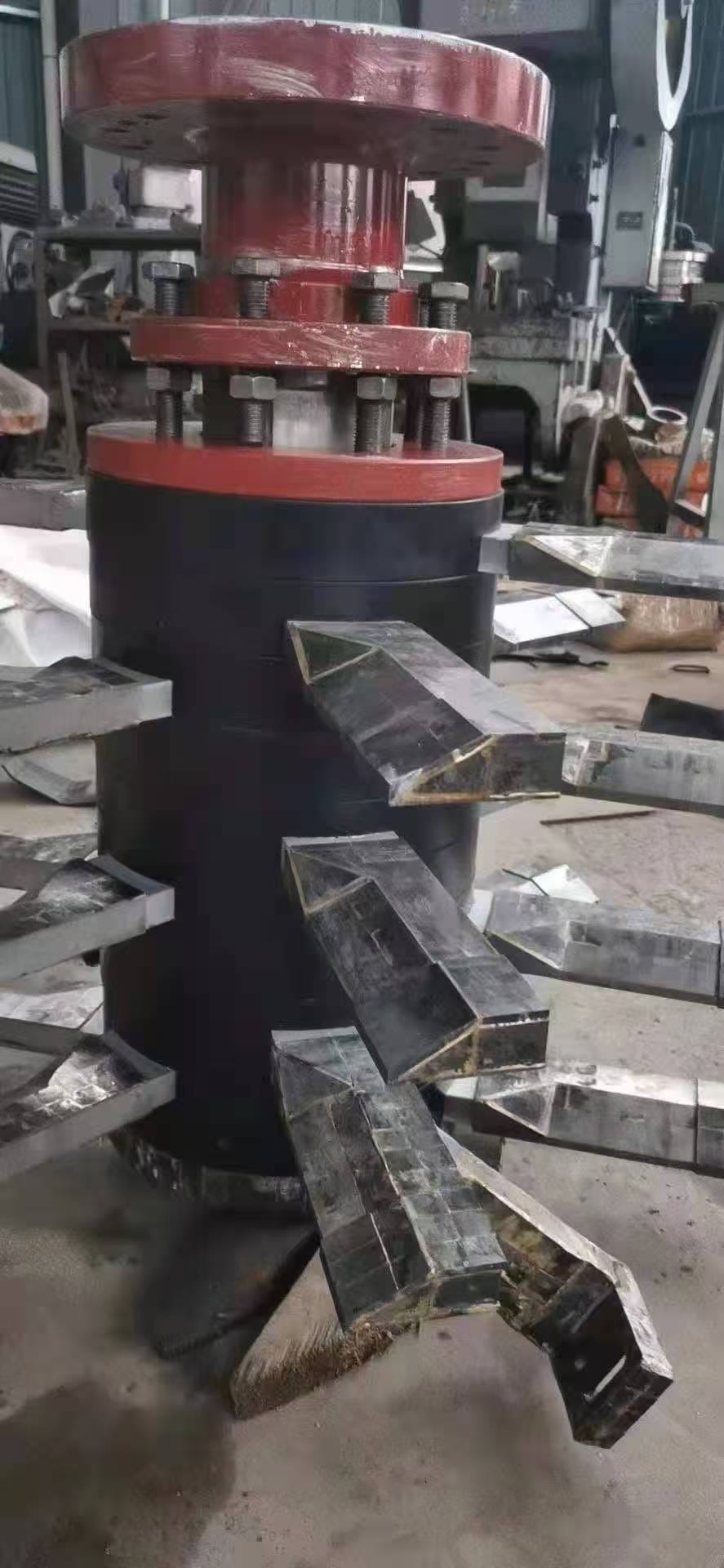
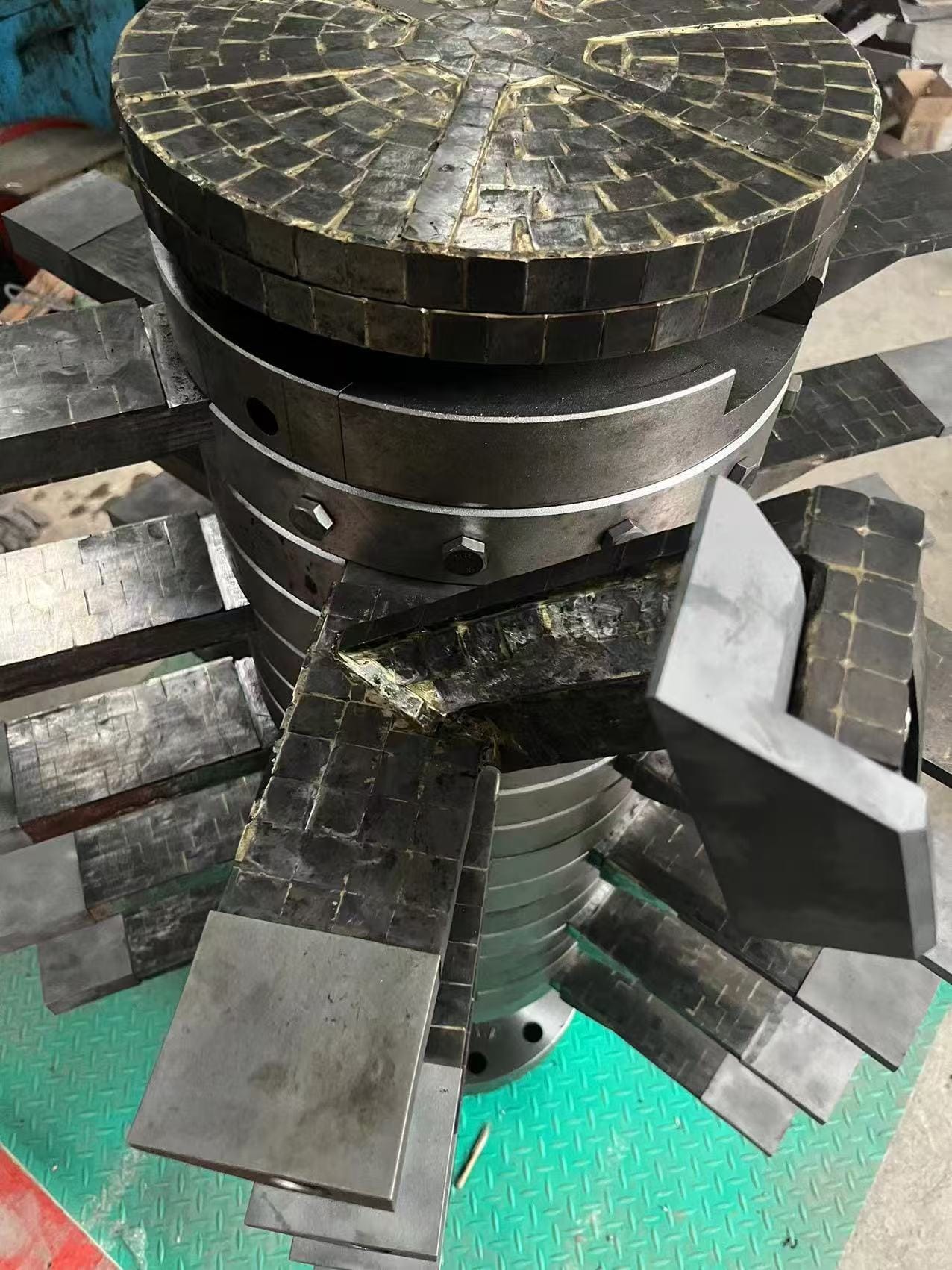
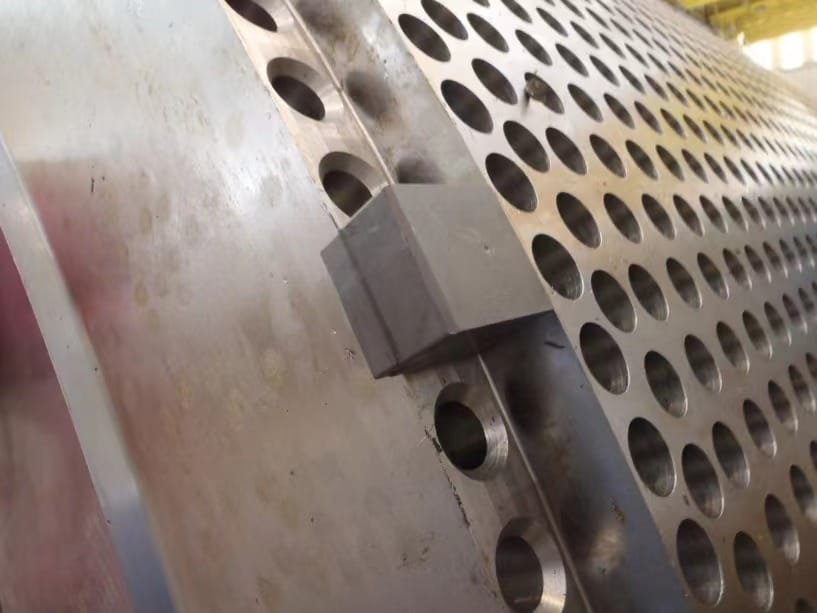
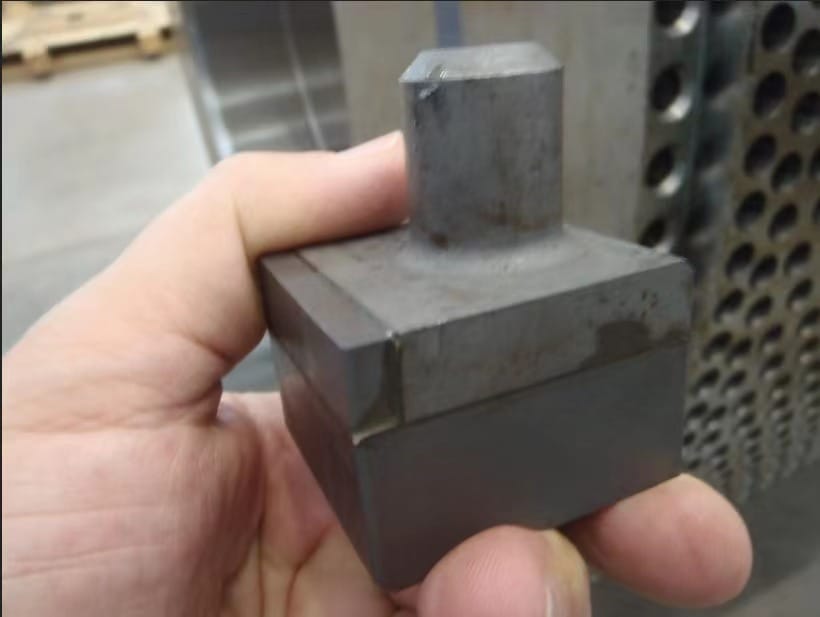
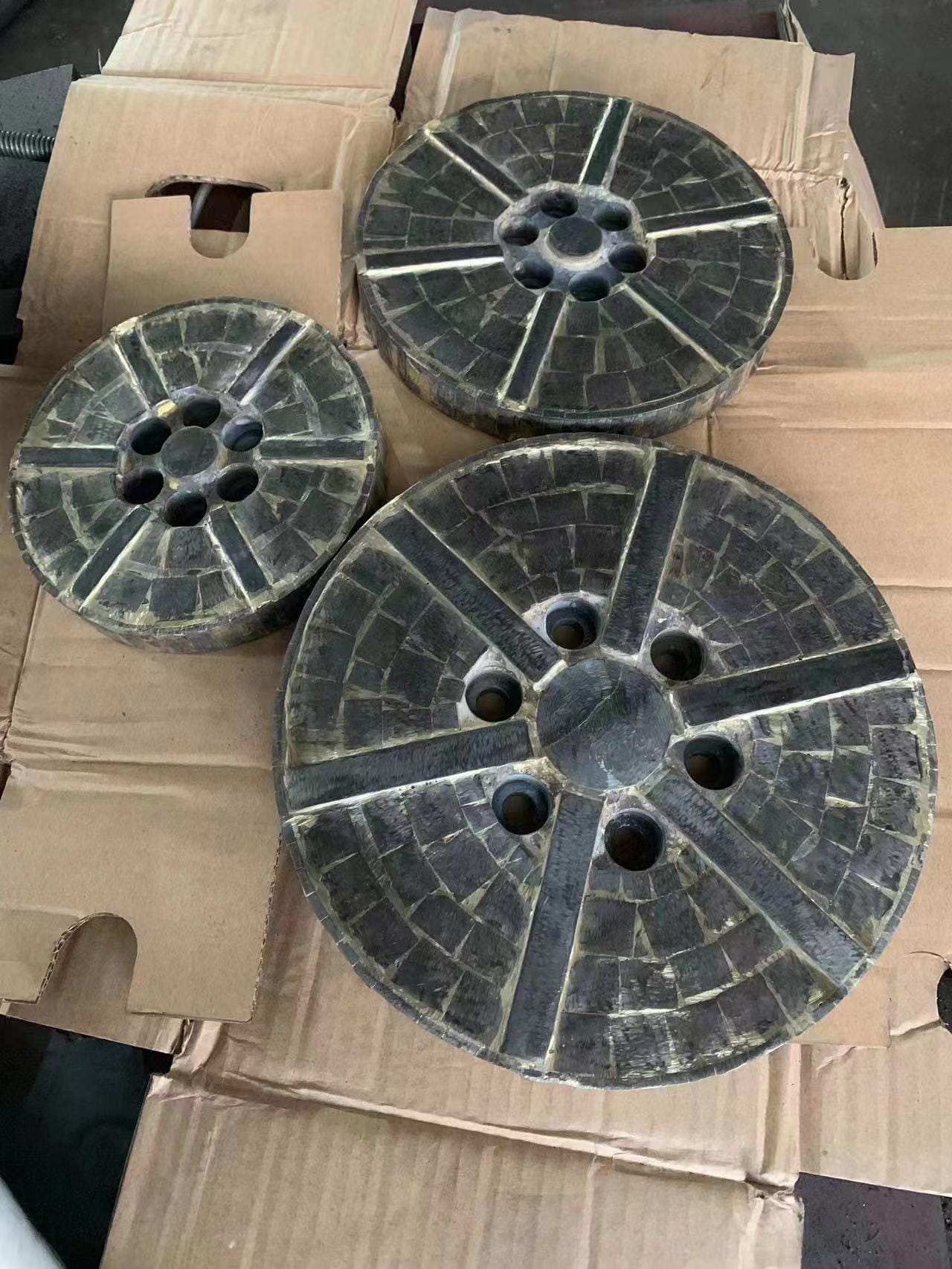
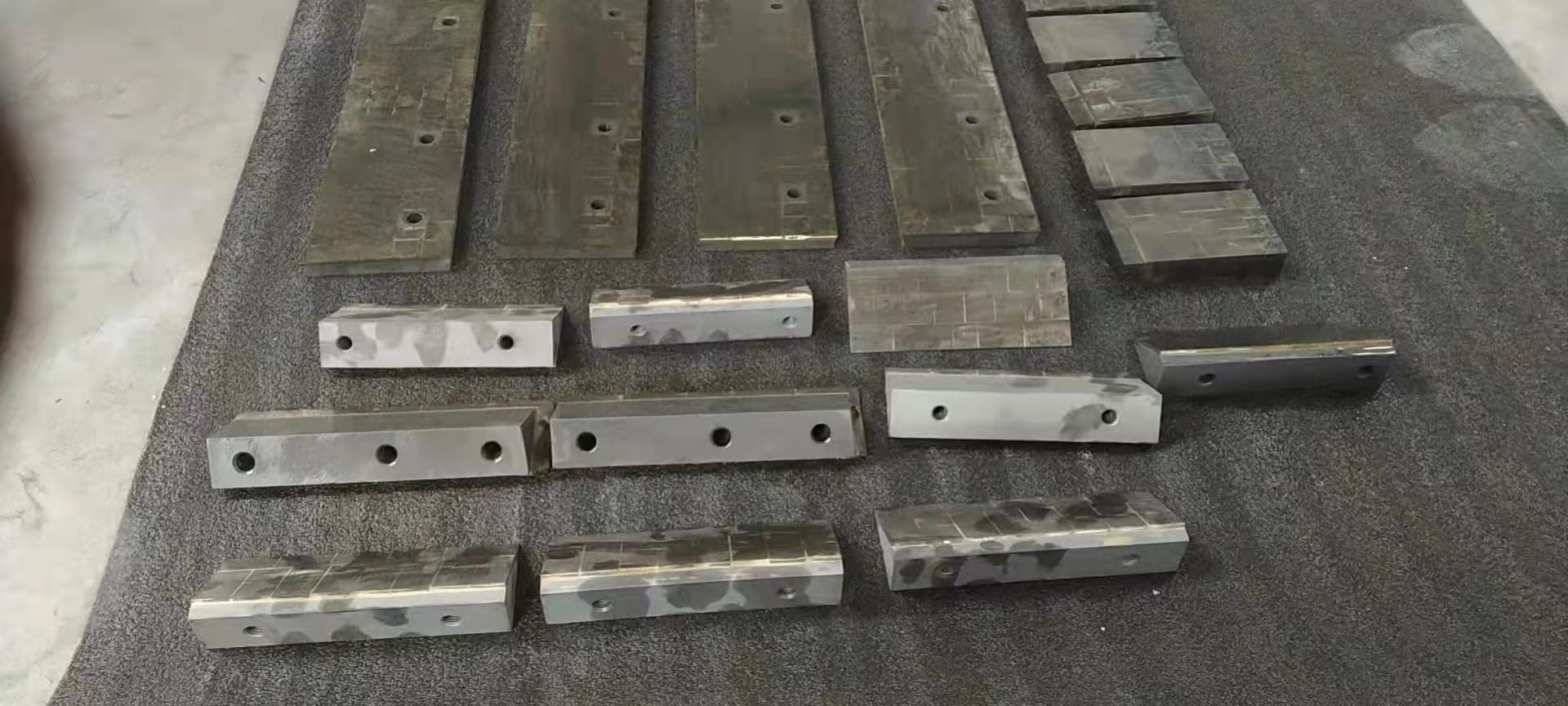
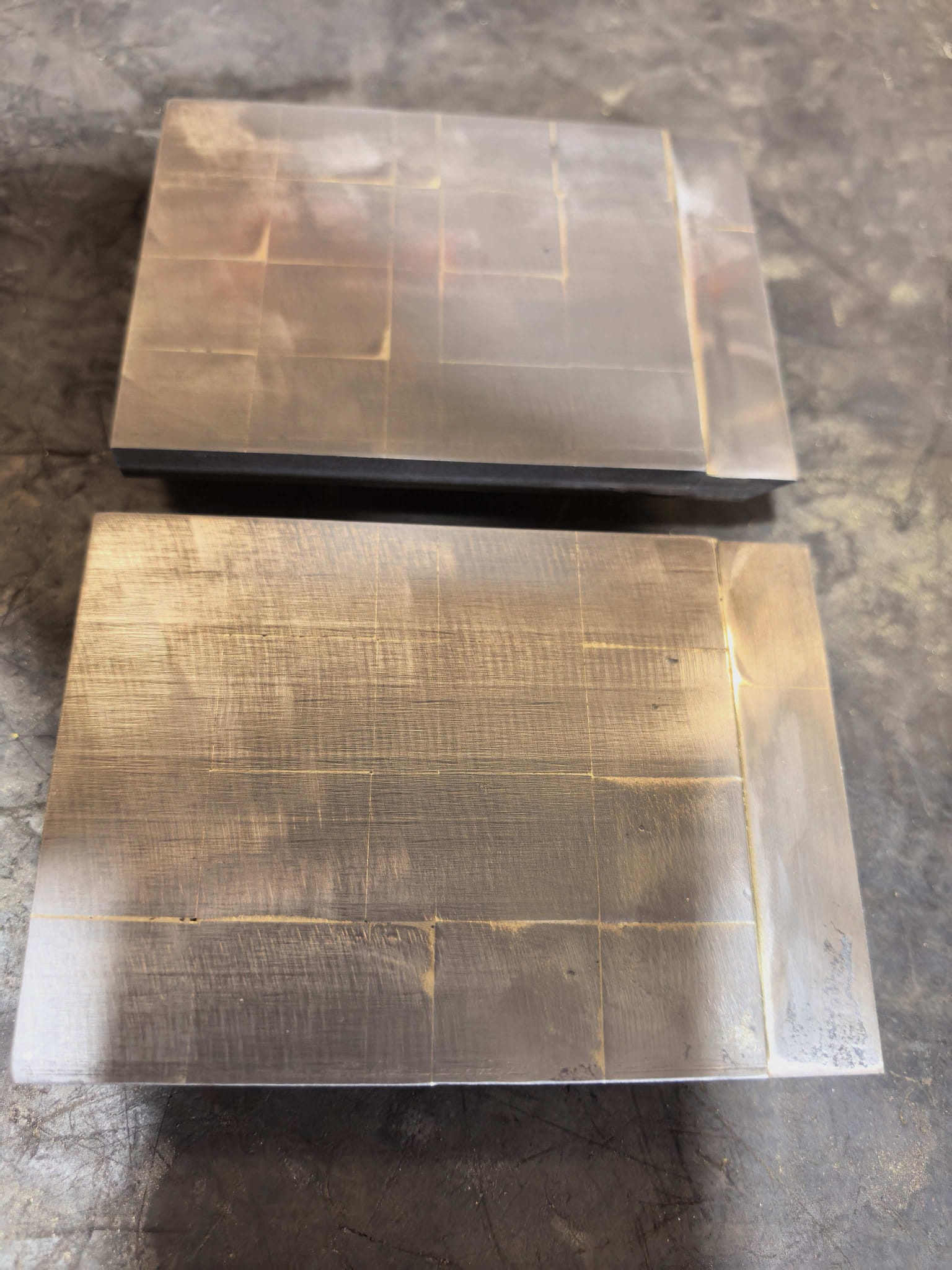
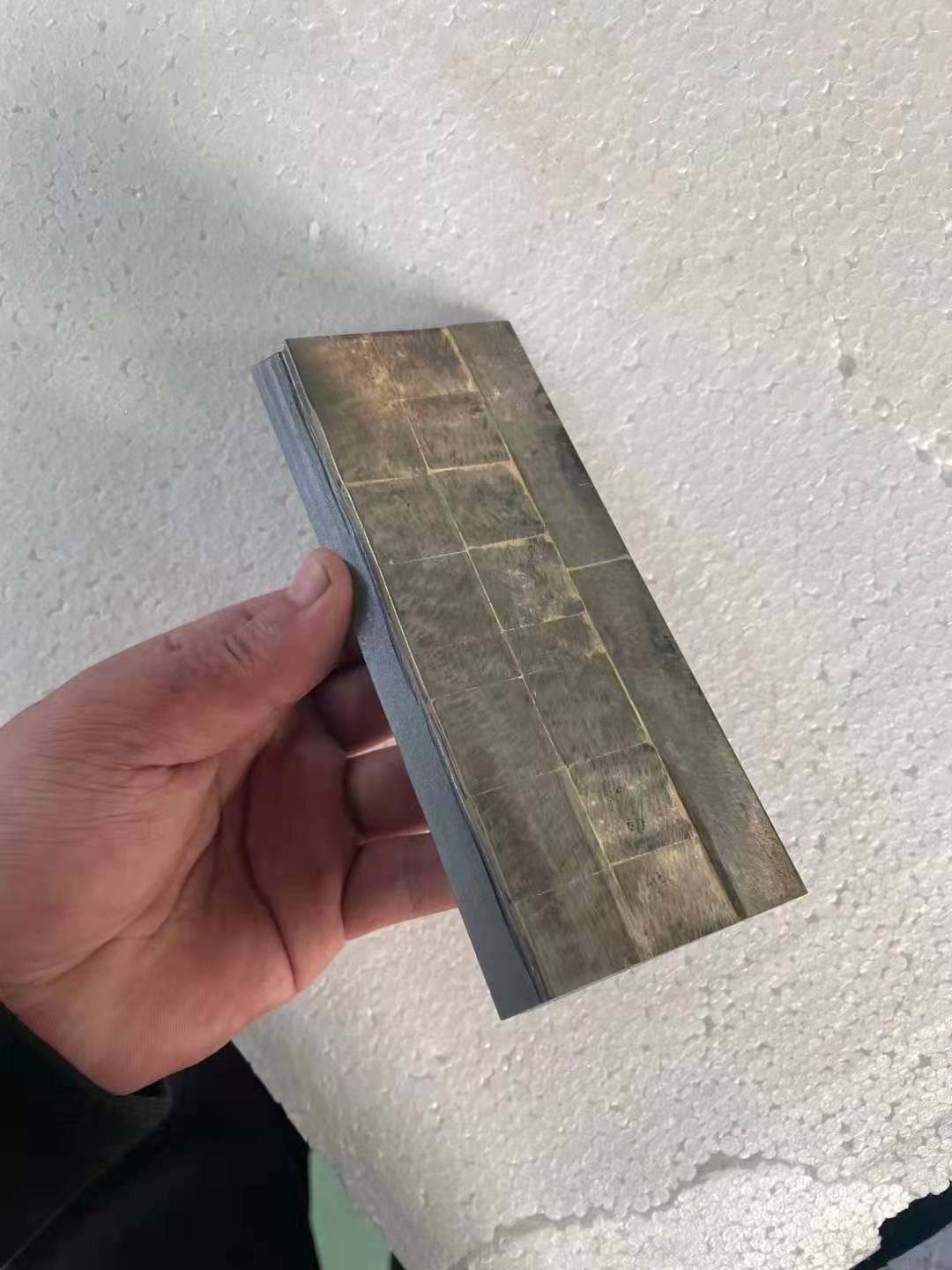
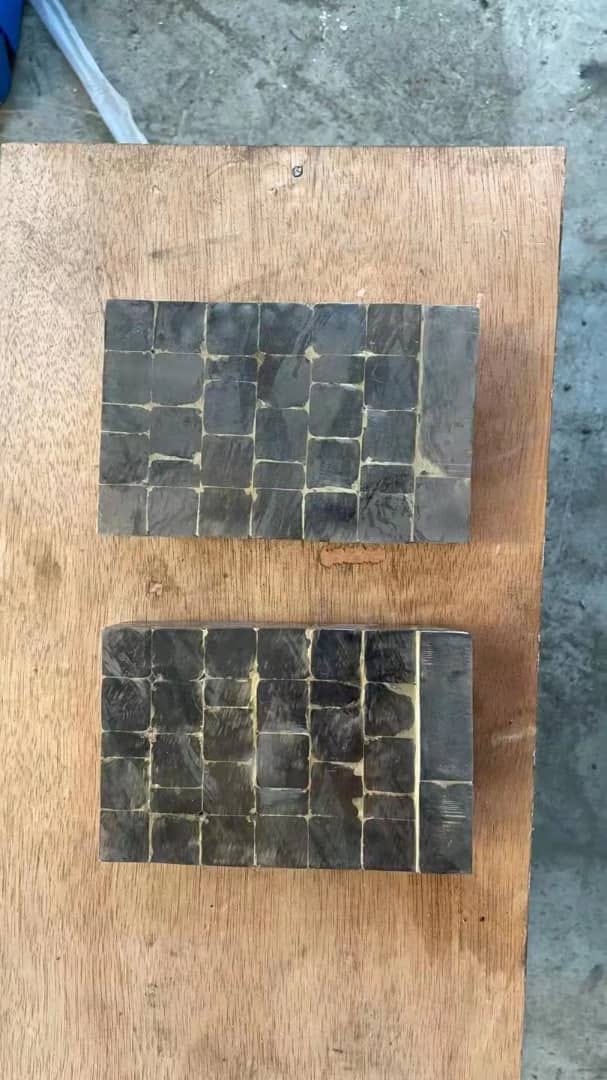
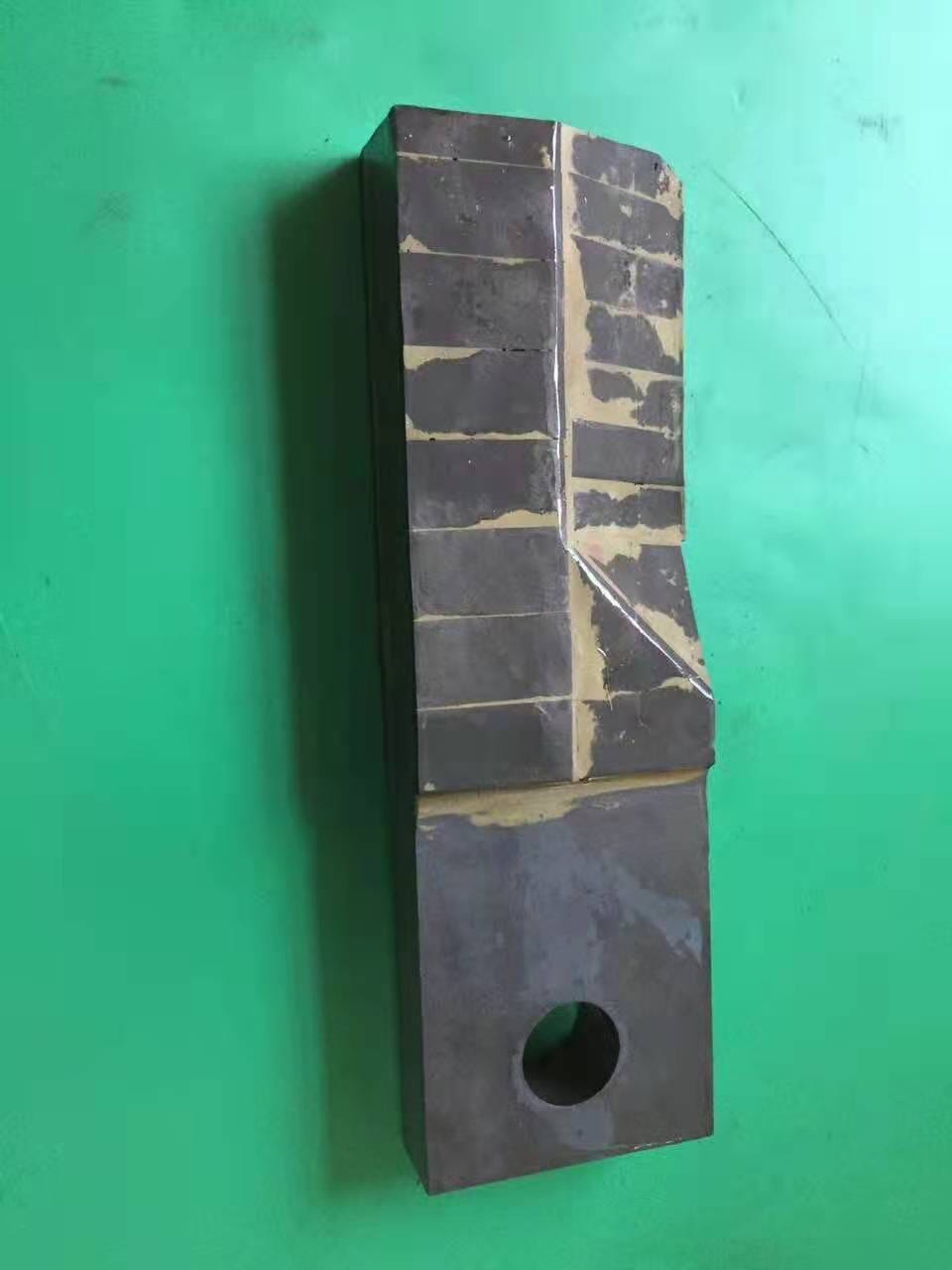
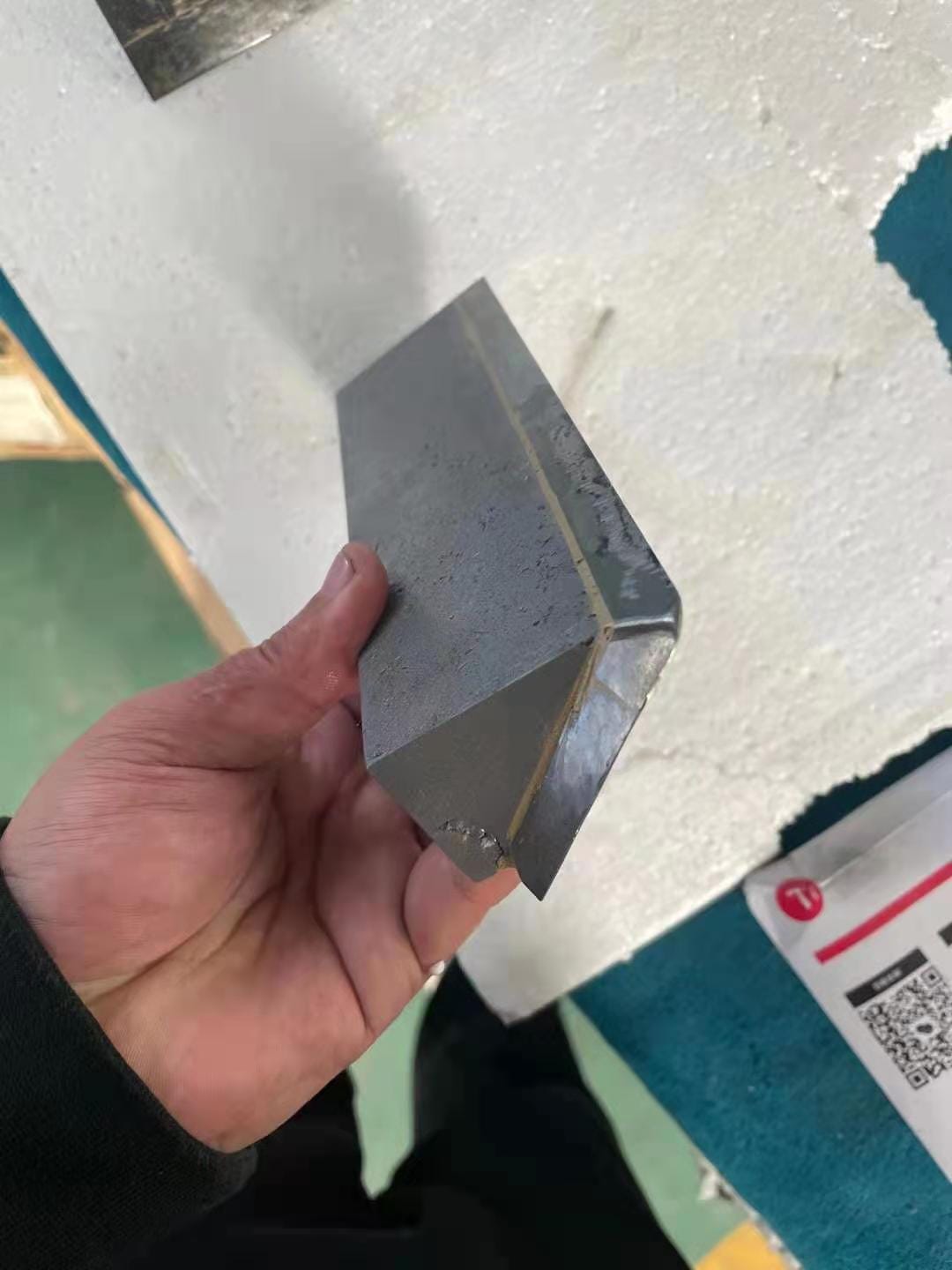
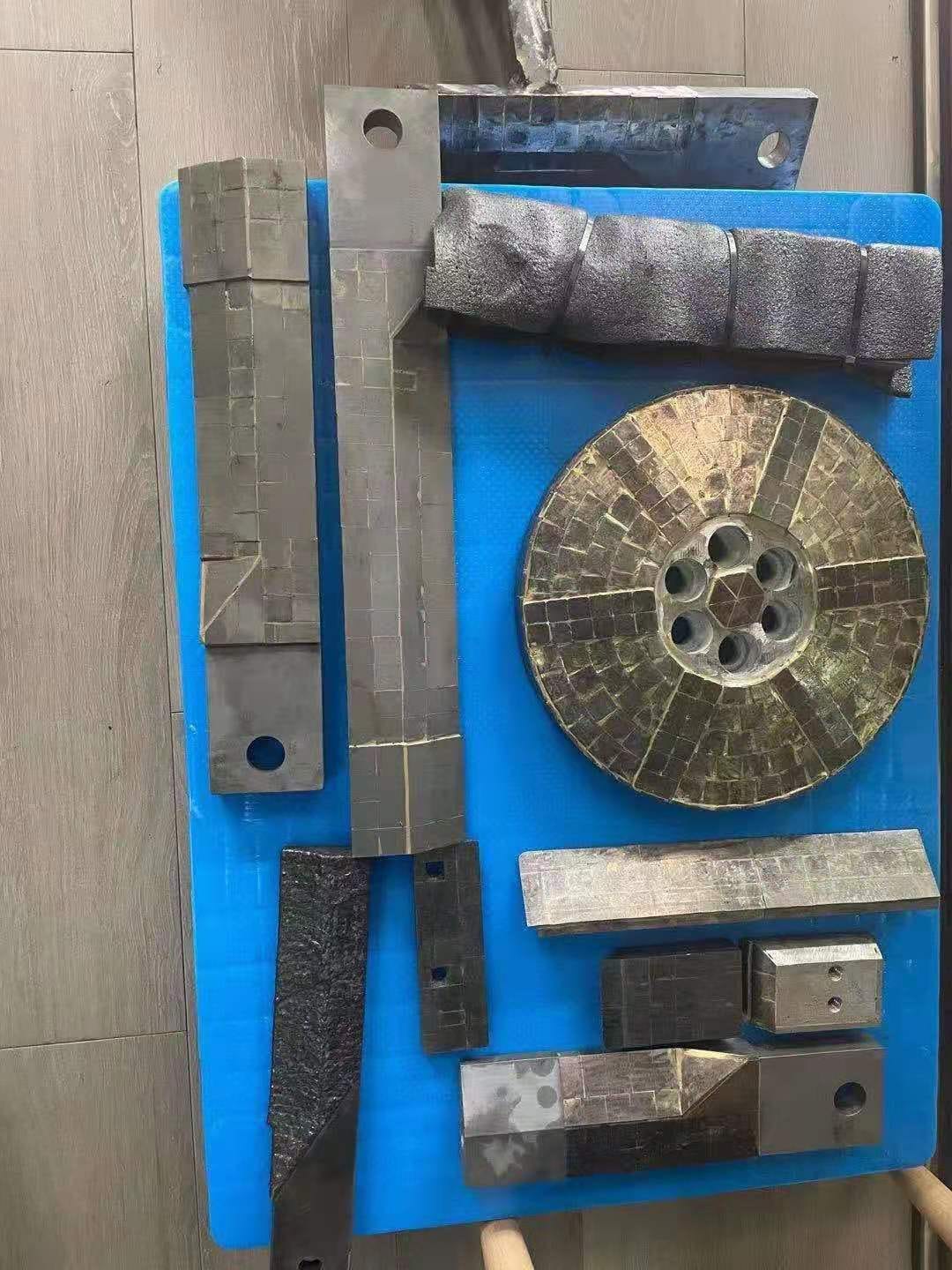
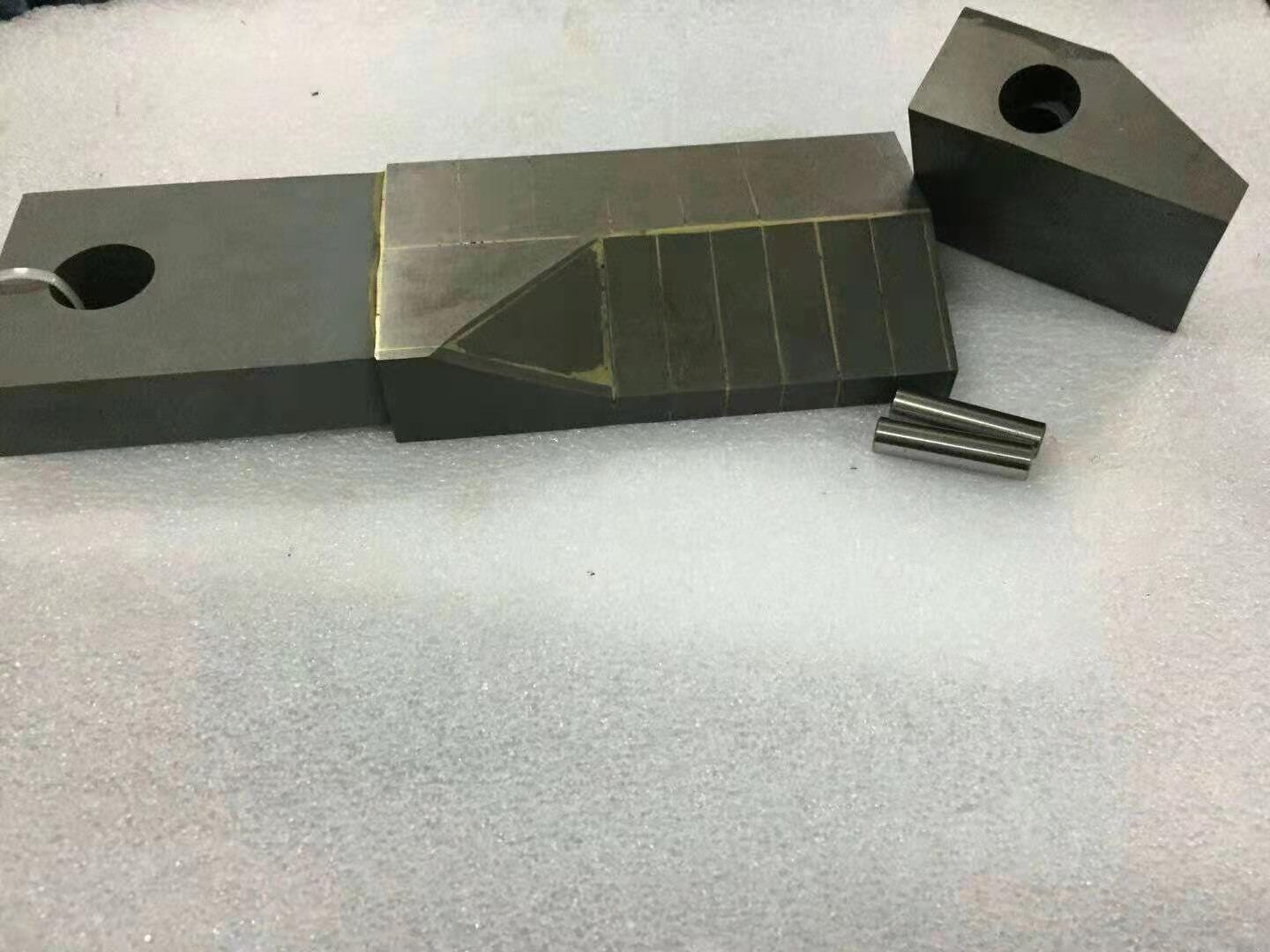
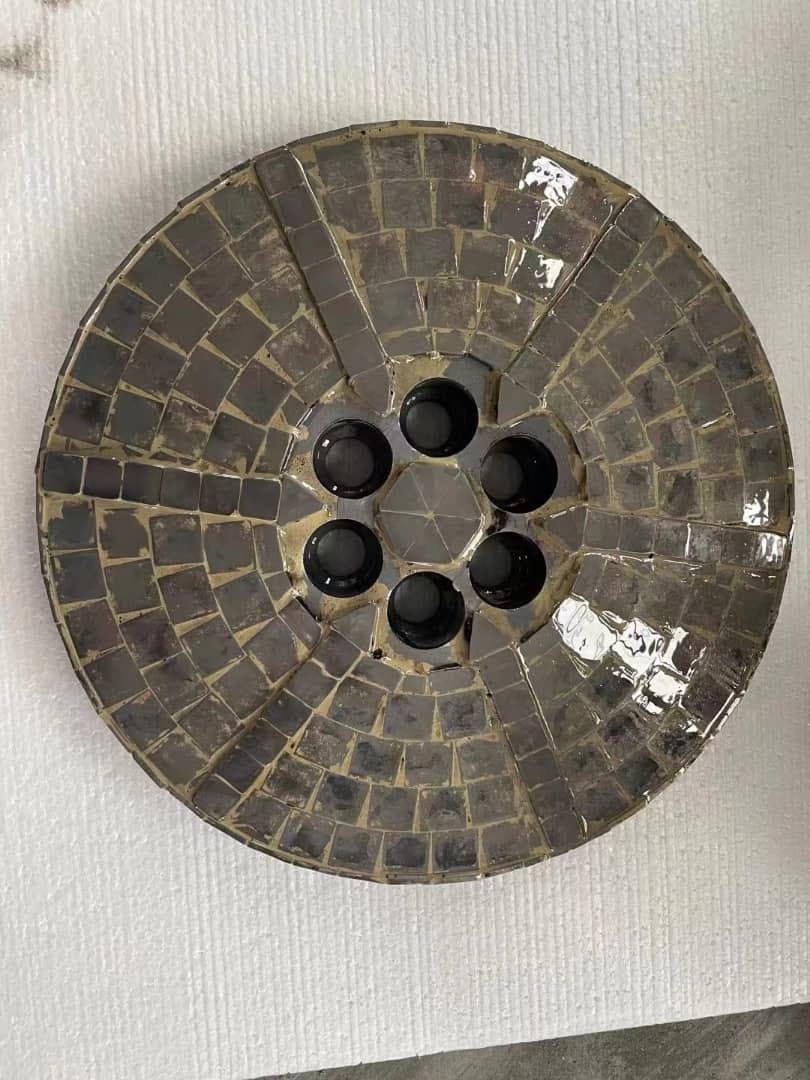
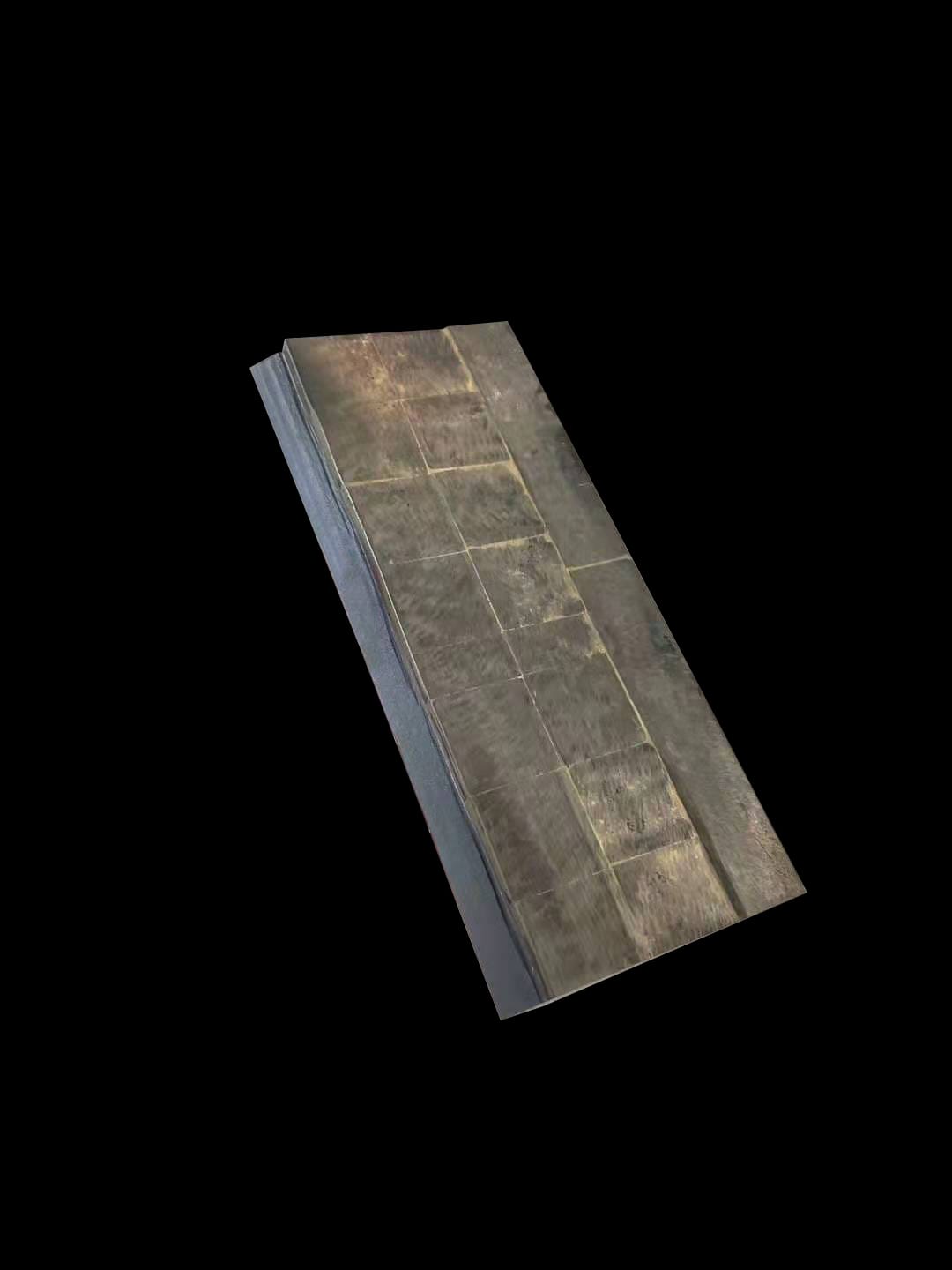
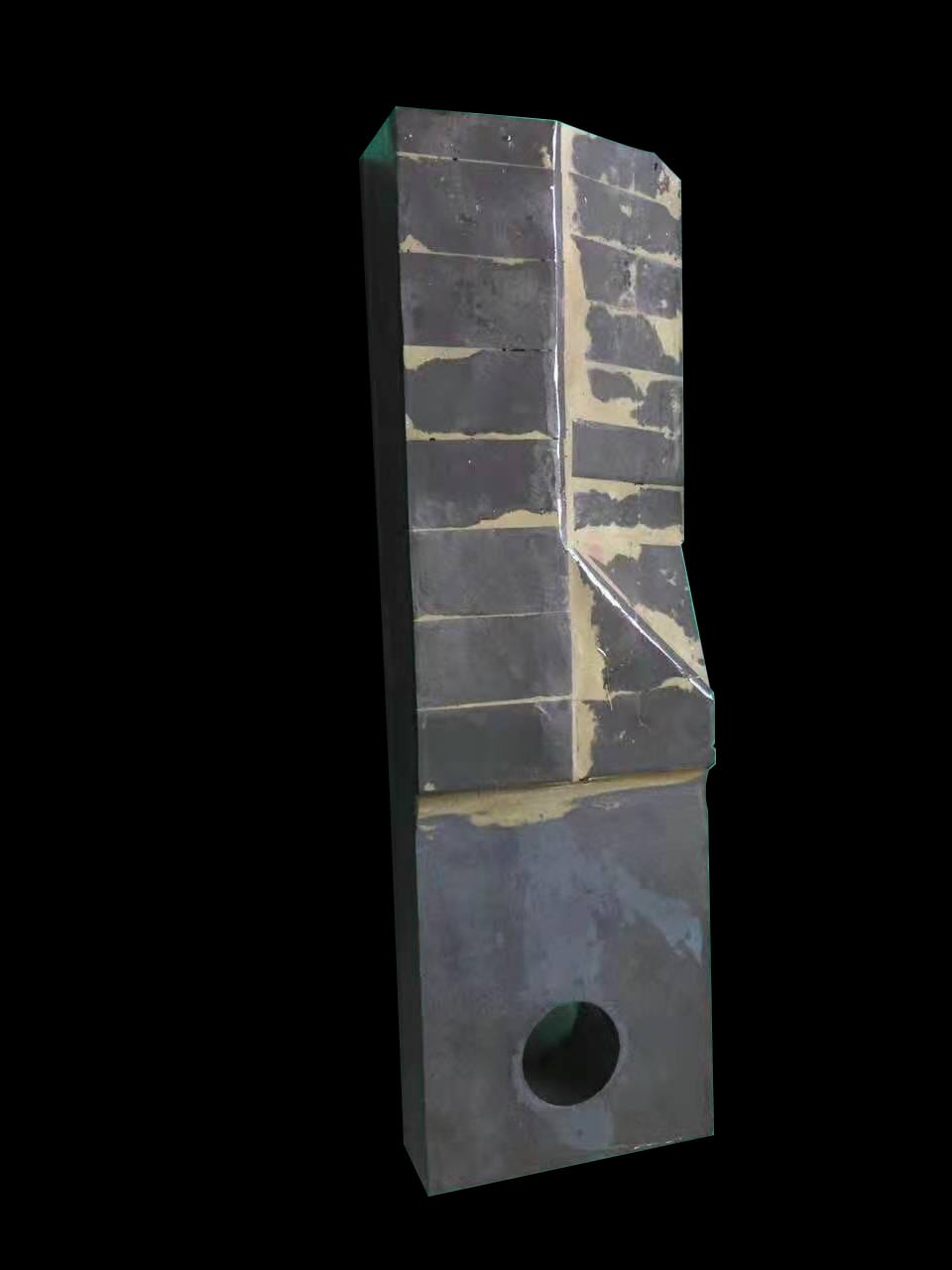
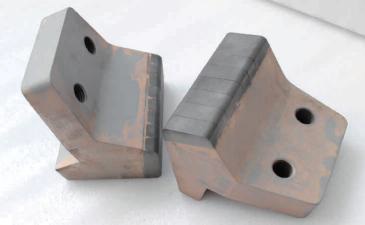
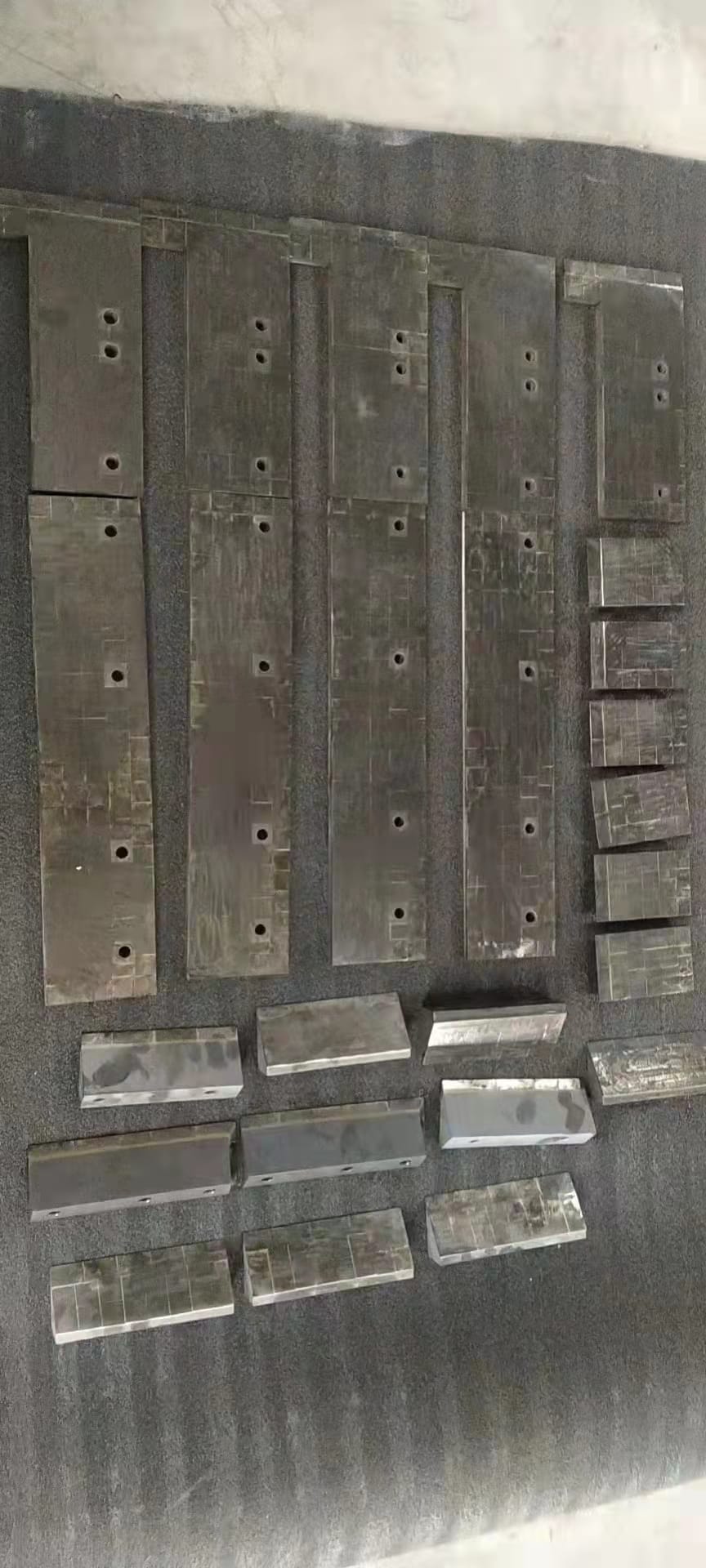
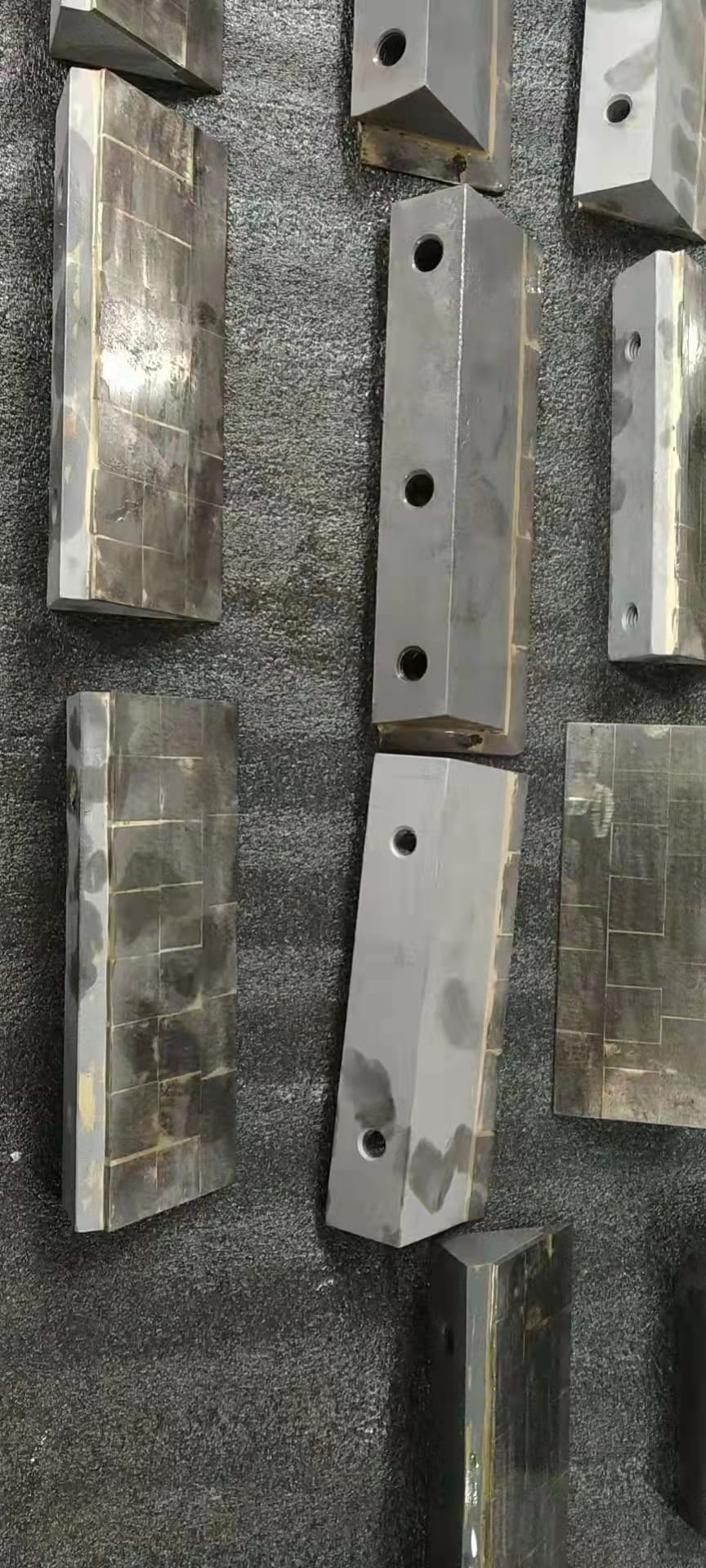
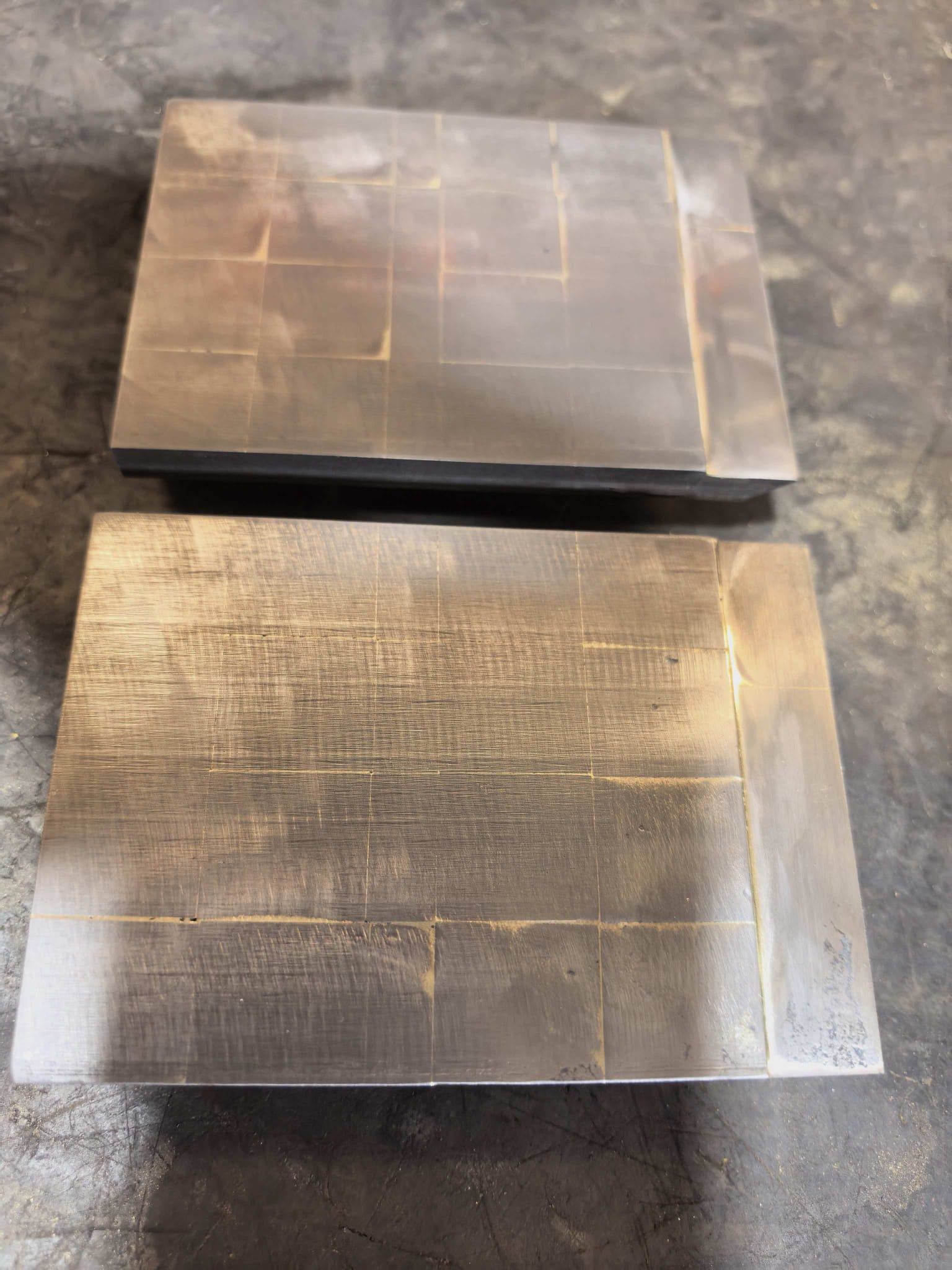
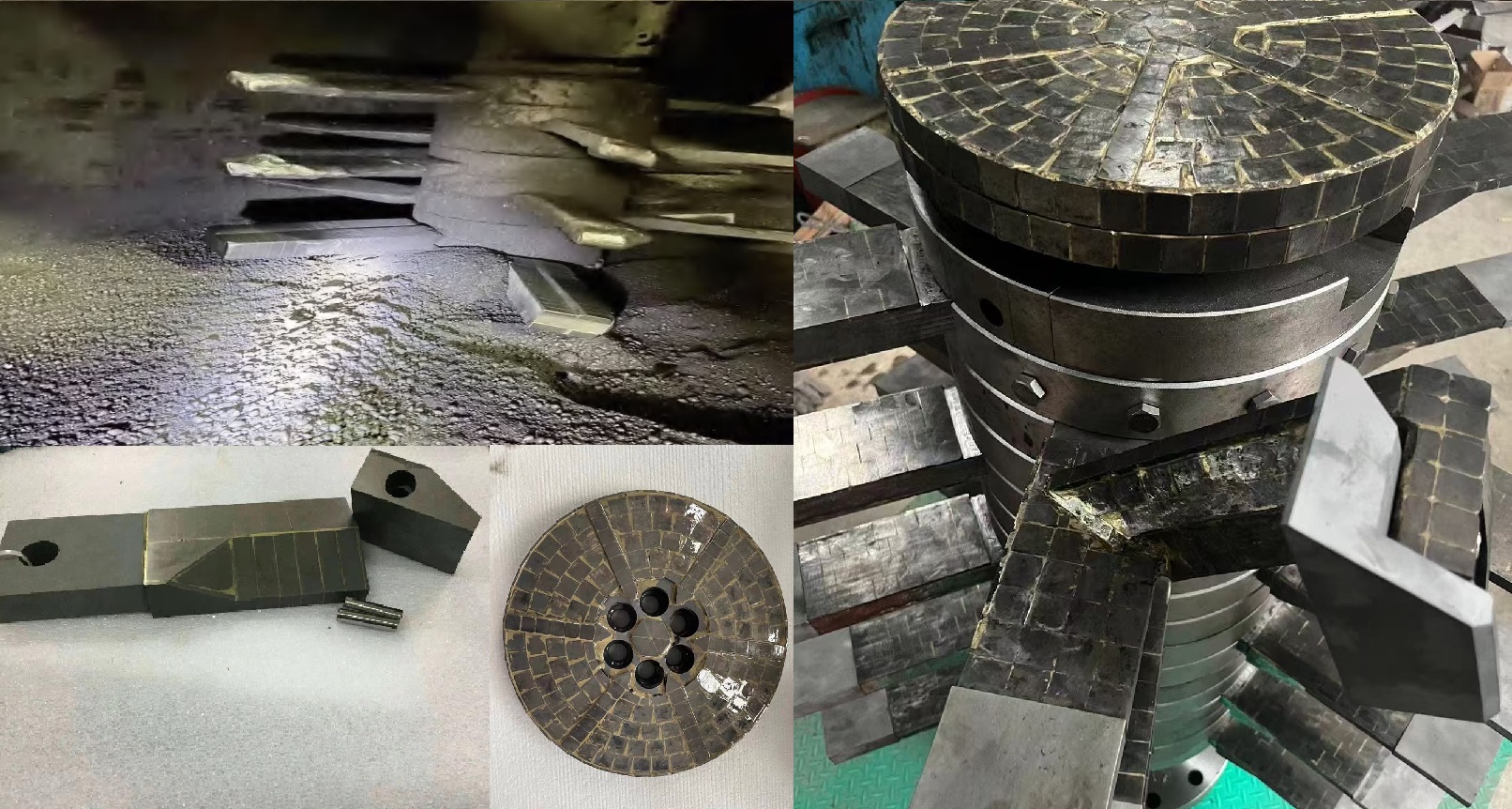
Tungsten carbide blocks, tiles or inserts are strategically positioned on critical wear areas and securely bonded to the steel substrate through a controlled vacuum brazing process. The result is a composite wear component that combines high wear resistance, reliable carbide-to-steel bonding and structural toughness.
Why Vacuum Brazed Tungsten Carbide?
Highly abrasive materials can cause rapid wear of conventional steel components. An appropriately selected carbide grade can provide a wear-resistant working surface, while the steel substrate supports the component’s structure and installation. Suitability depends on the loading, environment and finished-component design.
Vacuum brazing enables tungsten carbide blocks to be securely integrated onto selected wear surfaces, allowing high-performance carbide protection to be concentrated in critical wear zones while retaining the strength and cost efficiency of a steel substrate.
Potential Application Benefits
- Exceptional abrasion and erosion resistance
- High-hardness WC-Co wear surface
- Strong carbide-to-steel bonding
- Excellent combination of hardness and structural toughness
- Localized protection of critical wear zones
- Custom carbide block patterns and layouts
- Multiple carbide grades available
- Wear protection matched to the component’s operating conditions
- Protection focused on recurring wear and replacement areas
- Custom manufacturing from customer drawings
Industries & Applications
Mining & Mineral Processing
HPGR components • Ore handling • Mineral processing
Crushing & Comminution
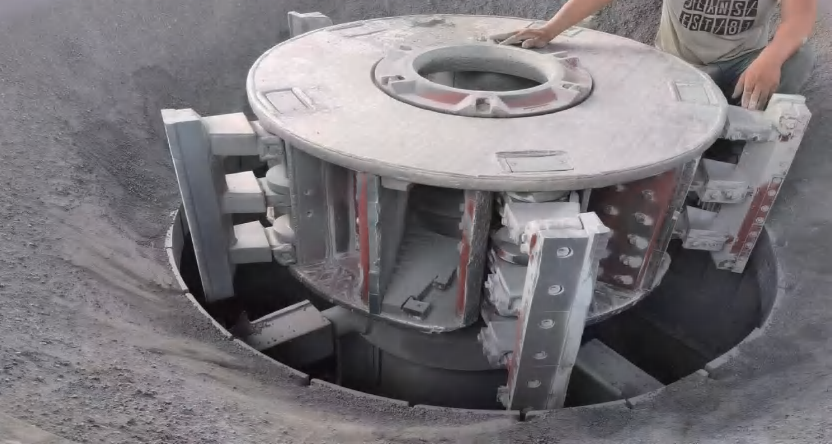
Crusher components • Impact blocks • Feed plates • Wear segments
Bulk Material Handling
Chutes • Hoppers • Feed systems • Conveyor wear components • Deflectors
Mixing & Heavy Processing
Mixer paddles • Mixing blades • Scrapers • Wear plates • Custom components
Application-Specific Carbide Layout
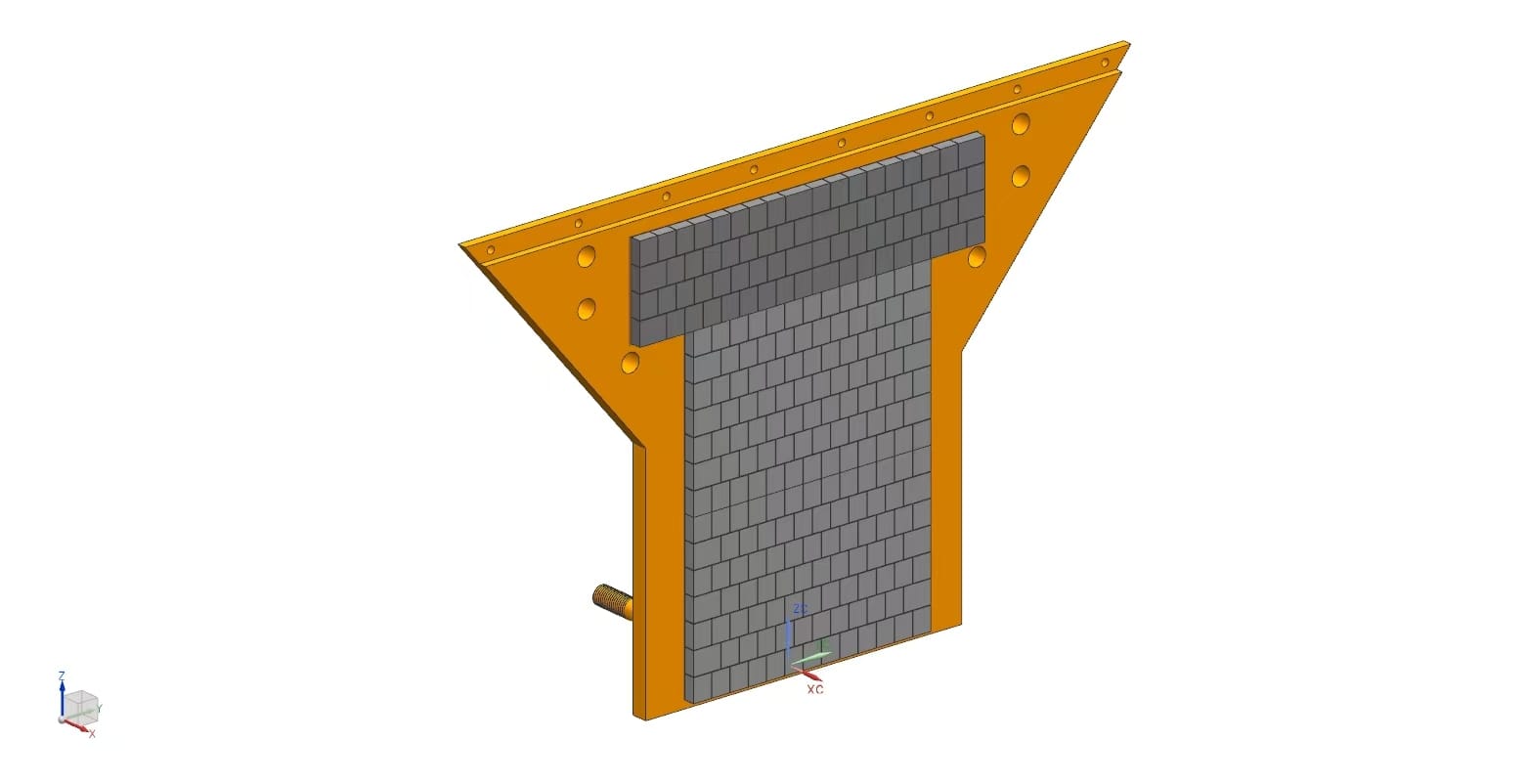
The most effective wear solution is not necessarily achieved by covering the entire component with tungsten carbide. IntegriMat can develop application-specific carbide layouts that concentrate wear protection in the areas where it is most needed.
Depending on the application, carbide blocks can be arranged as:
- Full-area carbide coverage
- Partial wear-zone protection
- Edge protection
- Impact-zone reinforcement
- Directional carbide patterns
- Customized tile or block arrangements
This approach allows the component to maintain the structural advantages of steel while providing tungsten carbide protection at the critical wear surfaces.
Tungsten Carbide Material Selection
The performance of a vacuum brazed wear component depends not only on the brazing process but also on selecting the appropriate cemented tungsten carbide grade. IntegriMat offers a range of WC-Co carbide grades with different combinations of cobalt content, carbide grain size, density, hardness and transverse rupture strength.
Higher-hardness grades generally provide greater resistance to abrasive wear, while grades with higher binder content can provide increased toughness for applications involving greater mechanical loading or impact.
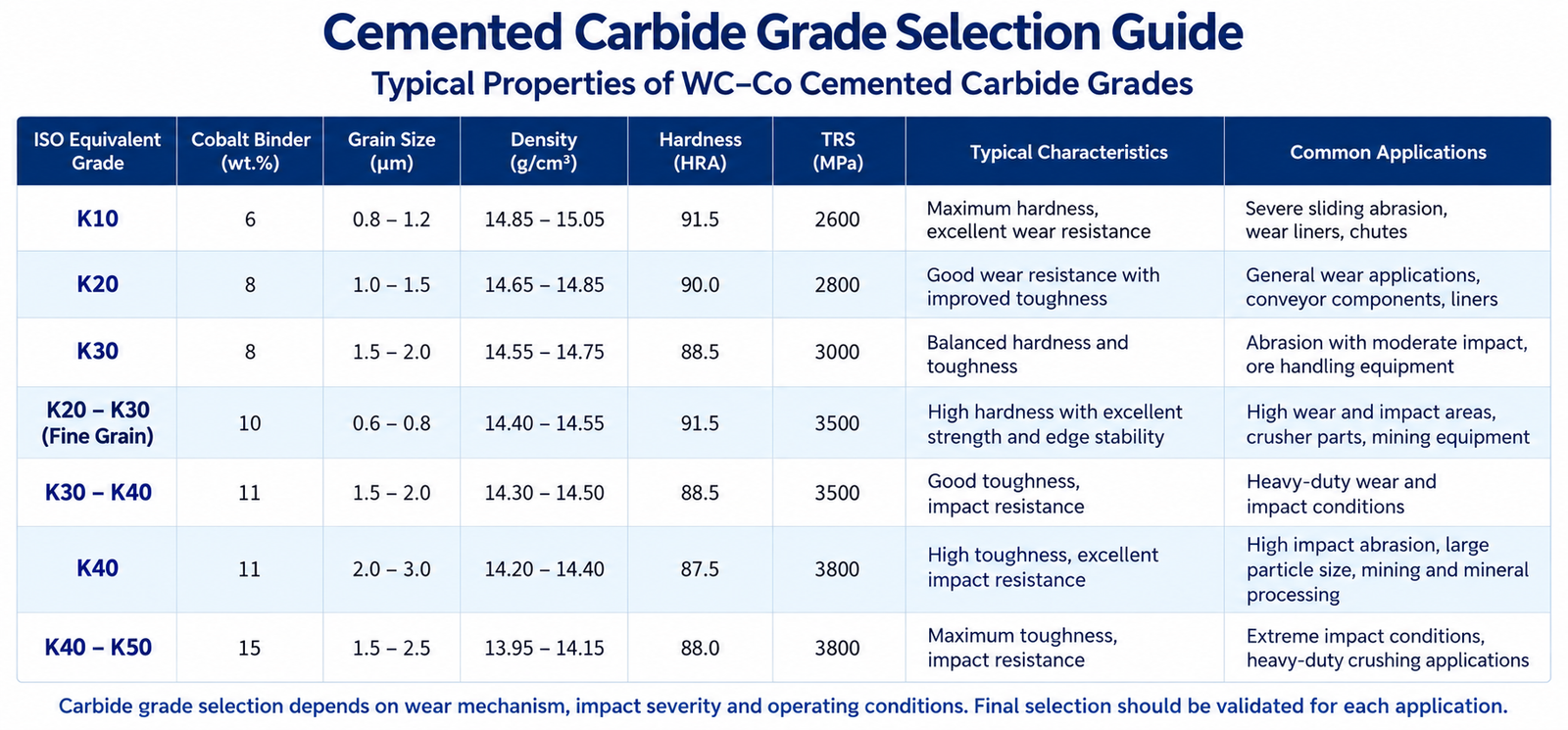
The table above provides available carbide grades together with ISO reference classification, Co/Ni binder content, carbide grain size, density, HRA hardness, transverse rupture strength and recommended application range.
Not Sure Which Grade to Select?
Send the application information below so IntegriMat can review the carbide grade together with the component geometry and protection layout:
- Dominant wear mechanism
- Abrasive material
- Particle size and hardness
- Impact severity
- Mechanical loading
- Operating temperature
- Component geometry
- Base material
- Required service life
Custom Carbide Geometry & Configuration
Vacuum brazed wear components can be engineered according to the geometry and wear pattern of the application. Available configurations can include:
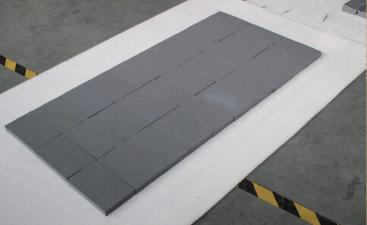
- Square carbide tiles
- Rectangular carbide blocks
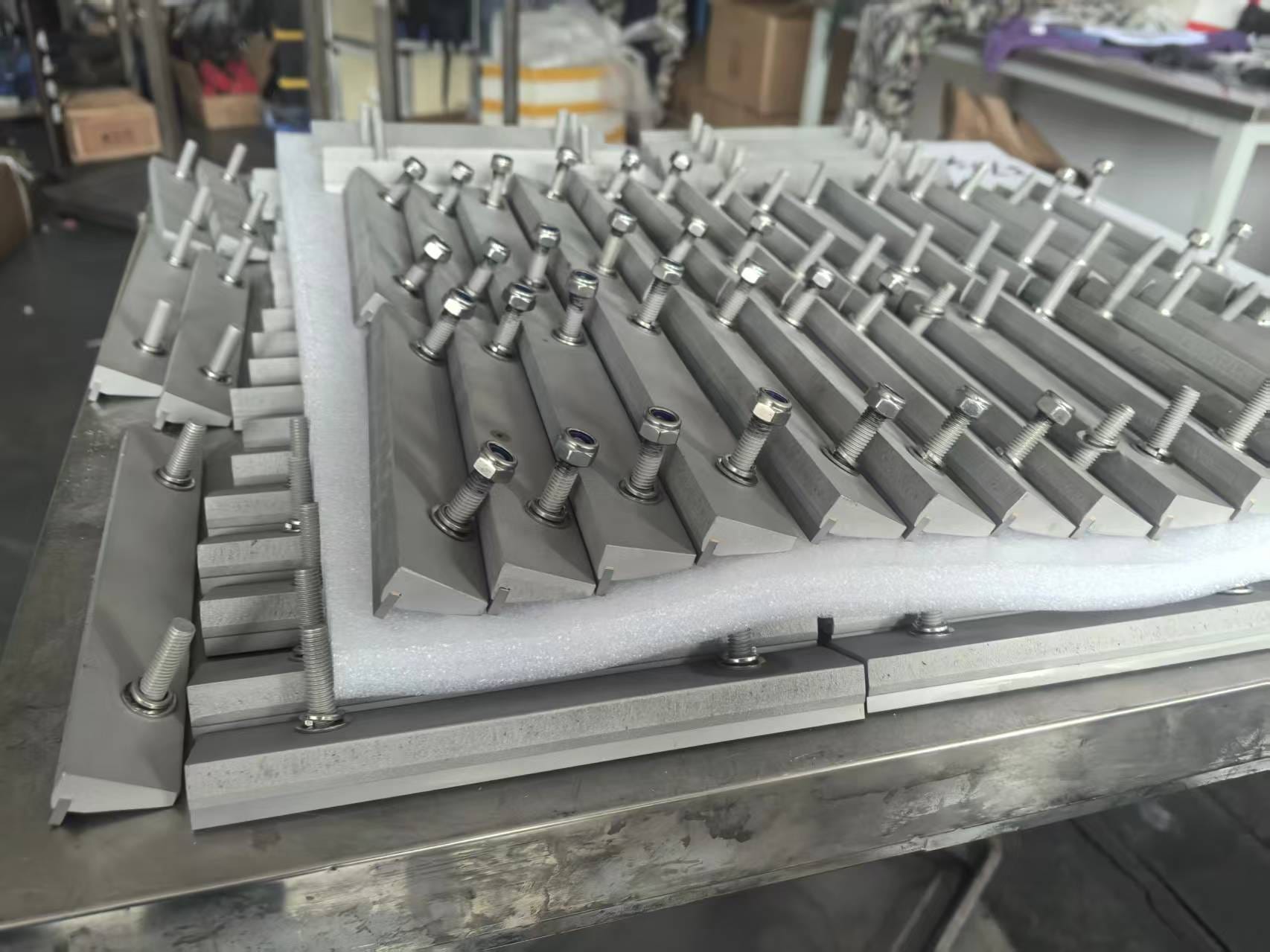
- Carbide strips
- Carbide inserts
- Custom-shaped carbide segments
- Different carbide thicknesses
- Different grain sizes and binder contents
- Customized carbide spacing and coverage
The carbide geometry and arrangement can be optimized according to the direction of material flow and the location of the highest wear.
Choosing carbide grade and layout together
The core vacuum-brazed wear solution uses WC–Co cemented-carbide tiles, blocks or inserts joined to an engineered steel substrate. The broader catalogue also includes nickel-bonded WC–Ni ceramic-mould liners; the material and joining configuration must be confirmed for the specific product. The carbide provides the working wear surface; the steel supports the component’s structure and installation.
Grade and layout should be considered together. Hardness, binder content and grain size influence the balance between wear resistance and toughness. The hardest available grade is not automatically the best choice when the component experiences impact or concentrated mechanical loading.
The protection pattern should follow the direction of material flow, contact conditions and observed wear. Full-area coverage, localized protection, edge protection and directional arrangements may be considered during the engineering review. Tile or block geometry, thickness, spacing and substrate support also form part of that review.
Application guidance for common wear components
For chute, hopper and conveyor liners, provide the flow direction, particle size, drop height and observed sliding-wear or impact zones. For mixer blades, identify the mixer model, processed material, blade geometry and contact conditions. For secondary belt-cleaner blades, provide belt width, cleaner assembly details and the required P-, R-, H-type or custom configuration. For crusher components, identify the equipment, feed material, loading and mounting requirements. These applications appear in the catalogue; suitability and final configuration require an application review.
Application information for an engineering review
Send the component drawing and installation details, including fixing points, dimensional constraints and the surfaces exposed to wear. Describe the conveyed or processed material, particle characteristics, flow direction, impact conditions, operating temperature and any chemical exposure. Photographs of the current component and its wear pattern help connect the proposed carbide layout to the actual application.
Vacuum-brazed wear-solution FAQs
How does vacuum brazing differ from rope hardfacing?
Vacuum brazing joins separate cemented-carbide blocks, tiles or inserts to the steel component. Rope hardfacing deposits a carbide-reinforced metallic layer. They are different constructions and should be selected against the same application requirements.
Is full carbide coverage always preferable?
No. The appropriate coverage depends on the wear pattern, loading and geometry. Localized coverage may be considered where wear is concentrated, while other applications require broader protection.
Will a harder carbide grade always last longer?
No. Abrasive wear, impact, binder characteristics, grain size and component support all affect performance. Grade selection should balance the demands of the particular application.
Can a component be supplied from my drawing?
IntegriMat supports finished-component supply based on customer drawings and application requirements. Manufacturing, dimensions, carbide layout and quantity must be reviewed before the specification is finalized.
How is a carbide-on-steel component different from a separate carbide wear part?
A vacuum-brazed component combines a steel substrate with carbide segments in selected wear zones. A tungsten carbide wear part, such as a sleeve or nozzle, is supplied as a separate component to its specified geometry and installation requirements.
From Drawing to Finished Wear Component
IntegriMat can support your project from the initial component requirement through delivery of the finished wear-resistant component.
1. Drawing or Component Information
Send us your drawing, dimensions, photographs, existing component or worn-part information.
2. Application & Wear Review
We evaluate the component geometry, operating conditions and dominant wear mechanisms.
3. Material & Carbide Grade Selection
The steel substrate, WC-Co grade, carbide geometry and wear-protection layout are selected according to the application requirements.
4. Component Manufacturing
The base component is manufactured according to the approved drawing and dimensional requirements.
5. Carbide Placement & Vacuum Brazing
Tungsten carbide blocks, tiles or inserts are positioned in the designated wear zones and bonded to the component using a controlled vacuum brazing process.
6. Quality Review
The finished component is reviewed for dimensional requirements, carbide placement and overall manufacturing quality.
7. Finished Wear Component
The completed tungsten carbide protected component is supplied ready for installation or further integration into your equipment.